

[Local Songs] Recommended tracks packed with Japan’s nationwide classics and hometown pride

Across Japan, there are many “local songs” created around themes like regional climate and traditions, long-standing customs, hometown pride, and specialty foods.
However, few people are likely familiar with songs from places far from their own living area or hometown.
Some might even have spent years in a region without knowing its local songs at all.
In this article, we’ll introduce some highly impactful, must-hear local songs from across Japan that we hope many of you will get to know.
If it’s a place you’ve visited, try listening while picturing the local scenery.
If it’s somewhere you’ve never been, let the song help you imagine the land and the lives of the people who live there.
- A roundup of regional enka songs: classic hits that feature places from all across Japan in their lyrics.
- [Song of Osaka] A selection of passionate, warm-hearted Osaka tunes
- [2026] Masterpieces that sing of Hokkaido: the heart of a beloved homeland passed down in song
- Introducing famous songs about Shizuoka: Local anthems and popular tracks [2026]
- [Songs of Saitama] A Wealth of Humor-Filled Classics! Local Anthems Packed with Love for Saitama
- Songs related to Mie Prefecture. Beloved local tunes of Mie that continue to be cherished.
- [Hometown Songs] A curated selection of popular Japanese tracks that fill your heart with nostalgia
- [Kyoto Songs] Masterpieces that sing about Kyoto — songs themed on the ancient capital. The enduring heart of our hometown passed down in song.
- A famous song about Fukuoka. The heart of the hometown passed down through song.
- A classic song that celebrates Niigata. The enduring spirit of our hometown passed down through song.
- Songs about Tokyo: A collection of popular J‑Pop classics [2026]
- Masterpieces that sing of love. Recommended popular songs.
- [Songs of Kagoshima] The heart of our hometown carried on in song | A curated selection of classic tracks that embody Kagoshima
[Local Songs] Must-Listen Tracks Filled with Hometown Pride from Across Japan (91–100)
Muro-ji TempleMakimura Mieko

Mieko Makimura’s song “Murō-ji” is a piece set at a secluded temple in the ancient capital of Nara, powerfully voicing the anguish of a love with no way out.
Murō-ji, long known as the “Women’s Kōya” for welcoming women’s prayers since olden times.
Exhausted by a hopeless love, the woman seeks salvation and clings to the Buddha—her heartrending emotions are deeply conveyed through Makimura’s poignantly wistful vocals.
The song evokes the temple’s serene scenery—vermilion bridges and a five-story pagoda spring to mind.
Many listeners may find their hearts tighten at the sight of the protagonist burdened with feelings that have nowhere to go.
It is a compelling masterpiece where the solemn aura of an age-old temple blends with inescapable human passion.
Night in AtamiHakozaki Shinichiro

This was Shinichiro Hakozaki’s debut single and a song that can be called a milestone of mood kayō.
As the sweet tone of the saxophone intro flows in, the night view of Atami—its steam and neon lights shimmering mysteriously—unfolds before your eyes.
A fleeting love encountered on a journey, only once and never again.
He sings those aching memories with rich emotion.
Hakozaki’s sweet, heartrending falsetto—often described as almost feminine—soaks into the chest and grips the listener’s heart.
The song caught fire through snack bars and cable broadcasts and came to be loved by many.
Perhaps no other piece captures the unique melancholy and romance of a Showa-era hot-spring town so perfectly.
[Local/Regional Songs] Must-listen tracks brimming with hometown pride from across Japan (101–110)
Lament of the Hot Spring TownAraki Ichiro

This song, performed by Ichiro Araki—who showcases his multifaceted talents as a singer and actor—is set in Atami City, Shizuoka Prefecture.
It depicts a heartbroken journey, with the protagonist visiting the hot-spring town filled with memories, unable to forget a former lover.
Araki’s sweet yet wistful vocals evoke flickering memories and a tender melancholy, like visions shimmering beyond the steam.
The sorrowful melody—where enka and kayōkyoku blend—overlaps with the protagonist’s helpless state of mind, tightening the chest.
It’s a masterpiece that conjures the emotionally rich nightscape of Atami, where the loneliness of traveling alone sinks deep into the heart.
Song of the Old Lady of GotenbaFujimoto Fusako

With lyrics by Shizuka Ijuin under the pen name Ayumu Date and music by Akihiro Komori, this song became widely beloved by Shizuoka Prefecture residents as a campaign song for Television Shizuoka.
Set to Fusako Fujimoto’s bright, buoyant vocals, the uniquely structured lyrics string together place names from across Shizuoka, leaving a strong impression.
It feels as if you’re traveling throughout the prefecture along with the song.
Since it even mentions municipalities and districts that no longer exist, many listeners may find their memories of that time vividly revived.
Fujimoto’s charming high tones paint a picture of the good old Shizuoka, making this a treasure-like local song.
Rain in IzuKadokawa Hiroshi

Hiroshi Kadokawa’s deep, nostalgic voice melds with the scenery of Izu in this classic rich with the feel of travel.
Released in 1984, the song is an “enka-pop” blend that fuses the emotion of enka with the lightness of pop.
Its gentle melody evokes the atmosphere of a hot spring town glistening in the rain.
The lyrics overlay unwavering devotion to a loved one with the image of unrelenting rain.
You can feel the protagonist’s single-minded yearning, as if searching beyond the steam for the beloved’s lingering silhouette.
The quiet sound of the rain seems almost like subdued sobbing, stirring a poignant ache in the listener’s heart.
Sataro of IzuTakada Kōkichi
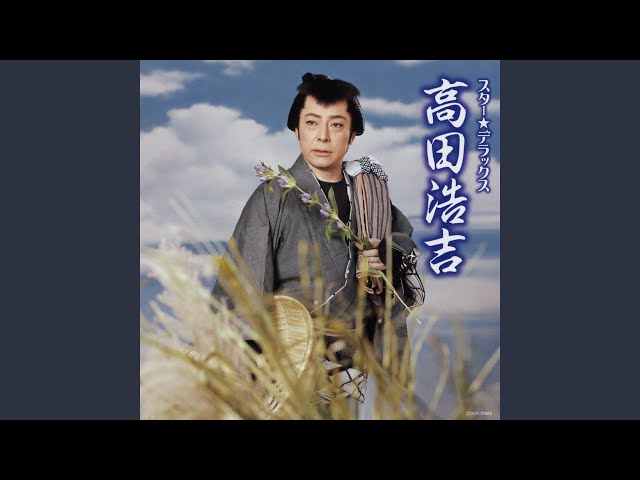
One of Hiroyoshi Takada’s signature songs that gloriously marked his postwar comeback, “Sataro of Izu.” Set on the spring-hazed roads of Izu, this classic matabi-kayō (itinerant traveler ballad) portrays a wanderer returning to his hometown.
After crossing the Amagi mountains, which emerge faintly like ink wash painting, the protagonist finally reaches familiar soil.
Yet he wavers—should he meet old acquaintances, or slip away as he is? That inner conflict intertwines exquisitely with Takada’s stylish, resonant vocals and the wistful tones of the shamisen, seeping deeply into the listener’s heart.
By the time the song ends, you’re enveloped in a bittersweet, abundant feeling, as though you had watched a full period drama on film.
Hell EstheticianKatte ni Kankō Kyōkai

This is a playful local song about Oita Prefecture by the duo Miura Jun and Hazama Hajime, known as the Self-Styled Tourism Association.
The striking title, “Hell’s Esthetician,” is said to be inspired by Beppu Onsen’s famous ‘Hell Tour.’ The lyrics parade the names of the various ‘hells,’ delivered in an irresistibly upbeat, festival-like tune.
In between, it also slips in local specialties like Bungo beef and dango-jiru, which might surprise some listeners with the sheer density of information.
Give it a listen as a companion for your trip to Oita, and your journey might become even more enjoyable.