

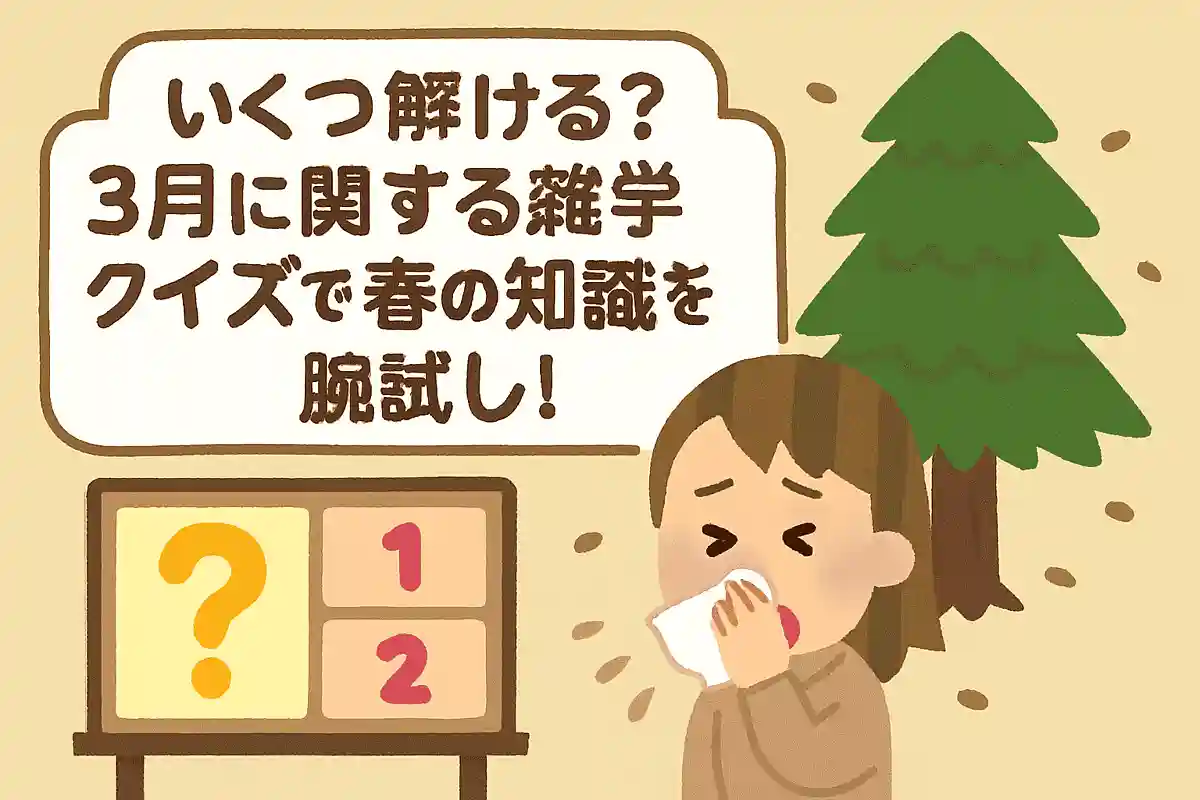
How many can you solve? Test your spring knowledge with a trivia quiz about March!


When it comes to March, it’s packed with all sorts of occasions and events like Hinamatsuri (Girls’ Day), White Day, and graduation ceremonies, isn’t it?That said, there are probably quite a few things about them that we think we know but actually don’t.How much do you know about the hina dolls displayed for Hinamatsuri, the country where White Day originated, and customs surrounding graduation ceremonies?In this article, we’ll present plenty of trivia about March in a quiz format.We cover a wide range of seasonal trivia that will make you exclaim, “So that’s how it is!”—you’re sure to discover something new.Be sure to give it a try with your family and friends!
- Recommended in March! A collection of surprising, little-known trivia that elementary school students will want to share
- Spring Event Quiz for Seniors to Enjoy in March
- [Trivia] Challenge! Spring General Knowledge Quiz
- [3-Choice Quiz] Cherry Blossom Trivia You'll Want to Share with Someone
- [For Seniors] Fun and Lively! Recommended Quiz Questions
- February trivia quiz: three-choice questions on seasonal fun facts like Setsubun and Valentine’s Day
- [Challenging and Fun!] Quizzes & Riddles for Adults
- Aim for a perfect score! A three-choice common knowledge quiz that deepens your understanding
- [For General Audience] Little-Known Trivia and Fun Facts About Hay Fever
- [For Elementary School Students] Trivia About April
- February trivia quizzes that elementary school kids will love. Get excited with fun facts about commemorative days.
- Shall we delve into the season of new beginnings? April Trivia Quiz!
- [For Kids] December Trivia Quiz & Fun Facts! Learn about seasonal events and traditions!
How many can you solve? Test your spring knowledge with a trivia quiz about March! (11–20)
Which tree’s pollen reaches its peak in March?
- Japanese cedar (sugi)
- Hinoki (Japanese cypress)
- ginkgo
See the answer
Japanese cedar (sugi)
In Japan, a large amount of cedar pollen is dispersed in early spring, and it is a leading cause of hay fever. In particular, March is the peak of pollen dispersion, so if you suffer from hay fever, please take thorough precautions.

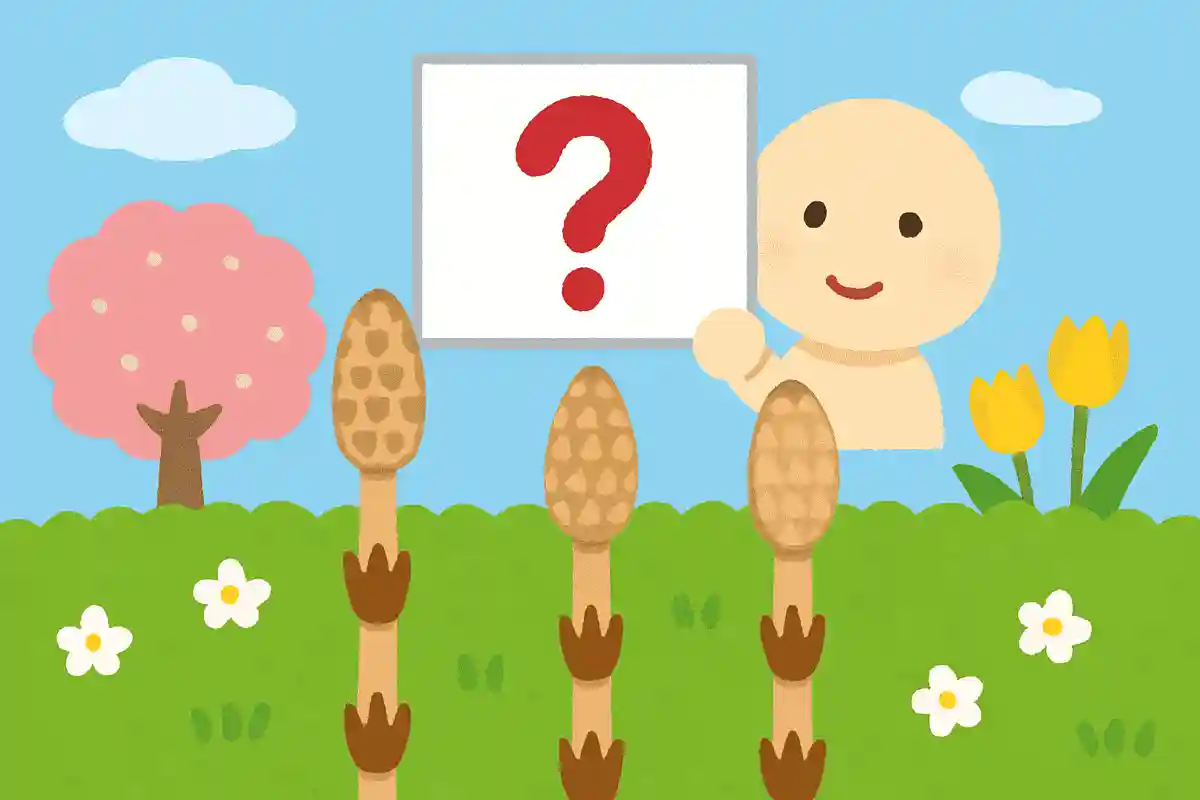
What is the flower language (meaning) of horsetail that appears in March?
- calm; friendly; harmonious
- innocence
- ambition
See the answer
ambition
The flower language of horsetail (tsukushi) is “ambition.” Though it looks modest, the way it senses the warm spring sunshine and pushes powerfully up through the ground to grow has led to a phrase that symbolizes the spirit of elevating oneself.
What is March called in the old lunar calendar?
- Kisaragi (the second month of the traditional Japanese calendar)
- Yayoi
- Uzuki (the traditional Japanese name for the fourth month of the lunar calendar; often corresponds roughly to April)
See the answer
Yayoi
In the old lunar calendar, March is called “Yayoi.” This name is said to describe grasses and trees sprouting and growing vibrantly, symbolizing the arrival of spring when new life flourishes. Also, Kisaragi corresponds to the second month (February) in the old calendar, and Uzuki corresponds to the fourth month (April).
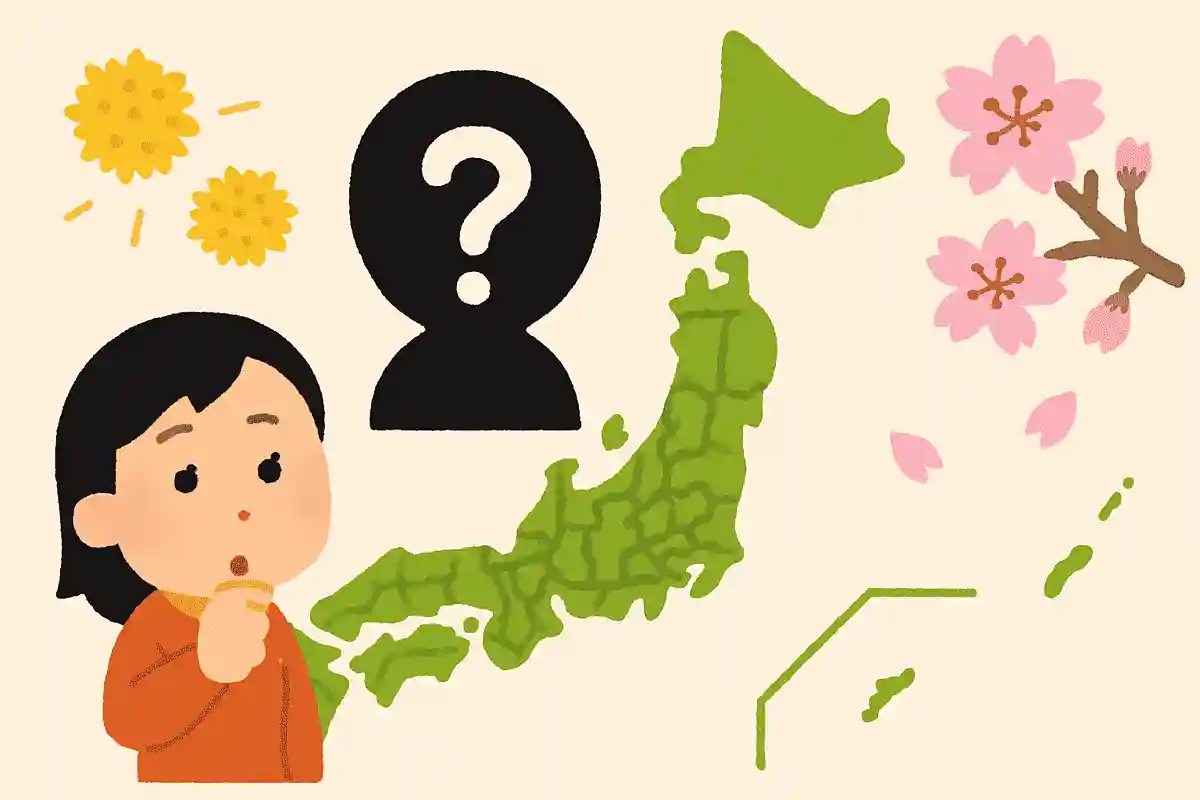
Which other prefecture, besides Okinawa, is said to have low levels of cedar pollen dispersal?
- Hokkaido
- Tokyo Metropolis
- Kagawa Prefecture
See the answer
Hokkaido
Okinawa Prefecture and Hokkaido are said to have little cedar pollen dispersion. Because there are fewer cedar trees in Okinawa and Hokkaido, pollen dispersion is considered to be low.
What is the event in Japan that is known as the Peach Festival on March 3?
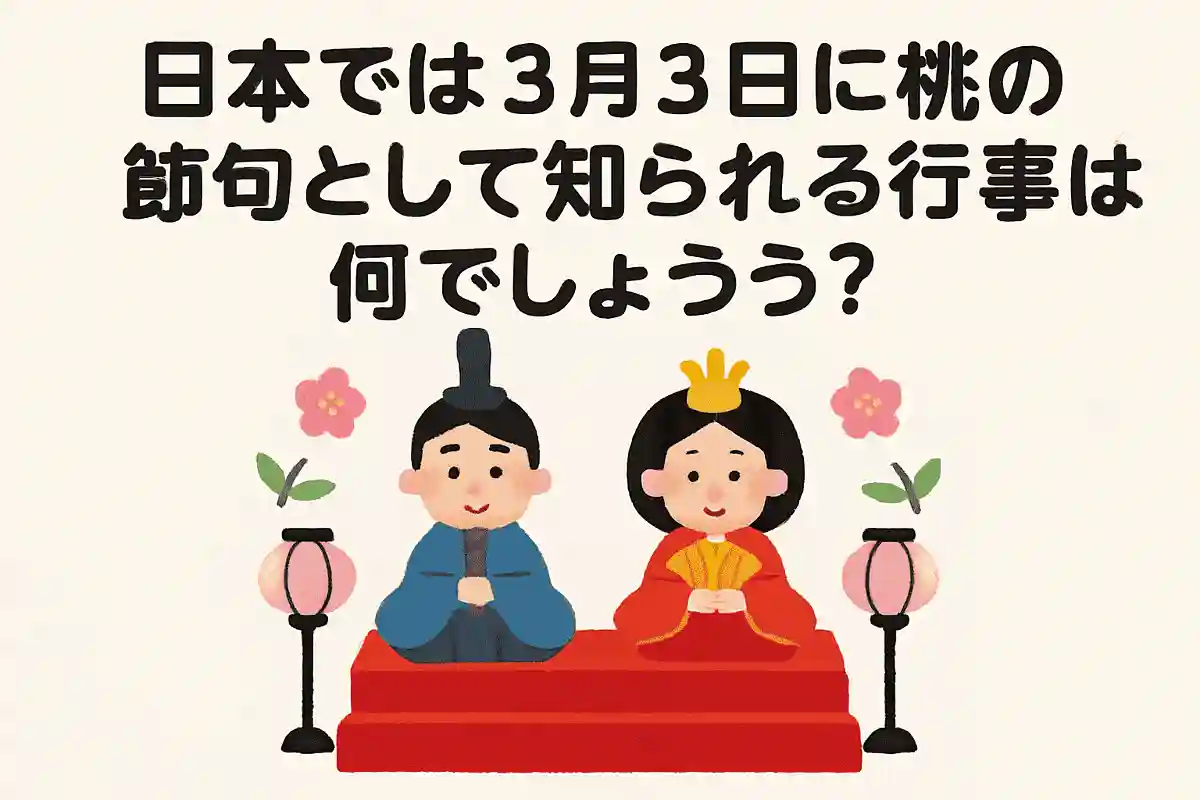
- Hinamatsuri (Doll Festival or Girls' Day)
- Boys' Festival (Tango no Sekku)
- Tanabata
See the answer
Hinamatsuri (Doll Festival or Girls' Day)
March 3rd’s Peach Festival is affectionately known as Hinamatsuri. It is a day to celebrate girls’ growth and pray for their health and happiness. Families display Hina dolls and enjoy foods such as chirashi sushi and amazake.
What are the white granules on the surface of bamboo shoots?
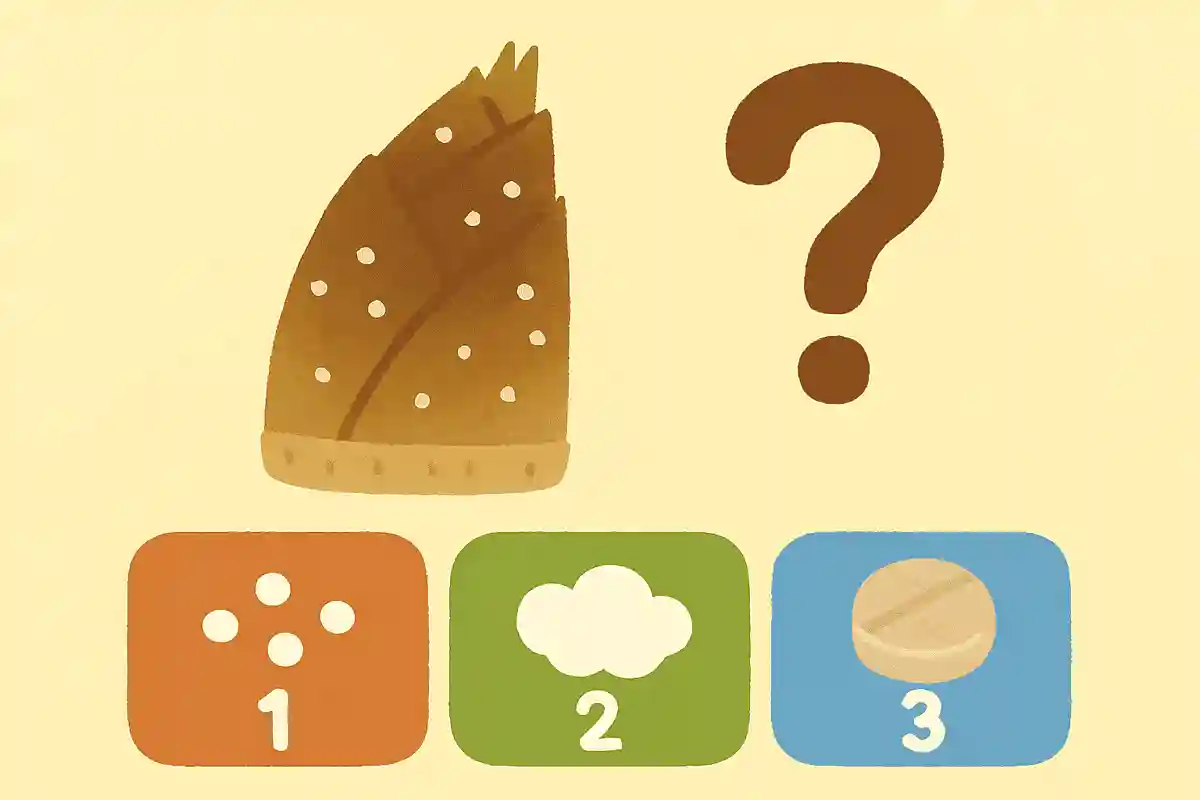
- mold
- moisture
- amino acid
See the answer
amino acid
The white granules seen on the surface of bamboo shoots are crystals of an amino acid called tyrosine. Tyrosine is also said to help improve concentration and reduce stress.
How many can you solve? Test your spring knowledge with a trivia quiz about March! (21–30)
One of the three court ladies has a difference from the other two—what is it?
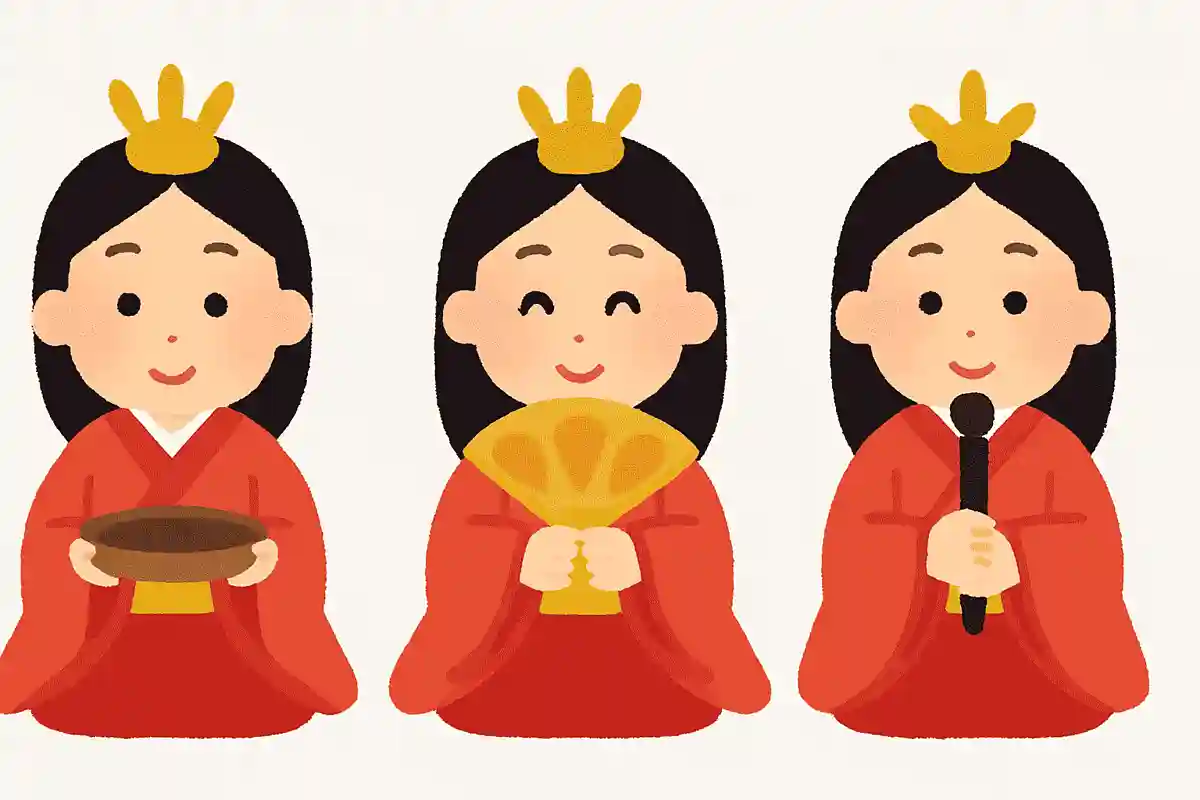
- married person
- old woman
- doctor
See the answer
married person
The woman in the center of the three court ladies represents the role of a married woman, and in keeping with old customs, it’s common for her to have shaved eyebrows and blackened teeth. Nowadays, all three court ladies usually wear the same outfit, but if you see a lady-in-waiting wearing a dark, purplish hakama, that indicates she is the married woman.
