

How many can you solve? Test your spring knowledge with a trivia quiz about March!


When it comes to March, it’s packed with all sorts of occasions and events like Hinamatsuri (Girls’ Day), White Day, and graduation ceremonies, isn’t it?That said, there are probably quite a few things about them that we think we know but actually don’t.How much do you know about the hina dolls displayed for Hinamatsuri, the country where White Day originated, and customs surrounding graduation ceremonies?In this article, we’ll present plenty of trivia about March in a quiz format.We cover a wide range of seasonal trivia that will make you exclaim, “So that’s how it is!”—you’re sure to discover something new.Be sure to give it a try with your family and friends!
- Recommended in March! A collection of surprising, little-known trivia that elementary school students will want to share
- Spring Event Quiz for Seniors to Enjoy in March
- [Trivia] Challenge! Spring General Knowledge Quiz
- [3-Choice Quiz] Cherry Blossom Trivia You'll Want to Share with Someone
- [For Seniors] Fun and Lively! Recommended Quiz Questions
- February trivia quiz: three-choice questions on seasonal fun facts like Setsubun and Valentine’s Day
- [Challenging and Fun!] Quizzes & Riddles for Adults
- Aim for a perfect score! A three-choice common knowledge quiz that deepens your understanding
- [For General Audience] Little-Known Trivia and Fun Facts About Hay Fever
- [For Elementary School Students] Trivia About April
- February trivia quizzes that elementary school kids will love. Get excited with fun facts about commemorative days.
- Shall we delve into the season of new beginnings? April Trivia Quiz!
- [For Kids] December Trivia Quiz & Fun Facts! Learn about seasonal events and traditions!
How many can you solve? Test your spring knowledge with a trivia quiz about March! (21–30)
What was the occupation of the person who created the well-known graduation song “Tabidachi no Hi ni”?

- school teacher
- doctor
- Actor
See the answer
school teacher
Tabidachi no Hi ni (On the Day of Departure) is a song that originated in 1991 at Chichibu Municipal Kagemori Junior High School in Saitama Prefecture. As the culmination of the wish to “make our school resonate with singing voices,” then-principal Noboru Kojima wrote the lyrics, and music teacher Hiromi Sakamoto composed the music. It was initially a surprise song for the faculty and staff to sing at the “Farewell Party for the Third-Year Students,” but gradually the students began to sing it, and it spread throughout the country.

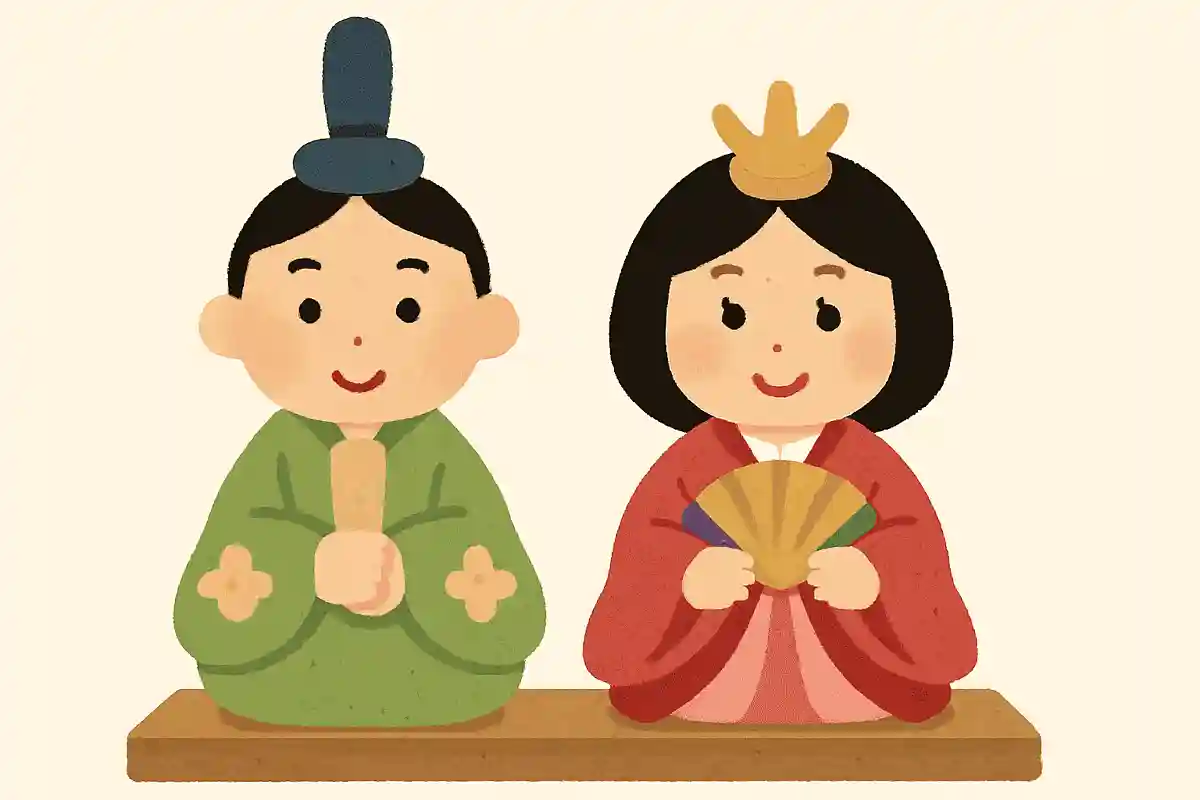
In Seto City, Aichi Prefecture, what material are the Hina dolls made from?
- beads
- mochi
- ceramics
See the answer
ceramics
Seto City in Aichi Prefecture is one of Japan’s leading pottery and porcelain production areas. At the annual “Seto Ohina Meguri,” not only traditional Hina dolls but also creative Hina dolls made of ceramics and glass are displayed throughout the town. Exhibits unique to this pottery town are especially famous, such as the “Hinamid,” a gigantic Hina tiered stand standing 4 meters tall.
In conclusion
We’ve brought you a trivia quiz about March—how many did you get right? Even though we experience it every year, there may have been some surprising things you didn’t know. As you feel the changing seasons, try making March trivia a topic of conversation with your family and friends through a quiz!