

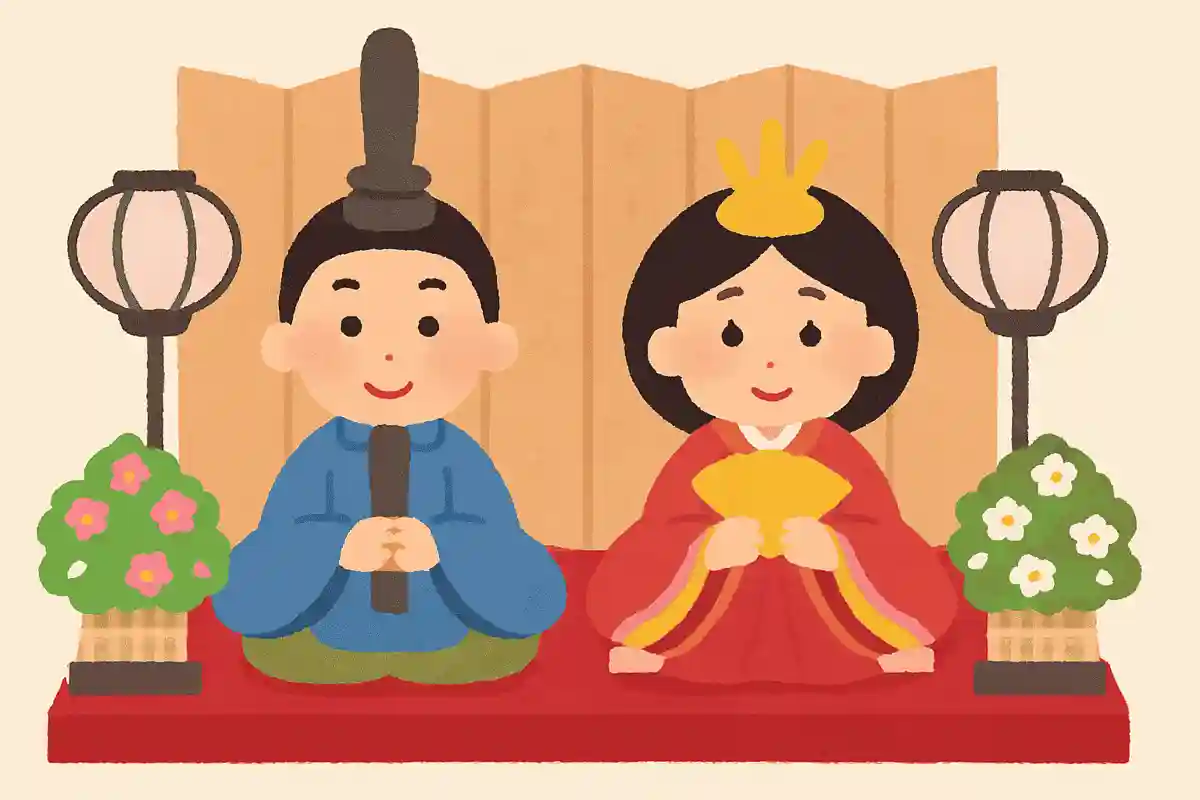


When it comes to March, it’s packed with all sorts of occasions and events like Hinamatsuri (Girls’ Day), White Day, and graduation ceremonies, isn’t it?That said, there are probably quite a few things about them that we think we know but actually don’t.How much do you know about the hina dolls displayed for Hinamatsuri, the country where White Day originated, and customs surrounding graduation ceremonies?In this article, we’ll present plenty of trivia about March in a quiz format.We cover a wide range of seasonal trivia that will make you exclaim, “So that’s how it is!”—you’re sure to discover something new.Be sure to give it a try with your family and friends!
- Recommended in March! A collection of surprising, little-known trivia that elementary school students will want to share
- Spring Event Quiz for Seniors to Enjoy in March
- [Trivia] Challenge! Spring General Knowledge Quiz
- [3-Choice Quiz] Cherry Blossom Trivia You'll Want to Share with Someone
- [For Seniors] Fun and Lively! Recommended Quiz Questions
- February trivia quiz: three-choice questions on seasonal fun facts like Setsubun and Valentine’s Day
- [Challenging and Fun!] Quizzes & Riddles for Adults
- Aim for a perfect score! A three-choice common knowledge quiz that deepens your understanding
- [For General Audience] Little-Known Trivia and Fun Facts About Hay Fever
- [For Elementary School Students] Trivia About April
- February trivia quizzes that elementary school kids will love. Get excited with fun facts about commemorative days.
- Shall we delve into the season of new beginnings? April Trivia Quiz!
- [For Kids] December Trivia Quiz & Fun Facts! Learn about seasonal events and traditions!
How many can you solve? Test your spring knowledge with a trivia quiz about March! (1–10)
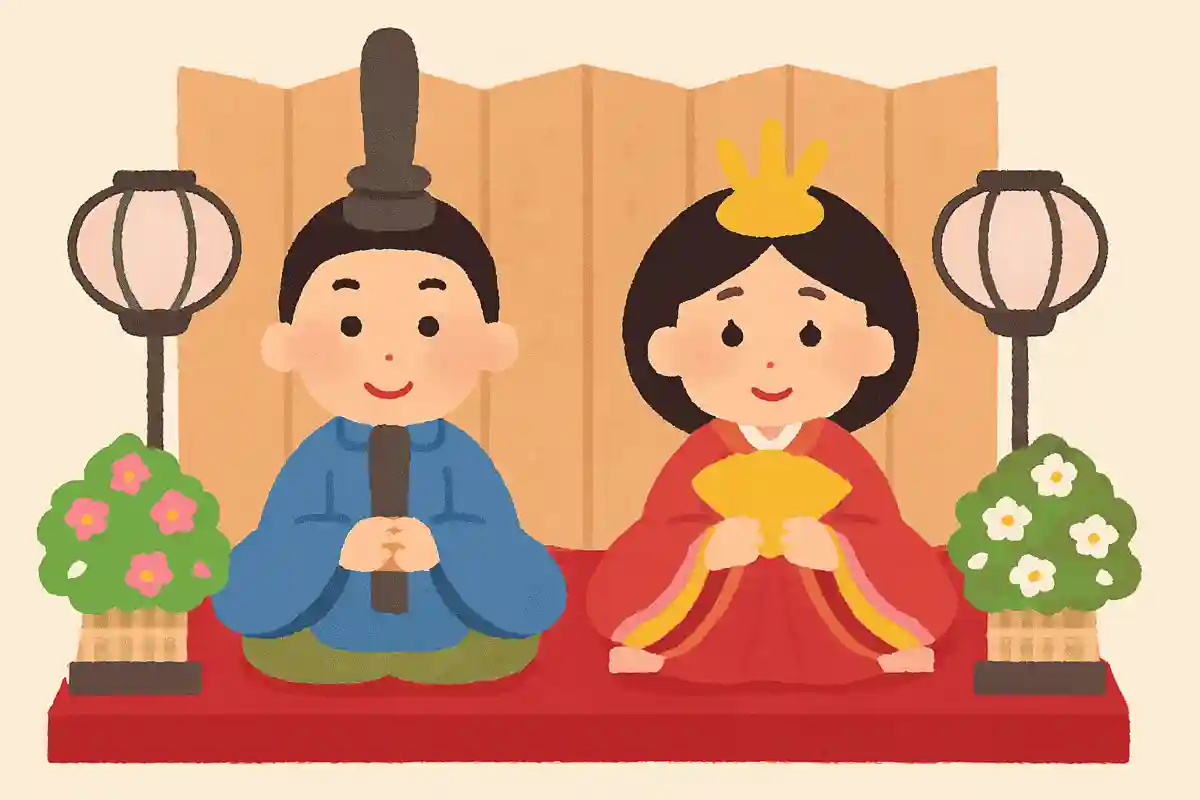
What kind of scene does Hinamatsuri depict?
- Entrance Ceremony
- graduation ceremony
- wedding
See the answer
wedding
The Hina dolls displayed for the Doll Festival are said to model the imperial wedding ceremony of the emperor and empress at the Heian-period court. The male doll (Odairi-sama) and the female doll (Ohina-sama) represent Their Majesties the Emperor and Empress, while the dolls such as the three court ladies and the five musicians represent the attendants and performers who served at that wedding.

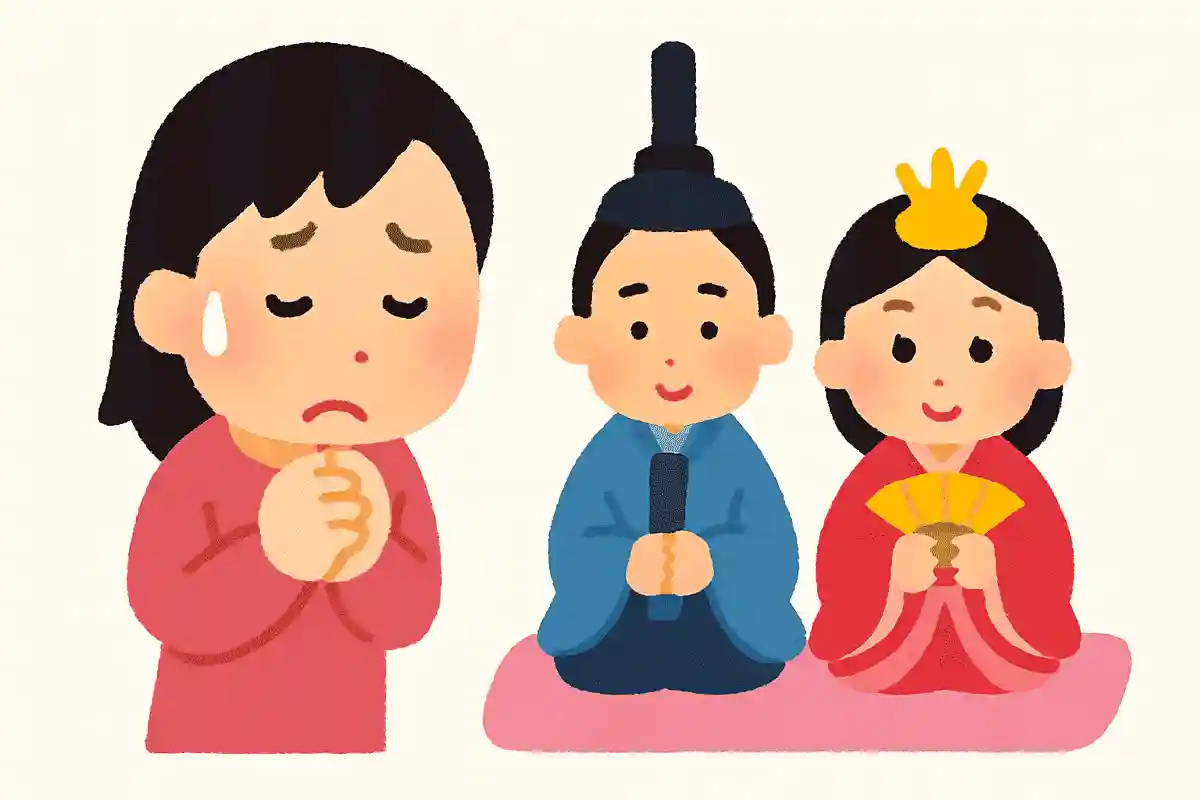
According to superstition, what is said to happen if you put away Hina dolls late?
- get sick
- repeat a year
- One’s marriage is delayed
See the answer
One’s marriage is delayed
It has long been said that if you put away Hina dolls late, your marriage will be delayed. This is believed to stem from ideas such as a disciplinary lesson—that someone who can’t tidy up properly won’t make a good bride—and the notion that, since the dolls take on misfortune, it’s better to put them away quickly and keep it at a distance.
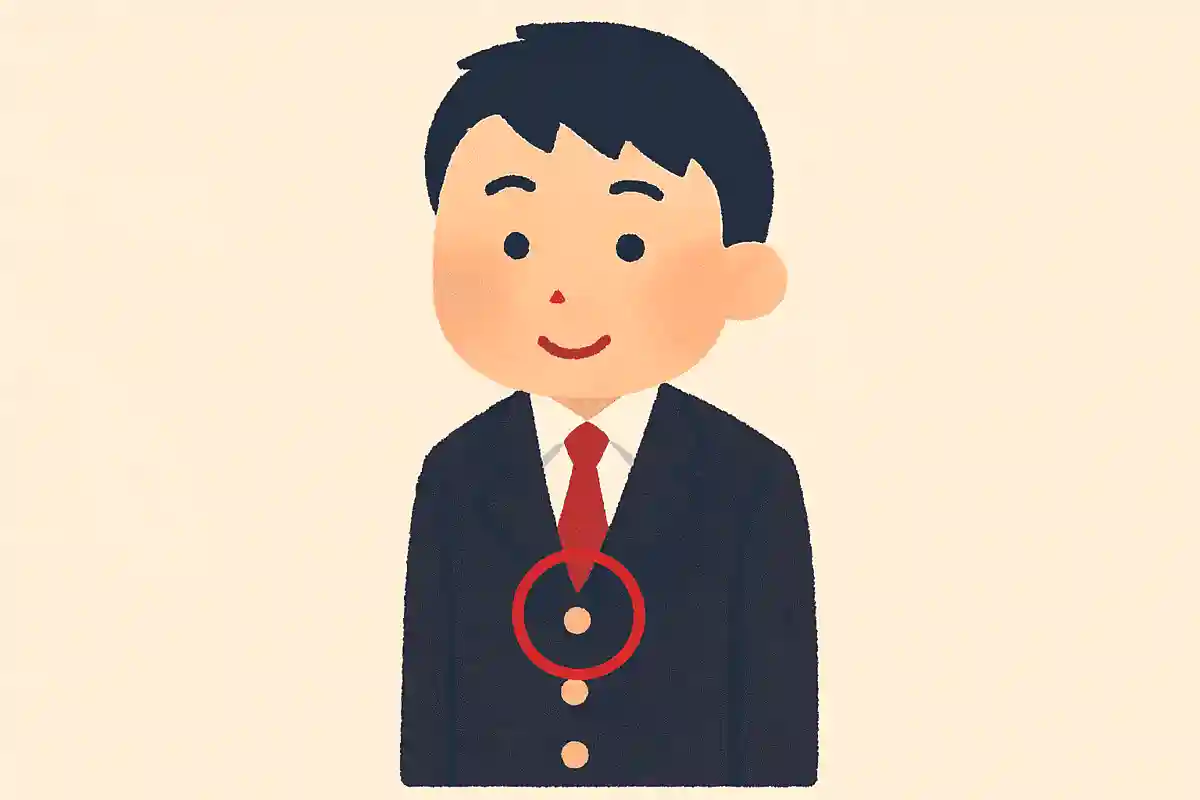
What kind of meaning does the third button on a school uniform have?
- Someone I dislike
- Friend
- master; mentor
See the answer
Friend
At graduation ceremonies, people go to get the second button from someone they like, or give theirs to someone, right? That’s because it’s the closest to the heart and is said to mean “to capture someone’s heart.” The second button is well known, but many people might not know that the third button—controversial as it has been—means “friend.” In fact, the first button also carries the meaning of “oneself.”
What is the birthstone for March?
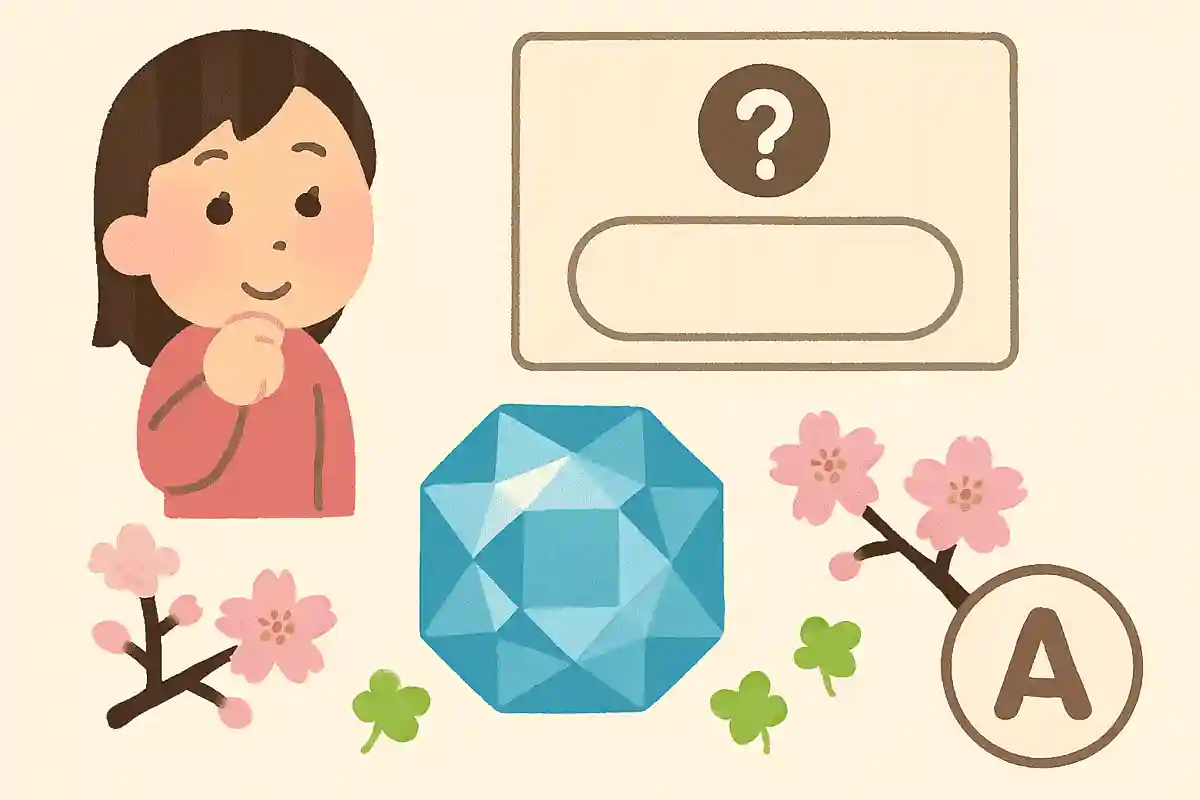
- Diamond
- Aquamarine
- Ruby
See the answer
Aquamarine
The birthstone for March is aquamarine. As its Latin name means “sea water,” this gemstone is characterized by a beautiful ocean-like blue. It is also said to bring calm and tranquility.

What does “haru ichiban” refer to?
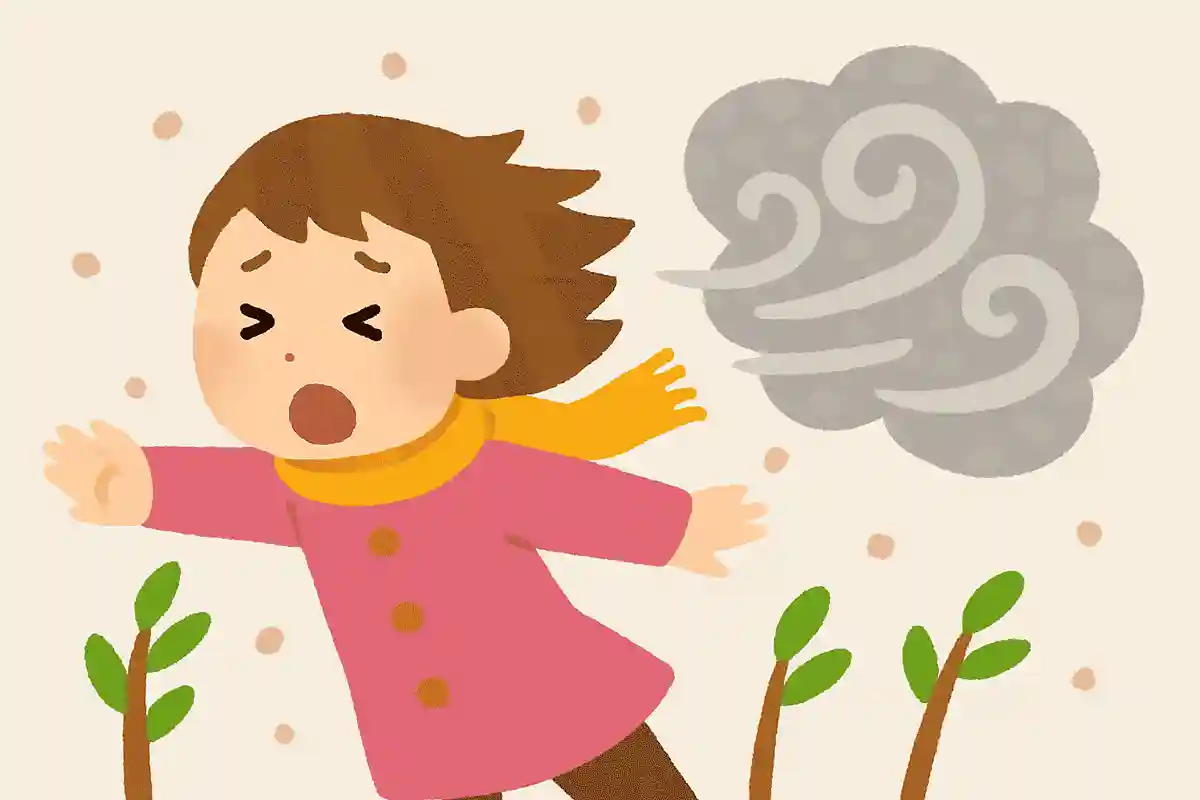
- The first cherry blossoms that bloom in spring
- The first sunrise of spring
- the first strong south wind that blows in spring
See the answer
the first strong south wind that blows in spring
“Haruichiban” refers to the first strong southerly wind among a series of warm, strong south winds that blow across the Japanese archipelago between Risshun (the beginning of spring) and the Vernal Equinox. Arriving after the severe cold of winter, the haruichiban is also known as a seasonal hallmark that symbolizes the nearness of spring.
Hishi mochi eaten during the Doll Festival (Hinamatsuri) has three colors—what is that combination?
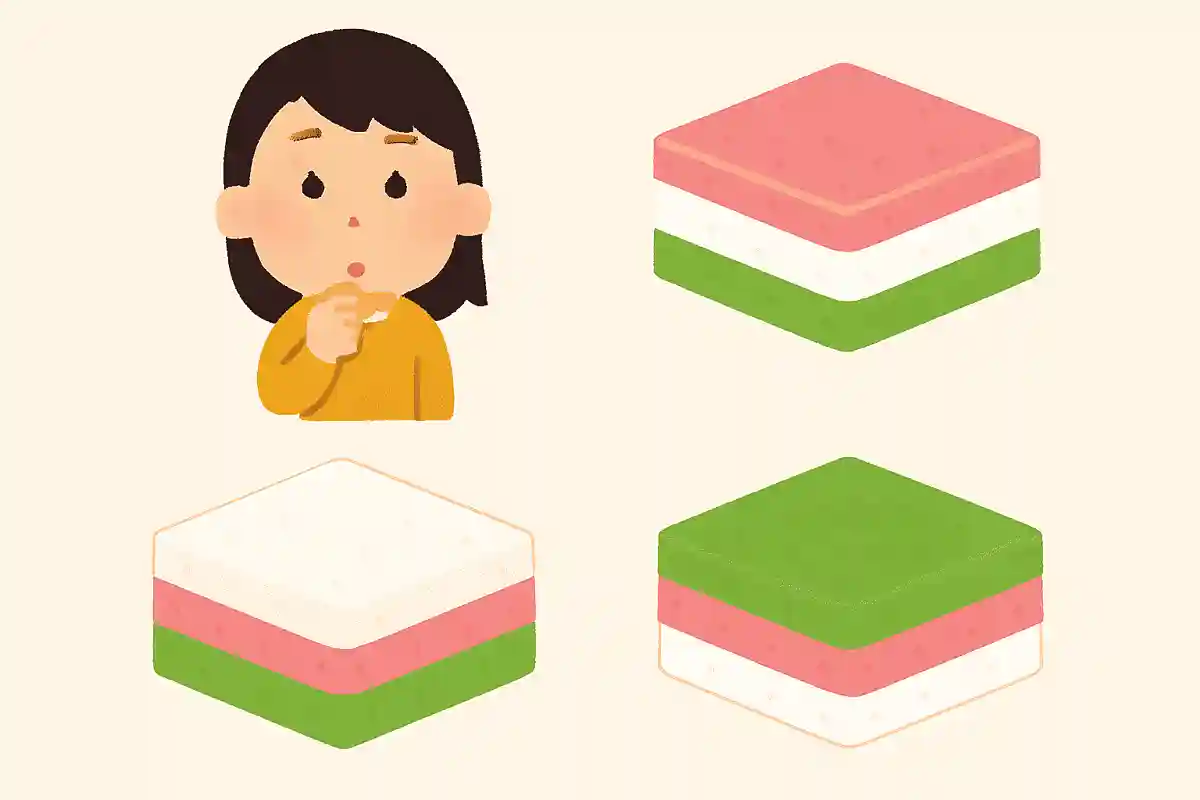
- Pink, white, green
- Yellow, white, purple
- Red, white, and black
See the answer
Pink, white, green
Hishimochi is divided into three layers of color from top to bottom—pink, white, and green—where pink represents peach blossoms, white signifies snow, and green evokes young grass. These colors symbolize the changing of the seasons and embody the celebration of the arrival of spring.
What sweets are traditionally offered during the spring Higan?
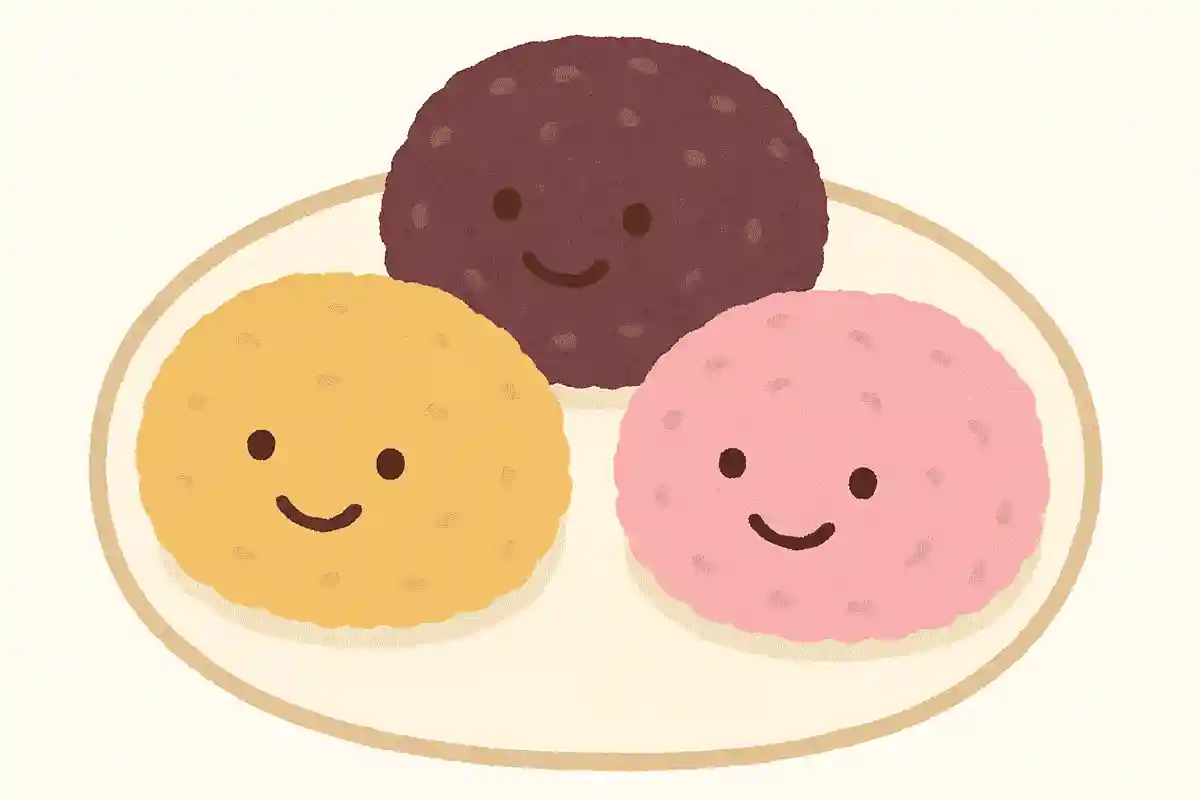
- yokan
- dorayaki (Japanese red-bean pancake)
- botamochi (sweet rice cake with red bean paste)
See the answer
botamochi (sweet rice cake with red bean paste)
Botamochi are well known as sweets offered during the spring equinoctial week (Ohigan). Botamochi are a type of traditional confectionery made with glutinous rice. The offering during the spring Ohigan is called botamochi, while the one offered during the autumn Ohigan is called ohagi. This difference in naming comes from the fact that peonies (botan) bloom in spring, and bush clover (hagi) blooms in autumn.