

[Minna no Uta] Beloved Across Generations: Nostalgic Classics and Popular Songs

We’re introducing some nostalgic songs from Minna no Uta, a program that has continued to produce countless classics.
I’m sure each of you has that one song that makes you think, “When it comes to Minna no Uta, it has to be this one!”
The pieces that stick in your memory may vary by generation, but in this article we’ve focused on songs that everyone knows.
They’re all tunes that feel nostalgic to anyone—just seeing the title will have you humming along before you know it.
If you’re thinking, “I want to listen to the classics from Minna no Uta,” be sure to check these out.
Let’s listen to these timeless favorites, loved across generations, with family and friends, and keep passing them down through song.
- [Minna no Uta] Tear-jerking masterpiece. A moving song you want to hear again.
- Get pumped with kids’ favorite songs! A memorable collection of classics that will make you want to sing along
- [Elementary School Music] List of Popular and Nostalgic Songs That Have Appeared in Textbooks
- Old songs from the Showa to Heisei eras: a collection of timeless classics loved across generations
- Ranking of Popular Children's Songs [2026]
- Nursery rhymes you’ll want to sing at karaoke: classic and popular songs everyone can enjoy together.
- Popular Songs Ranking for Toddlers
- [Warabe-uta] Beloved Classic Songs Passed Down Through Generations
- Evokes the charm of the good old days. Showa-era inspirational songs that are still loved today.
- Get pumped with popular songs from “Okaasan to Issho”! A collection of timeless tunes everyone will want to sing together
- Nostalgic Children’s Songs, Folk Songs, and Nursery Rhymes: The Heart of Japan Passed Down Through Song
- Timeless classics only! Showa-era hit songs perfect for acoustic sing-alongs
- Songs from Ponkickies: A roundup of nostalgic classics and popular tracks
[Minna no Uta] Timeless, Beloved Classics and Popular Songs (31–40)
Mountain MusiciansDoitsu min’yō

An endearing, picture book-like piece in which the animals of the forest become musicians and hold a concert.
In this song, mountain friends like squirrels and little birds appear one after another, each showing off their favorite instrument.
With a structure that layers on words imitating the timbre of the instruments, it carries a lively joy that makes your body start moving all on its own.
It became widely known in Japan after being featured in April 1964 on NHK’s “Minna no Uta,” sung by Dark Ducks.
Since then, it has been sung for many years on educational programs and the like.
Part of its charm is that you can enjoy it with gestures and hand motions, too.
A birthday for a child with a cavity

This is a song about the tragedy of getting a cavity right before a birthday.
It portrays the realistic feelings of a child who can do nothing but pray to God when the worst thing happens on the eve of a fun event.
It’s a song that teaches children about the fear of cavities and the importance of brushing their teeth.
Just imagining losing your front teeth to cavities is terrifying, isn’t it?
King Kamehameha of the Southern Islandssakushi: itō akira / sakkyoku: morita kōichi
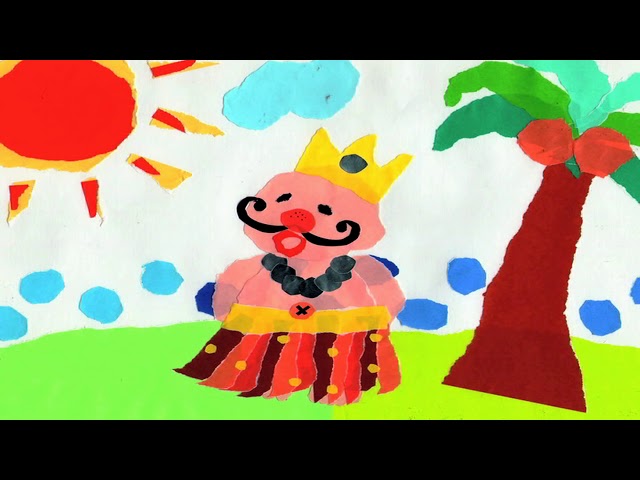
This is a heartwarming song that lightens the spirit, depicting the laid-back daily life of King Hamehameha and his family on a southern island.
The unique premise is that everyone on the island shares the same name, and their relaxed tropical lifestyle is sung over a warm melody.
It was first broadcast in 1976 on NHK’s “Minna no Uta,” performed by Ado Mizumori and Top Gallant.
The accompanying puppet-show visuals also drew attention, and the song was released that June as a double A-side single.
Sing it with the whole family and you’re sure to enjoy a delightful time!
The Puppy Police OfficerSakushi: Satō Yoshimi / Sakkyoku: Ōnaka Megumi

This work, which portrays a heartwarming story of a police dog gently trying to help a lost kitten, is one of Japan’s representative children’s songs, where Yoshimi Sato’s warm lyrics and Megumi Ohnaka’s familiar melody blend beautifully.
While empathizing with the kitten mewing “nyan, nyan, nyan” in distress, the police dog also seeks help from a crow and a sparrow, and his kindness and efforts warmly touch listeners’ hearts.
Composed in the 1950s to 1960s, the song became beloved through educational programs such as NHK’s “Minna no Uta” and “Okaasan to Issho,” and continues to be cherished by many children.
Song of the Boy Pirates

When people hear “boy pirates,” they tend to picture those folks with straw hats, but this has nothing to do with them.
Listening to it as an adult somehow brings back memories of make-believe play.
It’s a lively song, so it seems likely to become popular with children to come.
It’s being used for performances at various daycare centers and kindergartens.