

Masterpieces of contemporary (art) music. Recommended popular pieces.

When people hear the term “contemporary music,” I suspect the vast majority don’t even know such a genre exists.
Even if they know a little about it, many probably feel it has a high barrier to entry and seems difficult to grasp.
The influence of contemporary music is deeply rooted across many fields—not only in classical music, but also in minimal music, avant-pop, free jazz, and noise avant-garde.
With celebrated works of contemporary music as the axis, I’ve selected tracks spanning a wide range of genres.
- [Classic] Masterpieces of Contemporary Music
- Masterpieces of Minimal Music | Including Lesser-Known Works
- [2026] The Beautiful World of Ambient: A Curated Collection of Must-Listen Masterpieces
- [Celtic Music] Masterpieces of Celtic music. Recommended Irish music
- Western pop music popular with Gen Z. Hit songs.
- Famous piano masterpieces in Western music. Recommended popular songs.
- [Tango] Famous Tango Songs: Recommended Popular Tracks
- [Classical] Masterpieces of oratorios. Recommended classical music.
- A cappella masterpieces: Recommended songs where beautiful harmonies shine (Western and Japanese music)
- K-POP Masterpieces & Best Hits [Latest and Classic Popular Songs + Editor’s Select]
- Famous Western songs everyone knows: a roundup of classic tunes you’ve heard somewhere before
- [Classics] Famous waltzes: recommended popular pieces
- [2026] Iconic musical numbers: from the latest releases to timeless classics!
Masterpieces of Contemporary (Art) Music: Recommended Popular Pieces (21–30)
Stravinsky: PetroesjkaAndris Nelsons

The second work in Stravinsky’s ballet trilogy.
It’s the first piece where his distinctive voice really comes to the fore, yet it’s not widely known that performers often find it more difficult than The Rite of Spring.
Originally conceived as a short piece for piano and orchestra, it is also known for the prominent role given to the piano.
Prokofiev Violin Concerto No. 2Janine Jansen
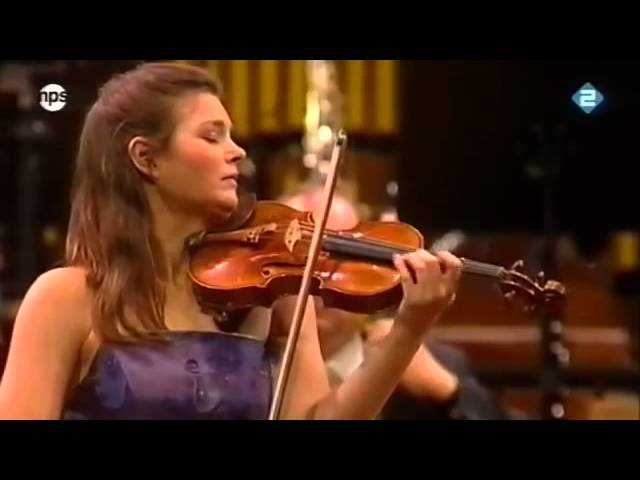
When it comes to Prokofiev, only Peter and the Wolf tends to be covered in school education, but he is one of the key composers who embodied European modernism from the Russian Revolution through World War II.
He wrote two violin concertos, both works in which the composer’s extraordinary talent overflows within a concise instrumentation.
Ballet Music: “Eliza’s Aria” from The Wild SwansElena Kats-Chernin

It’s a goosebump-inducing masterpiece.
The phrase “contemporary music” tends to evoke things like the sound of helicopters, sitting through four minutes and thirty-three seconds of silence, or performing freely while looking at clumsy drawings written on the score.
But it’s about time we think about what comes after the term ‘contemporary music.’ That may be our responsibility, as people living in the present.
Suite: Antarctica – Penguin BalletNigel Westlake

Despite being a powerful, macho track, it’s actually a gem brimming with a candy-land charm.
The title “Antarctica” refers to the southern continent, and the song features wooden ships and penguins, weaving a grand epic.
It’s a masterpiece where divine, enchanting magic resounds.
Stravinsky, Symphony of PsalmsRiccard Muti
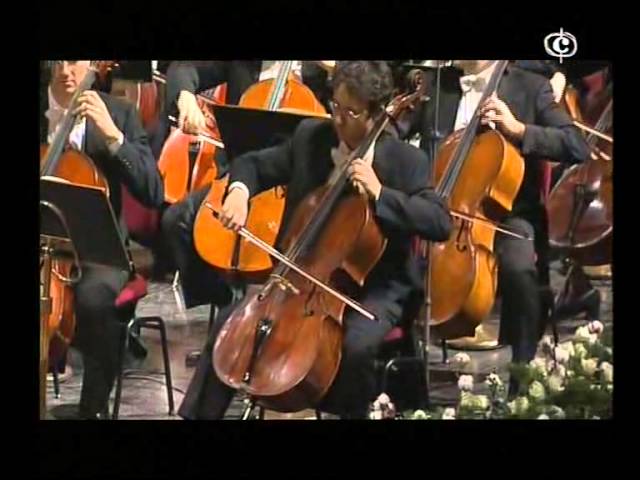
A masterpiece among Stravinsky’s religious works—welcomed with bewilderment for praising God in one moment and singing of amorous matters in the next.
The lyrics are taken from the Psalms of the Old Testament.
Though the melodies may sound unfamiliar, they originally stem from Russian choral music strongly influenced by Byzantine chant.
Mirror in the Mirror (Spiegel im Spiegel)Arvo Part

Arvo Pärt presents sounds as if they had already been resonating there, offering them in a natural form.
Many of his masterpieces seem to borrow just a touch of inspiration from nature, turn it back into sound, and return it to nature again—an artfulness within apparent randomness.
This piece, too, is like gazing at your face in parallel mirrors, discovering many versions of yourself, and feeling a quiet joy.
Stravinsky – Pulcinella SuiteJaap van Zweden

A Classical-period masterpiece that boldly reworks and repurposes the music of the Baroque-era Italian composer Pergolesi.
At first glance, its clear, beautiful melodies don’t evoke Stravinsky, but throughout the piece it contains numerous clever devices that led the patron to wryly remark it was like “adding a mustache to the Mona Lisa.”