

Recommended love songs for people in their 90s: A collection of classic Shōwa-era romance songs

Among the popular kayōkyoku and hit songs of the Showa era, there are many masterpieces that portray pure, straightforward feelings of love.
In this article, from among those beloved tunes, I’ll introduce recommended songs mainly from the 1950s to the 1960s—pieces that are likely most familiar to people in their 90s.
I’m sure you’ll find songs that, when you listen, will bring back memories from those days.
If you’re reading this, please share the songs introduced here with someone in their 90s close to you, and try listening together to the ones they know!
- Recommended love songs for people in their 80s: A collection of classic love songs that colored the Showa era
- Breakup songs recommended for people in their 90s: a collection of timeless tracks that comfort the heart
- For seniors: Recommended youthful songs for people in their 90s. A collection of classic Showa-era hits.
- Recommended love songs for women in their 70s: A collection of nostalgic love songs
- A collection of moving, tear-jerking songs recommended for women in their 90s—heartfelt tunes that resonate with the soul.
- Recommended cheer songs for people in their 90s: a collection of timeless tracks that support life
- Recommended love songs for men in their 70s: A collection of nostalgic love songs
- Recommended winter songs for people in their 90s: A collection of Showa-era winter tracks
- [For Seniors] Recommended spring songs for people in their 90s: A collection of Shōwa-era spring tunes
- Breakup songs recommended for people in their 80s: a collection of classic tracks that capture heartbreaking feelings
- Great songs recommended for people in their 80s: a collection of tracks with lyrics that touch the heart
- Recommended summer songs for people in their 90s: A collection of Showa-era summer tunes [2026]
- Recommended youth songs for people in their 80s: A collection of nostalgic classics
Recommended love songs for people in their 90s: A collection of classic Showa-era romance songs (31–40)
spring hazeIwasaki Hiromi

With a beautiful singing voice reminiscent of Showa-era idols, she performed a classic that resonates in the hearts of older listeners.
Against a backdrop of cherry blossoms in half bloom, the song delicately portrays the bittersweet love of a young couple.
It carefully expresses the feelings of a woman determined to pursue love despite her father’s opposition.
Hiromi Iwasaki’s clear, transparent vocals vividly capture a fleeting spring moment with cherry blossoms in bloom.
Released in February 1979, this work was beloved by many, even making its first appearance in the Top Ten on TBS’s “The Best Ten.” Even today, it remains a much-loved song brimming with the atmosphere of spring’s arrival.
It’s especially recommended to listen to during cherry blossom season together with older adults—letting them reminisce about the past while feeling the coming of spring.
Red Sweet PeaMatsuda Seiko

This is a classic song by Seiko Matsuda, distinguished by its beautiful melody, filled with the scent of spring, and her fresh, radiant vocals.
The lyrics wonderfully balance innocent first love with a hint of mature romance, and are sprinkled with seasonal imagery such as a spring-colored train and April rain.
Written by Takashi Matsumoto and composed by Yumi Matsutoya, this gem was released in January 1982.
It was also used in a commercial for Fujifilm’s skincare brand Astalift, which drew attention for featuring Miyuki Nakajima.
It’s a song best enjoyed on a calm spring day by the window, inviting a warm, heartwarming moment along with fond memories.
Mischief of the spring breezeYamaguchi Momoe

With the arrival of spring, a timeless masterpiece was born.
The lyrics gently express tender first love and poignant emotions, portraying the delicate feelings of a girl walking through the city in the spring breeze.
Momoe Yamaguchi’s pure, clear voice beautifully conveys the wavering heart of a young woman.
Released in March 1974, the song was used as the theme for the film “The Dancing Girl of Izu,” and became a major topic of conversation.
Together with the film, which showcased Yamaguchi’s charm as an actress to the fullest, it remains deeply etched in many people’s hearts.
It’s a perfect song for spending a peaceful moment in the warmth of spring or reminiscing about cherished memories.
Why not enjoy it with older listeners, sharing nostalgia while feeling the arrival of spring?
Let’s get married.yoshida takurou
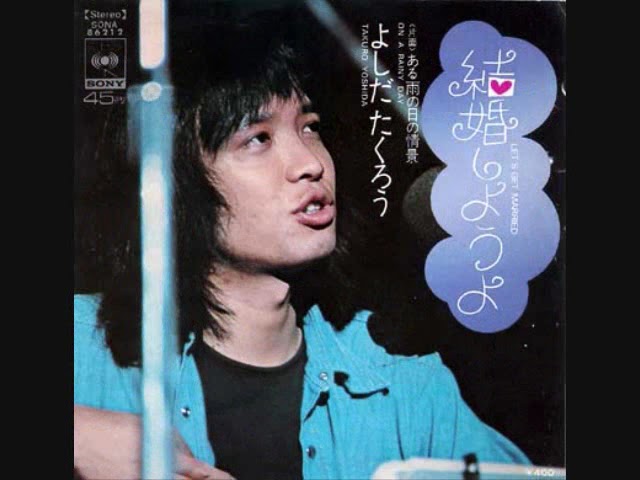
This work is memorable for its translucent, beautiful melody and sweet, poignant vocals.
Released in 1972, the song marked a major turning point in the history of folk music.
Centered on acoustic guitar, its warm sound creates an atmosphere that gently envelops feelings of love.
While poetically depicting springtime scenes, Takuro Yoshida expresses sincerity and pure affection.
Simple yet profound in its message, this classic reached a peak of No.
3 on the Oricon weekly chart.
Its heartwarming, gentle tone and tender vocal timbre enrich everyday moments.
It’s a song to savor slowly on a blossoming spring day, reminiscing with those of the same generation as memories come into full bloom.
Parting at 22kaguya hime

A delicately rendered farewell to a longtime lover, this is a classic song that almost everyone has hummed at least once.
Released by Kaguya-hime on their 1974 album “Sankaidate no Uta,” it is said to have been written in a single night.
In 1984, it was used as the theme song for the drama “Kinō, Kanabetsu de,” bringing it back into the spotlight.
Accompanied by a gentle melody, the lyrics look back on memories with a lover while gazing toward a new step in life—offering comfort to those who have overcome a turning point in their lives.