

Okinawan folk songs, children’s songs, and nursery rhymes: the heart of our hometown passed down through song.

Doesn’t Okinawan music have a unique vibe that many people love?
In Okinawa, a distinct culture has been nurtured over a long period of time.
As a result, the unique resonance of the Ryukyuan scale combined with lyrics in the Okinawan dialect gives the music a charm unlike any other.
In this article, we’ll introduce plenty of folk songs and children’s songs that have been passed down from adults to children for generations in Okinawan music.
Listen to the songs we’re about to share, and carry on the spirit of Okinawa in song yourself.
- Nursery rhymes perfect for April: A collection of classic spring songs that capture the season
- [Ryukyuan Music] Folk and Classical Music of the Ryukyu Islands
- [Traditional Performing Arts of Okinawa] A special feature on classic Eisa songs that make you want to dance
- A classic song in the Okinawan dialect, Uchinaaguchi
- Ranking of Popular Folk Songs
- Fukuoka’s folk songs and children’s rhymes: History and sentiments conveyed by the nostalgic melodies of home
- Recommended children's songs and hand play songs for October! Music time in childcare that feels like autumn.
- Children’s Songs You Can Sing in August: Summer-Friendly Kids’ Songs and Fingerplay Rhymes
- [Sea Nursery Rhymes] Fun children's songs themed around the sea
- [Parenting] Parent-child bonding! Hand-play songs and traditional nursery rhymes collection
- Nostalgic Children’s Songs, Folk Songs, and Nursery Rhymes: The Heart of Japan Passed Down Through Song
- [Folk and Children's Songs of Hokkaido] Songs of Hokkaido that continue to be loved across generations
- Nursery rhymes I want to sing in July: fun summer songs
Okinawan folk songs, children’s songs, and nursery rhymes: The enduring heart of our homeland (31–40)
Flower ThoughtsHoriuchi Kanako
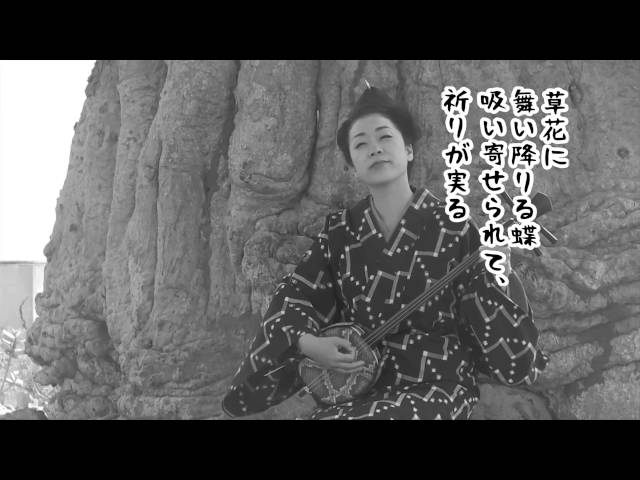
Kanako Horiuchi, a Hokkaido native who sings Okinawan folk songs, sets off on a round-the-world journey with her sanshin on her back to introduce Okinawan folk music.
This song was born from a collaboration she encountered on that journey with the kora, a Senegalese instrument.
Her activities are driven not only by singing Okinawan folk songs, but also by a desire to bring them overseas.
The Pattern of LifeDaiku Tetsuhiro

While grounding his work in Yaeyama folk songs, Tetsuhiro Daiku has woven in diverse musical elements from around the world to create a richly layered sonic universe.
This compelling piece showcases a legendary collaboration in which folk singer Wataru Takada set to music the poems of Okinawan poet Baku Yamanokuchi—brought to life here with a resonant, textured vocal and the timbre of the sanshin.
Poem of the HeartWagōku Yoriko
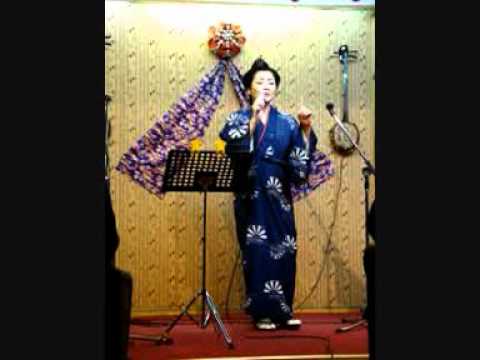
It’s a song that really touches the heart.
Many artists have covered it, but the original folk-style singing by Yoriko Gagaku feels very warm and soothing.
I feel it’s a song about the theme of love—not just romantic love.
It brings a comforting feeling, like the moment you find joy in seeing an ordinary flower blooming by the roadside.
Annual Events KudokiTeruya Rinsuke

This is a pop-style song that sings about Okinawa’s many annual events.
Each event has its own meaning and has been carefully preserved, but young people have trouble remembering them.
It’s a song that lets you enjoyably learn about Okinawa’s traditional events and their meanings to a rhythmic tune.
Nineteen SpringsTabata Yoshio

It’s an Okinawan folk song that was also used in the 1999 film “Nabbie’s Love.” The song captures the essence of youth, expressing a tender, youthful crush.
There’s also a cover version by Yoshimi Tendo; hearing it with an enka singing style feels refreshing, and it’s a truly wonderful song.
Okinawan folk songs, children's songs, and nursery rhymes: The heart of our homeland passed down in song (41–50)
Kaze no DonanNishidomari Shigemasa

“Donan” means “Yonaguni Island” in the Yonaguni language, and this is a song about Yonaguni Island, the westernmost island of Japan.
I personally imagine Okinawan songs as either being sung in a clear, soaring high register or delivered with drums and a powerful voice, and this song falls into the latter category.
The low tones really resonate.
Ichubi measures

Ichubi Kobushi is a song about a woman thinking of the man she loves as she goes to pick strawberries.
“Ichubi” means strawberries, and the word itself has a cute ring to it.
In fact, this piece is an Okinawan folk song whose curious lyrics are surprisingly addictive.
It’s said that even locals fluent in the Ryukyuan dialect find the exact meaning hard to interpret.
Despite its enigmatic words, the song has a bright feel with a buoyant rhythm that would pair well with the atmosphere of Eisa dancing.
