

Poignant and beautiful! A collection of recommended piano pieces

Among the many musical instruments, the piano is one of the most familiar, and it’s a quintessential instrument that makes you admire anyone who can play it.
Melancholic melodies can draw you into their world before you know it.
In this article, we’ll introduce popular piano pieces themed around “sadness.” In addition to classic standards, we’ve gathered a rich variety of poignantly beautiful, piano-centered works featured in soundtracks for films, anime, and video games.
If you love wistful piano music, this is a must-check!
- Piano × Dark Pieces: Classic Masterworks to Sink Deep into Sorrow
- Masterpieces of classical piano that are too beautiful for words. A gathering of delicate tones that cleanse the soul.
- [Piano × J-POP] Tearjerker! A Selection of Moving/Touching Songs
- [Classical Piano Masterpieces] A carefully selected collection of moving pieces that will bring you to tears
- [For Adults] Recommended for Piano Recitals! A Curated Selection of Impressively Sounding Masterpieces
- [Beginner] Recommended for adult piano beginners! Beautiful & stylish piano pieces
- Beautiful Melodies: A Collection of Masterpieces and Moving Piano Songs
- Today's Piano: Masterpieces and Popular Pieces Woven with Delicate Tones
- [J-POP] I want to listen to songs with impressive, beautiful piano tones! Recommended piano cover tracks
- [Masterpiece Classics] A special showcase of gem-like masterpieces so beautiful they’ll move you to tears
- It’s so cool if you can play these on the piano! A selection of irresistibly charming masterpieces.
- [For when you want to cry or feel sad] Tear-jerking masterpieces that make you cry when you listen
- [Intermediate Level] Cool Piano Pieces You Can Play [Great for Recitals Too]
Heartrending and beautiful! A selection of recommended piano pieces (81–90)
Intermezzo, Op. 118 No. 2Johannes Brahms

A piece whose gentle, graceful melody seeps into the heart.
Like waves that ebb and flow, its unhurried lines carry deep emotion and quiet reflection.
Written in 1893, it is characterized by a singing right-hand melody supported by soft left-hand chords.
In the middle section, it unfolds with passion, yet returns to the calm theme, evoking the rises and falls of life.
Expressing the stillness of an autumn dusk and feelings held within, this work is ideal for those who wish to experience the piano’s profound allure or refine delicate expressive skills.
Rather than technical bravura, it calls for attention to color and emotional nuance—an invitation to take it on with care and sensitivity.
Piano Sonata No. 8 “Pathétique,” Second MovementLudwig van Beethoven
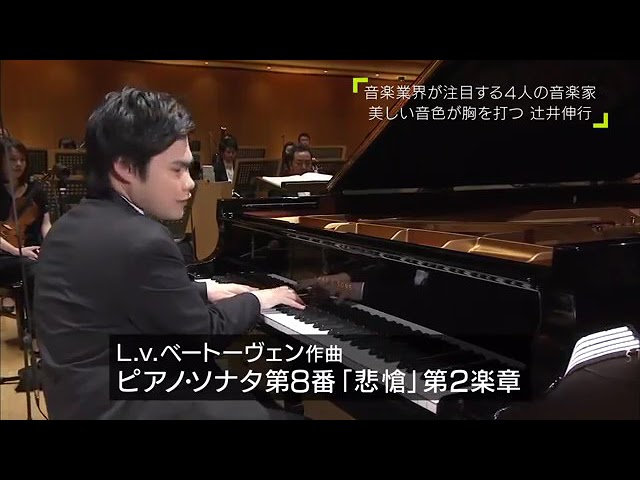
Beethoven’s Piano Sonata No.
8 “Pathétique” is a defining work from his early piano compositions.
Among its movements, the second is often said to be one of the most beautiful melodies Beethoven ever wrote, and it has been used frequently in films and television dramas.
While the melody is simple and the range not particularly wide, the accompanying parts are sonically rich, so the melody can easily get buried unless you listen carefully and balance the voices during performance.
Aim to play gently, being mindful of the gracefully flowing, soothing melody that warmly envelops the listener, as well as the weighty chords that support it.

Piano Sonata No. 14 in C-sharp minor, Op. 27 No. 2 “Moonlight,” First MovementLudwig van Beethoven

Ludwig van Beethoven’s Piano Sonata No.
14 in C-sharp minor, Op.
27, No.
2, widely known as the “Moonlight Sonata.” In particular, the first movement, which proceeds slowly as if expressing deep sorrow, is a masterpiece that is almost always cited as a “beautiful piano work.” The nickname “Moonlight Sonata” was taken from a remark made by a music critic after Beethoven’s death.
We cannot be certain what the composer himself had in mind, but isn’t there no word more fitting for this piece than “moonlight”?
TraumereiRobert Schumann

Woven in F major with a gentle 4/4 pulse, this beautiful, dreamlike melody softly envelops the listener’s heart.
Born from the album Kinderszenen, the piece was published in Leipzig in February 1839 and is a memorable work used in both the opening and ending of the film “The Girl Who Leapt Through Time” (Tenkōsei).
Its calm, transparent tone seeps into the soul, as if awakening the pure emotions of childhood and the nostalgia felt in adulthood.
Over eight repetitions of a four-bar melody, shifts in harmony and an expanding register brilliantly portray the changing scenes of a dream.
Though it occasionally shows a pensive expression, it concludes with a warm afterglow.
With a leisurely performance duration yet profound emotional impact, this highly artistic work is recommended for those who wish to immerse themselves quietly in music.
Kinderszenen, Op. 15, No. 7: “Träumerei”Robert Schumann

Robert Schumann’s “Träumerei” is a dreamlike, exquisitely lyrical piece that makes you swoon.
It is the seventh piece in Scenes from Childhood, Op.
15, a collection written for adults that evokes the spirit of childhood.
The most famous number in the set, it is performed not only on piano but also on violin, cello, flute, and many other instruments, captivating listeners well beyond classical music fans.
You can savor it by listening closely, or play it on the piano and immerse yourself in the beauty of its melody and harmony.
Settle in and enjoy it at leisure on a quiet autumn night.