

Recreation Popularity Rankings for Seniors

We’ll introduce recreational activities for seniors in a ranked format.
The focus is on indoor activities that can be enjoyed even by those with weak legs or who have difficulty going out.
If you’re looking for recreation that seniors will enjoy, want games that can be done while seated, or need activities with simple rules, please use this as a reference.
These ideas can also be used during recreation time at day service centers and care facilities.
Let’s create fun moments together.
- [For Seniors] Easy and fun seated activities you can do in your room
- For Seniors: Fun and Lively Exercise Recreation
- [For Seniors] Simple Tabletop Games: Fun and Engaging Recreational Activities
- [For Seniors] Refresh Your Mood! Lively, Get-Moving Games
- Recreation Activities Effective for Long-Term Care Prevention for Seniors
- [For Seniors] Today’s Recommended Activity: Fun and Engaging
- [For Seniors] Simple Recreational Activities You Can Enjoy While Seated
- [For Seniors] Hand and finger play roundup: Finger exercises that lead to brain training
- For Seniors: Effective Recreation for Preventing Care Needs—Have Fun While Staying Healthy
- [For Seniors] Fun and Engaging Recreational Activities in Nursing Homes
- [For Seniors] Recommended Easy Strength Training
- [For Seniors] Have Fun and Relieve Stress! Introducing Dances Everyone Can Enjoy Together
- [For Seniors] Fun Autumn Activities: Recreation Games
Recreation Popularity Rankings for Seniors (41–50)
Intro Quiz50rank/position

The intro quiz has long been a popular recreation game and quiz.
As the name suggests, it’s a quiz where you listen to the beginning of a song—the intro—and guess the title.
Try selecting and playing songs that were popular in the past, especially ones people listened to when they were young.
It might spark lively conversations as everyone reminisces.
Who knows—what starts as an intro quiz might get everyone so excited that it turns into an impromptu karaoke contest!

Recreation Popularity Rankings for Seniors (51–60)
From the late 1950s to the 1960s in the Showa era, a certain indoor sport became extremely popular. What sport was it?51rank/position
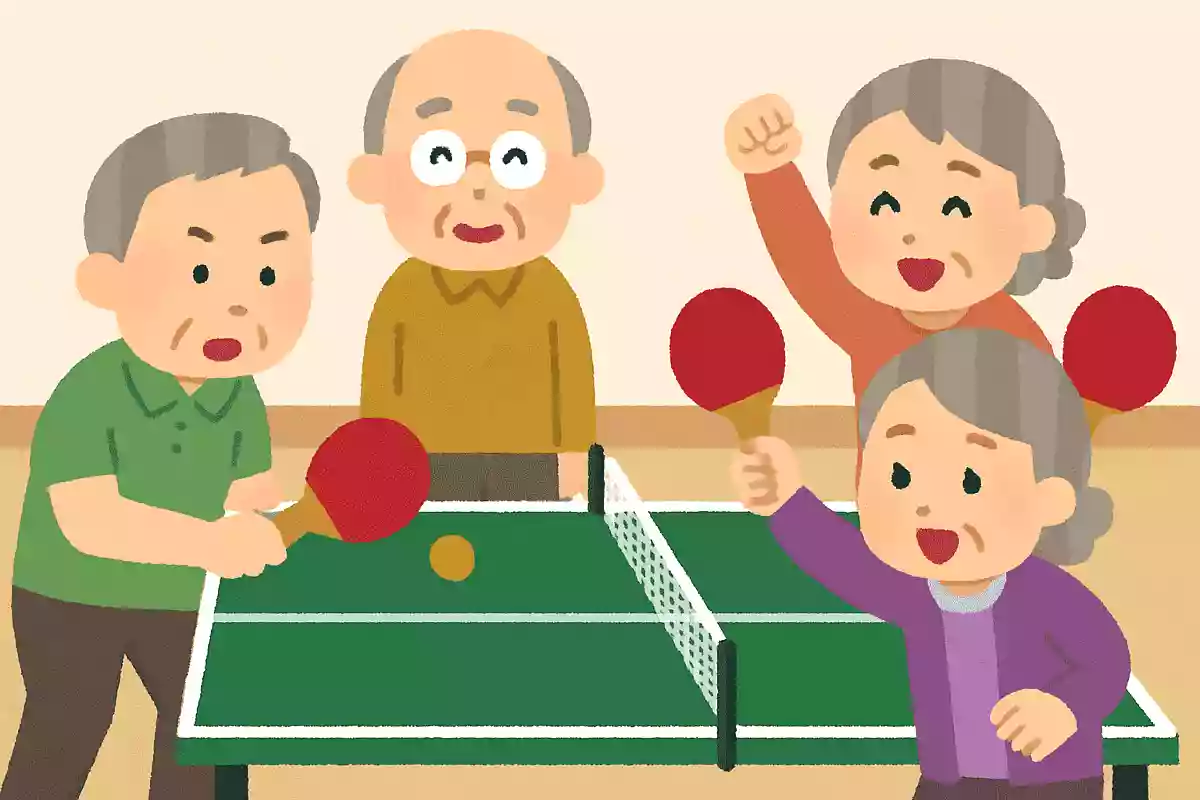
The sport in question—many older people might say they used to play it often, especially with the recent boom—what could it be? Here are some hints: it’s a sport that uses a heavy ball, and you throw that ball toward a specific target.
The answer is bowling! At the time, there were over 3,500 bowling alleys nationwide, and many people owned their own shoes and balls.
Numerous star players emerged as well, such as Kayoko Suda and Ritsuko Nakayama.

Lottery tickets were first sold in 1945 (Showa 20). At the time, four losing tickets could be exchanged for something. What was that something?52rank/position
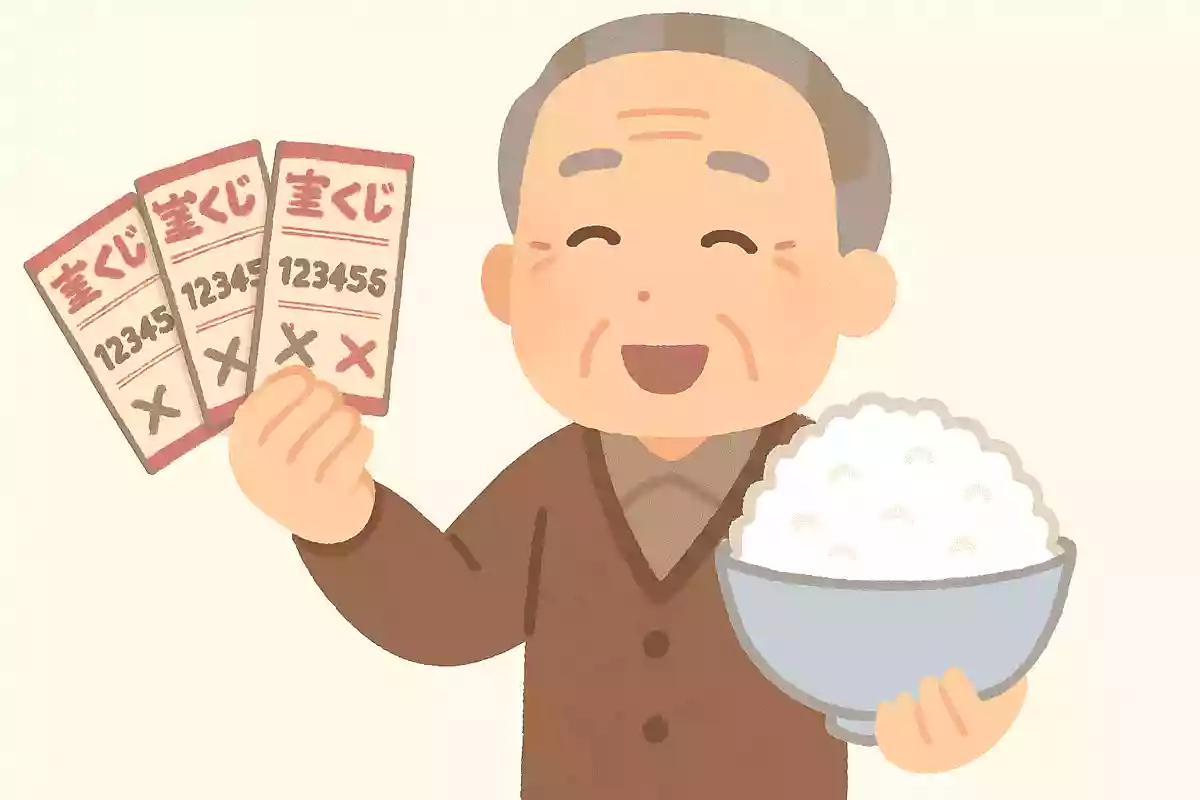
The first time lottery tickets were sold was in July 1945, just before the end of the war.
The price was 10 yen per ticket, and the top prize was 100,000 yen.
Back then, there was a system where four losing tickets could be exchanged for something—and that something was, incredibly, ten cigarettes, known at the time as “kinshi”! While alcohol as a prize might still make sense, a lottery that gives cigarettes as prizes is unimaginable today.
For those who remember it, this must be a nostalgic episode that reflects how times have changed.

There used to be a part-time job where workers pushed people into crowded trains when they couldn’t get on. What is the name of this job, which was introduced at what is now JR Shinjuku Station in 1955?53rank/position
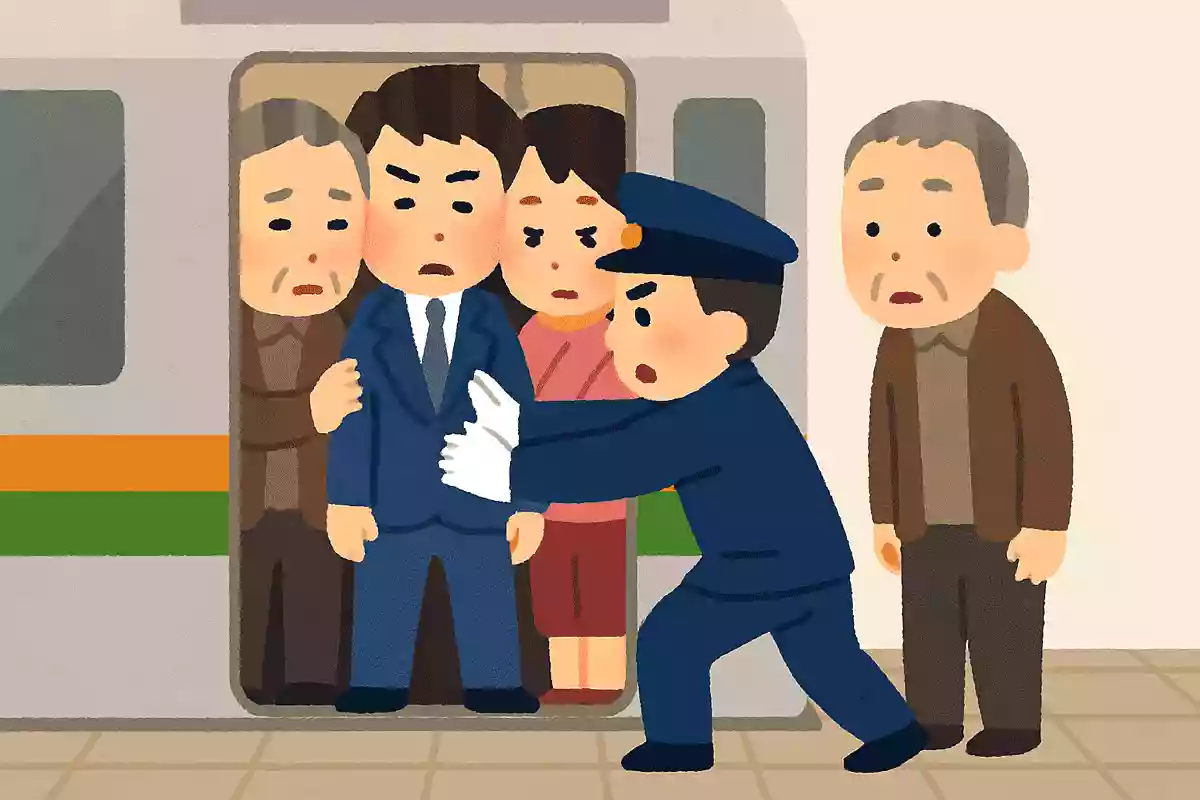
The part-time workers hired to push people into trains when they couldn’t board the packed cars introduced at what is now JR Shinjuku Station in 1955 (Showa 30) were called “oshiya” (pushers).
As commuting rush-hour congestion worsened and delays became routine, these oshiaya—mainly student part-timers—were brought in to ensure on-time departures.
You might think that in today’s world, where announcements sometimes say “Please don’t push,” this job would have disappeared, but it turns out they are still regularly recruited as “service staff” to help prevent delays and ensure safety.
What is the term for an older sister on the father’s side or the mother’s side?54rank/position

- aunt
- aunt (father’s older sister)
See the answer
aunt (father’s older sister)
There may not be many people who clearly understand and use the difference between “伯母” and “叔母.” The answer is that 伯母 refers to an older sister of one of your parents, while 叔母 refers to a younger sister of one of your parents. If you memorize just one of them, you can easily recall the other by association!
A wordplay character using ‘ri’ and numbers55rank/position

Let’s think by combining characters! Here’s a wordplay puzzle that uses the character “り” and numbers.
You see the string “り234り6.” Without a hint, many people might find it hard to reach the answer.
The hint is that the numbers “1” and “5” have been replaced by “り.” The correct answer is “strawberry picking.” Some of you may have had the experience of picking and eating strawberries at a strawberry farm.
This was a puzzle that makes you crave sweet strawberries!
Red bean and cheese hotteok56rank/position

How about trying “anko cheese hotteok,” where the sweetness of red bean paste and the saltiness of cheese create a wonderfully exquisite balance? Hotteok is a traditional snack that’s popular at Korean street stalls.
Some older adults may not be familiar with it, so this is a great chance to try a new flavor! It’s very easy to make.
Put the ingredients in a bowl and knead until there’s no dry flour left.
Since we’re using pancake mix, it’s nice that you can make it with just a few ingredients.
Wrap smooth red bean paste and cheese in the dough, seal it tightly, and then cook it.
Using a griddle lets you enjoy the cooking process, too.
Relax and enjoy the soothing combination of gooey, melty cheese and sweet anko!
