

Recreation Popularity Rankings for Seniors

We’ll introduce recreational activities for seniors in a ranked format.
The focus is on indoor activities that can be enjoyed even by those with weak legs or who have difficulty going out.
If you’re looking for recreation that seniors will enjoy, want games that can be done while seated, or need activities with simple rules, please use this as a reference.
These ideas can also be used during recreation time at day service centers and care facilities.
Let’s create fun moments together.
- [For Seniors] Easy and fun seated activities you can do in your room
- For Seniors: Fun and Lively Exercise Recreation
- [For Seniors] Simple Tabletop Games: Fun and Engaging Recreational Activities
- [For Seniors] Refresh Your Mood! Lively, Get-Moving Games
- Recreation Activities Effective for Long-Term Care Prevention for Seniors
- [For Seniors] Today’s Recommended Activity: Fun and Engaging
- [For Seniors] Simple Recreational Activities You Can Enjoy While Seated
- [For Seniors] Hand and finger play roundup: Finger exercises that lead to brain training
- For Seniors: Effective Recreation for Preventing Care Needs—Have Fun While Staying Healthy
- [For Seniors] Fun and Engaging Recreational Activities in Nursing Homes
- [For Seniors] Recommended Easy Strength Training
- [For Seniors] Have Fun and Relieve Stress! Introducing Dances Everyone Can Enjoy Together
- [For Seniors] Fun Autumn Activities: Recreation Games
Recreation Popularity Rankings for Seniors (11–20)
Word Fill-in-the-Blank Brain Training15rank/position

Whiteboard rec activities are perfect for recreations at large events and functions.
There are various types of whiteboard recs, but here we’ll introduce a word-fill version.
On the whiteboard, draw circles in rows—first 2, then 3, then 2—adjusting the number of circles up or down for each line.
In the circles, from the top row, insert the A-row of Japanese syllables: a, i, u, and so on.
The position where letters are inserted can be anywhere: at the beginning, the end, or elsewhere.
For example, for words that include the syllable “a,” ask seniors to think of a two-letter word that starts with “a” and have them answer.
The more letters there are, the higher the difficulty.

What is something you can’t write with your hands, but you can put on with your feet?16rank/position
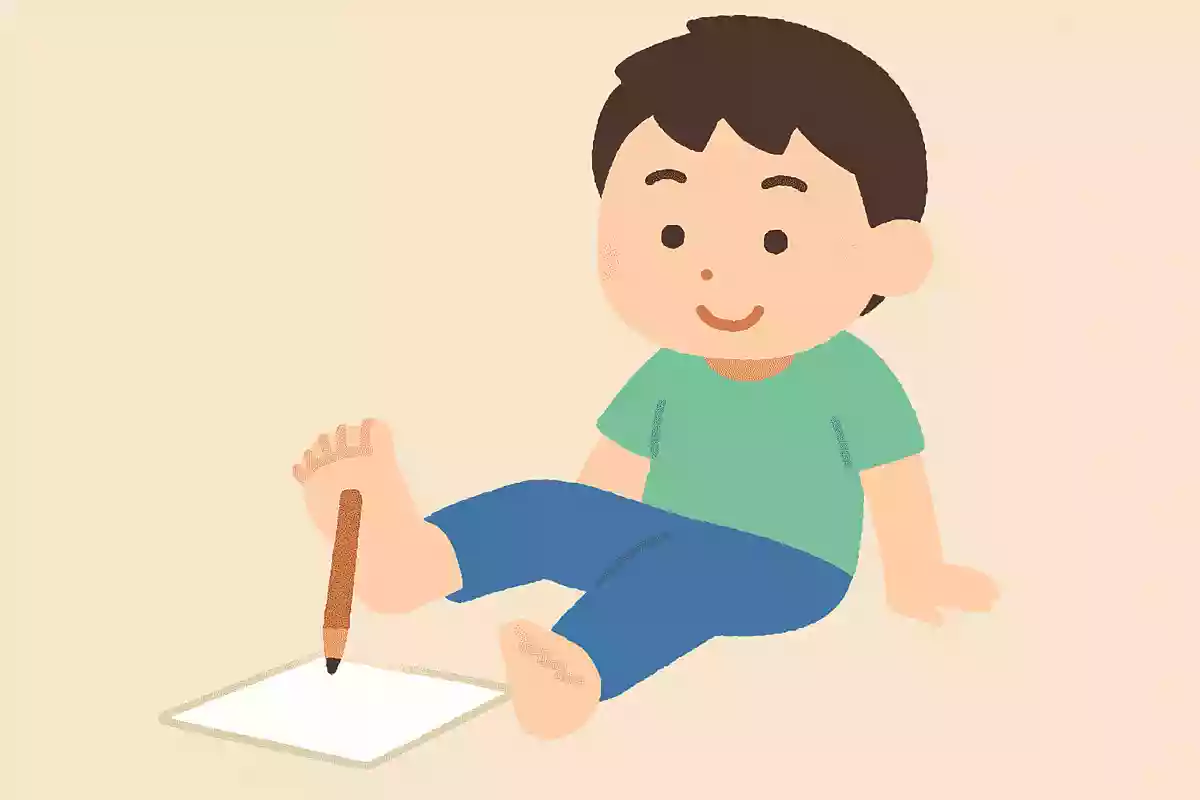
Let’s try a riddle about actions.
What is something you can’t “kaku” with your hands but can “kaku” with your feet? Many people might imagine letters, but the key is that it’s about an action! The answer is sitting cross-legged (agura).
In Japanese, we say “agura o kaku” to mean sitting comfortably with legs crossed.
You’re not writing letters or drawing pictures, but we still use the verb “kaku,” which is part of the fun of Japanese.
It’s a playful riddle where the same-sounding word changes meaning depending on how you interpret it.
Ten Times Quiz17rank/position

This is a quiz that stimulates thinking and oral function at the same time by having participants repeat a word 10 times and then answering a question.
For example, you might say “Say ‘pizza’ 10 times.
Okay, then what’s this?” while pointing to your elbow.
Many of you have probably heard that one.
Repeating a word 10 times uses the mouth muscles, making it effective for training chewing strength and for voice training.
Listening carefully to the question and answering without being swayed by the repeated word provides a brain-training effect.
It’s a fun way to maintain oral health whether with a small group or a large one, so please give it a try.

Brain-boosting riddles: activate your brain in 20 seconds18rank/position

Let me introduce a perfect brain-training game for when you want to consciously get your mind moving: “Brain-Boost Riddles: Activate Your Brain in 20 Seconds.” By thinking of answers within a short 20-second time limit, you naturally train your concentration and quick thinking.
The problems are simple yet clever, stimulating creativity and memory to promote brain activation.
The sense of achievement when you solve them boosts motivation, and continued practice can be expected to deliver real results.
It’s a brain-training idea that works great for lively group fun or at your own pace solo.
Boom with a rolled-up newspaper!19rank/position
The recreation where you crumple up newspaper and toss it in looks like fun.
Since you can do it while seated, older adults can join in with confidence.
Tearing and crumpling the newspaper also seems like good exercise for the hands.
When you aim for your team’s box and throw, everyone can get lively and excited together.
It’s also nice that you can see the results right away, which gives a sense of accomplishment.
It seems like it could help stimulate the brain, too.
The time spent cooperating and having fun together will surely become a wonderful memory.
ball toss (traditional Japanese beanbag/ball-throwing game)20rank/position

When it comes to classic sports day events, tamaire (ball toss) is a staple.
Teams are divided into red and white, and players throw balls toward a basket to see which team can get more in.
The basket is usually placed high up, but if you’re playing with older adults, set it at a height they can reach while seated.
Have each team sit in a circle with the basket placed in the center; that way, no one has to move around, and everyone can enjoy the game together.
Considering physical stamina, it might be best to keep the time limit short.

Recreation Popularity Rankings for Seniors (21–30)
In Japan, which of the following has the greatest number of stores?21rank/position
- dentist
- convenience store
See the answer
dentist
Convenience stores are often thought to be everywhere in every city, but in fact, there are more dental clinics! According to a 2019 survey by the Ministry of Health, Labour and Welfare, there were actually 10,000 more dental clinics than convenience stores. Now that you know that, you might start noticing dental clinics more often from now on.
