

Georg Friedrich Handel Popular Songs Ranking [2026]

Georg Friedrich Handel, a German-born composer known as a major figure of the late Baroque period.
Despite parental opposition, he immersed himself in music, and from a young age his extraordinary talent was evident—he surpassed his teachers in composition, organ, harpsichord, and violin.
In this article, we present a ranking of Georg Friedrich Handel’s most popular works.
Whether you’re a classical music enthusiast or not, be sure to check it out!
- Handel’s Masterpieces | A Comprehensive Introduction to His Popular Works
- George Frideric Handel Popular Songs Ranking [2026]
- Mendelssohn’s Masterpieces | Popular Classical Music
- [Haydn] Pick up famous and representative pieces!
- Jean-Philippe Rameau Popular Songs Ranking [2026]
- [Baroque Music] A Curated Selection of Timeless Masterpieces and Famous Works
- A famous piece by Georg Philipp Telemann. Popular classical music.
- Johann Nepomuk Hummel Popular Song Rankings [2026]
- Carl Maria von Weber Popular Song Rankings [2026]
- César Franck Popular Songs Ranking [2026]
- Niccolò Paganini Popular Song Rankings [2026]
- Gabriel Fauré Popular Songs Ranking [2026]
- François Couperin Popular Songs Ranking [2026]
Georg Friedrich Händel Popular Song Rankings [2026] (21–30)
impertinenceGeorg Friedrich Händel22rank/position

Impertinence means “inappropriate” or “fool,” but it is not clear why this title was chosen.
Unlike its peculiar title, the piece itself is simple yet elegant and has a calming effect on the listener.
Aria “Let Me Weep” from the opera RinaldoGeorg Friedrich Händel23rank/position

A piece from the opera Rinaldo, composed in 1711 by Baroque master George Frideric Handel.
It portrays the feelings of the heroine Almirena, who has been taken captive.
The work features a graceful melody over an accompaniment of strings and basso continuo.
Though simple, its powerful music highlights the singer’s emotional expression.
Since its premiere in 1711, it has been loved around the world, and in Japan it was used as an insert song in the TV dramas Botan to Bara and Churasan.
Its melody, which conveys a sense of hope even amid sorrow, is sure to resonate in the heart.
Oratorio Judas Maccabaeus, Act III: See, the Conqu’ring Hero ComesGeorg Friedrich Händel24rank/position

When you hear “the awards ceremony song,” isn’t this the melody many people think of? This famous tune, beloved in settings ranging from school sports days to many other occasions, was written in the 1740s by the Baroque master George Frideric Handel.
In fact, within the oratorio Judas Maccabaeus, this piece is performed as the people greet a hero returning victorious from battle with jubilant celebration.
Not only does it have a background perfectly suited to award scenes, but its dignified, stately melody impressed even Beethoven, who wrote a set of variations on its theme.
It’s said that Handel originally composed it for a different work, then incorporated it into this piece himself as a confident showpiece.
A song that proclaims the glory of victory in resounding tones—truly a triumphant march worthy of the name.
Arrival of the Queen of Sheba from the oratorio “Solomon”Georg Friedrich Händel25rank/position

Composed in 1748, Solomon is a grand oratorio based on the Old Testament.
One of its pieces, The Arrival of the Queen of Sheba, is a short instrumental work of about three minutes performed at the beginning of Act III.
It depicts the queen’s entrance and is a dazzling piece in which she is welcomed with music and dance.
With the clear rhythms and lively melodies characteristic of Baroque music, it has long been popular as background music in films and television.
It is also a favorite for wedding celebrations—brilliant and easy to enjoy.
Oratorio “Messiah” Part II, No. 23 “Hallelujah”Georg Friedrich Händel26rank/position

Hallelujah,” one of the most beloved pieces from the masterful oratorio Messiah by Georg Friedrich Handel, a genius composer of the Baroque era.
This majestic chorus crowns the final part of the grand narrative depicting Christ’s birth, Passion, and Resurrection.
Its powerful lyrics, drawn from Scripture, praise God’s omnipotence and eternal reign, expressing worship and reverence.
Stirring the soul through its weighty chorus and brilliant orchestration, this work also allows one to experience its sublime music fully at the piano.
“Hallelujah Chorus” from the oratorio “Messiah”Georg Friedrich Händel27rank/position
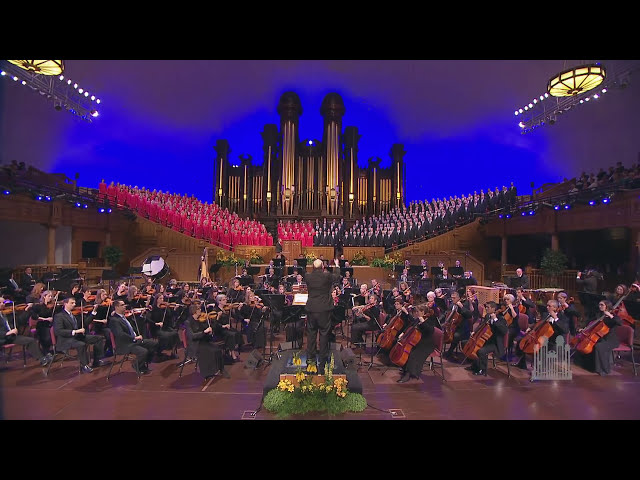
Among Handel’s sacred works, this is one of the most widely known pieces, premiered in 1743 before King George II.
According to legend, the king was so moved by the Hallelujah Chorus that he rose to his feet in applause, an episode often cited as a precursor to the modern standing ovation.
Oratorio “Judas Maccabaeus” HWV 63, Part III, No. 58 “See, the Conqu’ring Hero Comes”Georg Friedrich Händel28rank/position

Georg Friedrich Handel, a master of the Baroque era, left behind a wide range of works, including pieces for the harpsichord—the keyboard instrument of his time—as well as oratorios and songs.
Among them, See, the Conqu’ring Hero Comes from Part III of the oratorio Judas Maccabaeus is a moving piece that depicts a hero’s triumphant return.
With the addition of the choral parts, the emotions of liberation and jubilation among the Jewish people swell even further, stirring the hearts of listeners.
Beloved in many contexts, this masterpiece is one you will surely enjoy performing on the piano as well.