

Wolfgang Amadeus Mozart Popular Song Rankings [2026]

Wolfgang Amadeus Mozart is one of the most representative composers of classical music and produced numerous masterpieces in the past.
He is said to have had a tremendous impact on the history of music and to have built the foundations of musical art.
This time, we’re shining a spotlight on him.
We’ve compiled a ranked list of his most popular tracks based on play counts so far.
Whether you’re a longtime fan or new to his music, be sure to check it out.
- Mozart: An Introduction to His Signature and Popular Works
- Franz Joseph Haydn Popular Song Rankings [2026]
- [Masterpiece Classics] A special showcase of gem-like masterpieces so beautiful they’ll move you to tears
- Franz Schubert Popular Songs Ranking [2026]
- Ludwig van Beethoven Popular Songs Ranking [2026]
- Domenico Scarlatti Popular Songs Ranking [2026]
- J.S. Bach Popular Songs Ranking [2026]
- Johann Strauss II Popular Song Ranking [2026]
- Antonio Vivaldi Popular Song Ranking [2026]
- [Beginner-friendly] Easy Mozart piano pieces. Recommended Mozart works.
- Georg Philipp Telemann Popular Songs Ranking [2026]
- Anton Bruckner Popular Songs Ranking [2026]
- Antonín Dvořák Popular Songs Ranking [2026]
Wolfgang Amadeus Mozart Popular Songs Ranking [2026] (71–80)
I wonder what love is like.Wolfgang Amadeus Mozart71rank/position

When it comes to the most famous opera composer of the Classical period, it has to be Mozart.
He left masterpieces in a variety of forms, from symphonies to piano works, but the core of his art was opera.
This piece is one of the famous numbers from The Marriage of Figaro.
“Catalogue Aria” from the opera Don GiovanniWolfgang Amadeus Mozart72rank/position

A baritone singer from Uruguay in South America, he has gained popularity for his exotic, richly resonant voice and strikingly handsome appearance.
This piece is sung in the scene where the servant Leporello tries to calm the indignant Elvira as he reads from a notebook and tallies up his master’s womanizing.
‘What Is This Thing Called Love?’ from the opera The Marriage of FigaroWolfgang Amadeus Mozart73rank/position
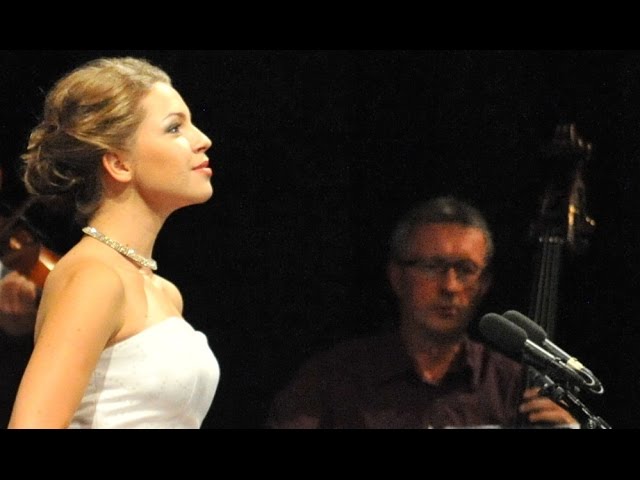
“Voi che sapete che cosa è amor” (“What is love?”) is a celebrated aria from Mozart’s masterpiece opera The Marriage of Figaro.
It shares its popularity with “Non più andrai” (“No more will you fly, little butterfly”) and is beloved for its gently sweet, beautiful melody.
Overture from the opera “The Marriage of Figaro”Wolfgang Amadeus Mozart74rank/position

An opera composed by Wolfgang Amadeus Mozart based on a satirical play by the French dramatist Beaumarchais.
It is an opera buffa in an overture and four acts, and in Japan the overture in particular is widely used in commercials, so even people who don’t usually pay attention to or listen to classical music have likely heard it.
Its dynamics, which truly embody the essence of the orchestra, offer a sense of power that’s hard to experience in other musical genres.
It’s a grand yet beautiful classical number that makes the brilliance of the orchestra easy to appreciate.

Duet of Papageno and Papagena from the opera The Magic FluteWolfgang Amadeus Mozart75rank/position

Wolfgang Amadeus Mozart left behind a vast number of compositions.
Among them, the duet “Papageno and Papagena” from the opera The Magic Flute features a rather unusual melody.
While it isn’t a composition designed to showcase the vocalist, it is a piece that demands a high level of vocal skill.

Fantasia for Mechanical Organ, K. 608Wolfgang Amadeus Mozart76rank/position

It may come as a surprise to think of Mozart having written organ music.
This piece is a fantasia for a mechanical organ—not played by a performer, but composed for a machine that automatically plays pre-programmed music, like a music box, powered by a spring or hand crank.
It is said to have been commissioned by an aristocratic art collector.
That in itself is quite fascinating.
While the music bears Mozart’s unmistakable touch, it is crafted to suit the organ, showcasing his remarkable talent.

Fantasy in C minorWolfgang Amadeus Mozart77rank/position

He is one of the composers representing Classical music, born in Austria.
Among his fantasies, this piece is unusual for Mozart—who typically favors major progressions—in that it is written in a minor progression.
Its comfortable tempo is very soothing, making it perfect for bedtime, among other times.