

Wolfgang Amadeus Mozart Popular Song Rankings [2026]

Wolfgang Amadeus Mozart is one of the most representative composers of classical music and produced numerous masterpieces in the past.
He is said to have had a tremendous impact on the history of music and to have built the foundations of musical art.
This time, we’re shining a spotlight on him.
We’ve compiled a ranked list of his most popular tracks based on play counts so far.
Whether you’re a longtime fan or new to his music, be sure to check it out.
- Mozart: An Introduction to His Signature and Popular Works
- Franz Joseph Haydn Popular Song Rankings [2026]
- [Masterpiece Classics] A special showcase of gem-like masterpieces so beautiful they’ll move you to tears
- Franz Schubert Popular Songs Ranking [2026]
- Ludwig van Beethoven Popular Songs Ranking [2026]
- Domenico Scarlatti Popular Songs Ranking [2026]
- J.S. Bach Popular Songs Ranking [2026]
- Johann Strauss II Popular Song Ranking [2026]
- Antonio Vivaldi Popular Song Ranking [2026]
- [Beginner-friendly] Easy Mozart piano pieces. Recommended Mozart works.
- Georg Philipp Telemann Popular Songs Ranking [2026]
- Anton Bruckner Popular Songs Ranking [2026]
- Antonín Dvořák Popular Songs Ranking [2026]
Wolfgang Amadeus Mozart Popular Songs Ranking [2026] (91–100)
Piano Sonata No. 11Wolfgang Amadeus Mozart99rank/position
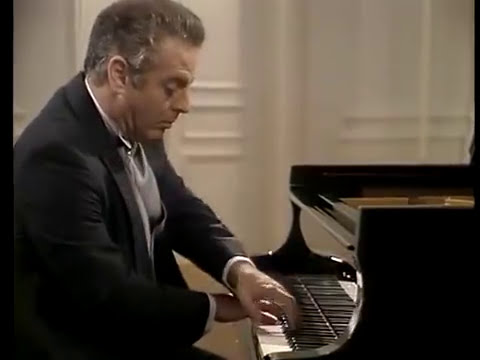
A piece by Wolfgang Amadeus Mozart, known as a representative composer of the Classical period, specifically the Viennese Classicism, who left numerous works in both vocal and instrumental music.
In particular, the third movement, “Turkish March,” is likely something even those who don’t often listen to classical music have heard at least once.
The delicate tones of the piano help enhance concentration during remote work, which is often done alone.
With a development that never bores the listener, it’s an excellent track for background music and a classical number that helps you get more done.

Twelve Variations on “Ah, vous dirai-je, Maman” (Variations on the French song), Kira-Kira Star VariationsWolfgang Amadeus Mozart100rank/position

Among Mozart’s piano pieces, this is a famous and frequently performed favorite at concerts.
Its official title is “12 Variations on the French Song ‘Ah, vous dirai-je, Maman’,” but because it uses the familiar children’s song “Twinkle, Twinkle, Little Star” as its theme, it has come to be known in Japan as the “Twinkle, Twinkle Little Star Variations.” The theme is transformed through successive variations, shifting to minor keys, becoming grand and expansive, and displaying a wide range of expressions.