

Introducing Maurice Ravel’s Famous and Representative Works

Maurice Ravel, one of the most important figures in Impressionist music.
His works are meticulously crafted down to the finest details, grounded firmly in classical forms while blending in Impressionist expression.
As a result, his music has a uniquely singular character that only he could create.
He also arranged works by other composers for orchestra, and his outstanding orchestration earned him the nicknames “genius of orchestration” and “magician of the orchestra.”
In this article, we introduce Ravel’s masterpieces and signature works.
Even if you’re not familiar with classical music, there are pieces you have probably heard somewhere at least once.
Enjoy the many wonderful masterpieces of Ravel!
- Masterpieces of the bolero. Recommended popular pieces in bolero form and outstanding performances.
- [Masterpiece Classics] A special showcase of gem-like masterpieces so beautiful they’ll move you to tears
- Debussy’s masterpiece. Popular classical music.
- Timelessly beautiful classical masterpieces. Recommended classical music.
- Gabriel Fauré | Introduction to His Famous and Representative Works
- [Orchestra] Introducing famous and popular pieces
- Masterpieces of Ballet Music: Introducing Classic Favorites
- Impressionist Music: A Comprehensive Introduction to Masterpieces of the Impressionist Movement That Enliven Classical Music History
- [François Couperin] Introducing famous and popular pieces by the composer who loved the harpsichord
- Mendelssohn’s Masterpieces | Popular Classical Music
- [For Advanced Players] A Curated Selection of Classical Masterpieces to Tackle at Piano Recitals
- Rachmaninoff’s masterpieces. Recommended pieces by Rachmaninoff.
- [Impressionist Music] A Selection of Classical Works That Evoke the Japanese Spirit
[Maurice Ravel] Introducing Famous and Representative Works (81–90)
Pavane for a Dead QueenMaurice Ravel

When people are asked about masterpieces of piano music, many probably think of Pavane for a Dead Princess.
This work is a masterpiece by Maurice Ravel, a composer whose avant-garde musical language had a profound influence on contemporary music.
While Ravel did not state his evaluation of the piece during his lifetime, in his later years he expressed a special sentiment toward it.
Knowing this background can make the work even more moving, so be sure to check it out.

Don Quixote, who has set his heart on Princess DulcineaMaurice Ravel

Composed in 1932–33.
A vocal work with orchestral accompaniment.
The poems are by Paul Morand.
It originated when a film production company making a movie titled Don Quixote commissioned songs for inclusion in the film.
However, the company had actually commissioned multiple composers, and in the end Ibert’s work was chosen, so Ravel’s pieces were not used in the film.
Nonetheless, they began to be performed as concert works and also in a version with piano accompaniment.
Three SongsMaurice Ravel

A work for unaccompanied mixed chorus.
It consists of “Nicolette,” “Three Beautiful Birds of Paradise,” and “Ronde.” Composed in 1914–15, with texts by Ravel himself.
In “Three Beautiful Birds of Paradise,” the three birds are blue, white, and red—the colors of the French flag—reflecting lyrics written out of concern for the nation during World War I.
In “Ronde,” the lyrics frequently mention the names of fairies and witches.
Three Poems by Stéphane MallarméMaurice Ravel

A vocal work accompanied by woodwinds, piano, and string quartet.
It consists of three pieces: “Sighs,” “Vain Wish,” and “Leaping Out of the Jar in a Single Bound.” Mallarmé, a leading figure among 19th-century French Symbolist poets, exerted broad influence on musicians as well; Debussy also set “Sighs” and “Vain Wish” to music.
Song of the People of MadagascarMaurice Ravel
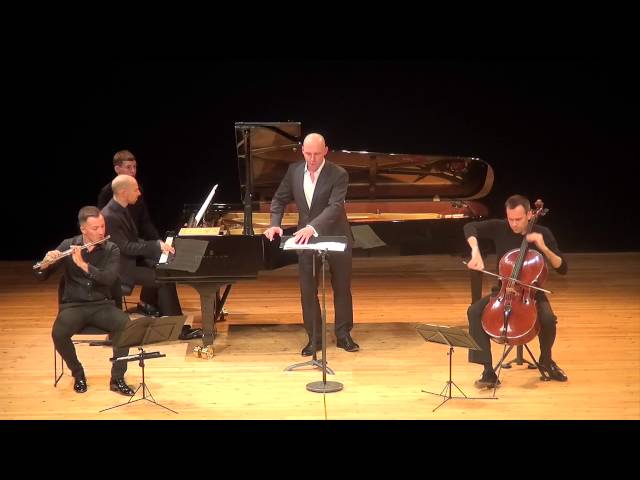
Composed in 1925–26.
At the request of Mrs.
Coolidge, an American who commissioned the work, Ravel accepted the specified instrumentation, resulting in a vocal piece accompanied by piano, flute, and cello.
He himself selected poems by Evariste Parny, an 18th-century poet born in the colonies, and set them to music.
The work consists of “N’Zang (Nandoav),” “Aoua! (Hey!),” and “Il est doux, il est bon (Rest—How Sweet It Is).” The poems, while exhibiting an exotic flavor, also embody sentiments opposed to colonial rule.
In conclusion
We’ve introduced some of Ravel’s masterpieces and signature works. Were you able to feel his one-of-a-kind music born from meticulous detail and impressionistic expressiveness? Many of his solo piano pieces also exist in orchestral arrangements, so be sure to give those a listen as well.