


“I want to express my goals with a four-character idiom!” Many elementary school students and educators probably feel the same way.
Four-character idioms are full of wonderful words that can motivate us in all kinds of situations—studies, daily life, club activities, and more.
In this article, we’ll introduce four-character idioms that are perfect for setting goals, along with clear explanations of their meanings.
Please use this as a reference to help children encounter empowering words that inspire them to strive toward their dreams and goals!
- Recommended for elementary school class goals! A collection of impactful ideas using four-character idioms
- [For Elementary School Students] Four-character idioms you can use in sports! Words that are helpful for cheering and goal setting
- Easy for elementary school students to remember! A four-character idiom that expresses the feeling of trying your best
- For Elementary School Students: Four-Character Idioms You Can Use for New Year’s Resolutions — How to Set Cool Goals!
- Four-character idioms that help elementary schoolers not give up: words that spark the power to keep trying
- Learn the meanings too! Cool four-character idioms that elementary school students will want to remember
- Perfect for elementary school slogans! A collection of four-character idiom ideas you'll want to use
- Easy-to-remember, positive four-character idioms for elementary school kids! Words that brighten the heart
- [Elementary School Students] Perfect for Kakizome! A Collection of Four-Character Idiom Ideas
- [For Elementary School Students] Inspiring Four-Character Idioms for Shaping the Future at a Glance! Words that Spark Courage
- [For Elementary Students] A Collection of Beautiful Four-Character Idioms to Know
- Interesting four-character idioms for elementary schoolers! Words you'll want to use once you understand their meanings
- Four-character idioms that help you achieve goals! Phrases you can use in everyday situations
Work hard toward your goals! Ideas for four-character idioms that resonate with elementary school students (1–10)
cooperation in unity5
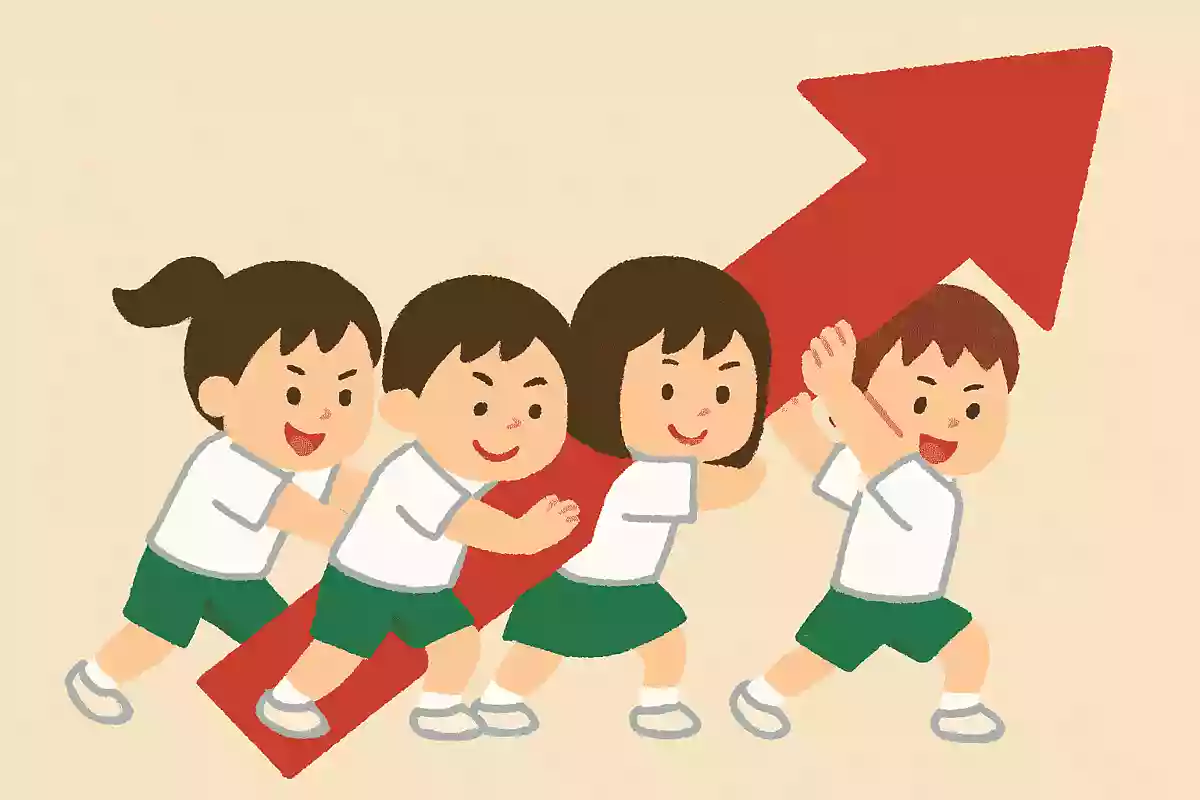
It’s a four-character idiom that expresses uniting hearts and joining forces, embodying a spirit of compromise and a drive to push forward.
When there are multiple people, differences of opinion can arise, but it conveys the idea of overcoming them and moving toward a shared goal.
It suggests an ideal in which exchanging views, setting a single objective, and advancing toward it unleashes great strength.
Rather than a phrase that simply seeks friendliness, it conveys a forward-driving attitude of mutually elevating one another and pressing ahead.

unity; standing together as one5

The four-character idiom “icchi danketsu” is often used as a slogan at events like sports festivals.
It means becoming one and cooperating together.
Even walls that can’t be overcome by one person can sometimes be surmounted when everyone combines their strength.
Acting with one heart toward the same goal brings friends closer and deepens relationships.
Since each person has a different way of thinking and a different personality, it’s not easy, but when your class is working toward a single goal, please remember this phrase.

giving it your all5
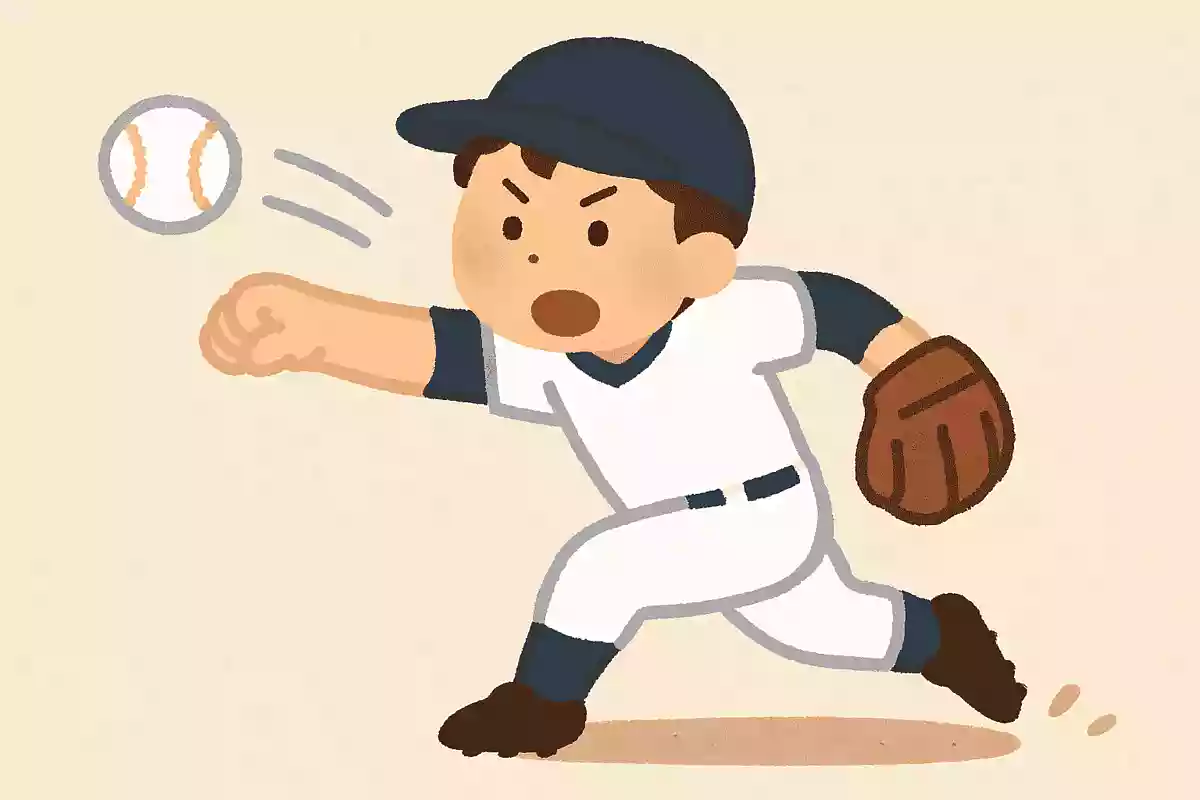
In baseball, when a pitcher throws the ball with all their strength, it’s called “zenryoku-tōkyū,” meaning a full-power pitch.
In other words, it means facing something by using all of your strength.
Don’t you also have moments when you need to give it your all? For example, before a sports match or a test.
You cut back on time for games or videos to practice or study, right? When we see that kind of dedication, we say, “That’s zenryoku-tōkyū.” Putting your whole heart into something and aiming higher is truly wonderful.
coexistence and mutual prosperity5

Living and succeeding by helping one another is called “coexistence and mutual prosperity.” It can be difficult in situations where there are winners and losers, but it’s wonderful when everyone can get along and work hard together.
That way, we can inspire each other, and by learning ways of thinking we ourselves don’t have, we may even increase our chances of success.
Instead of thinking only about yourself, please try to spend your days with kindness, keeping others in mind as well.
I’m sure that, in the end, it will come back around and benefit you too.
Stay true to your original intention.5
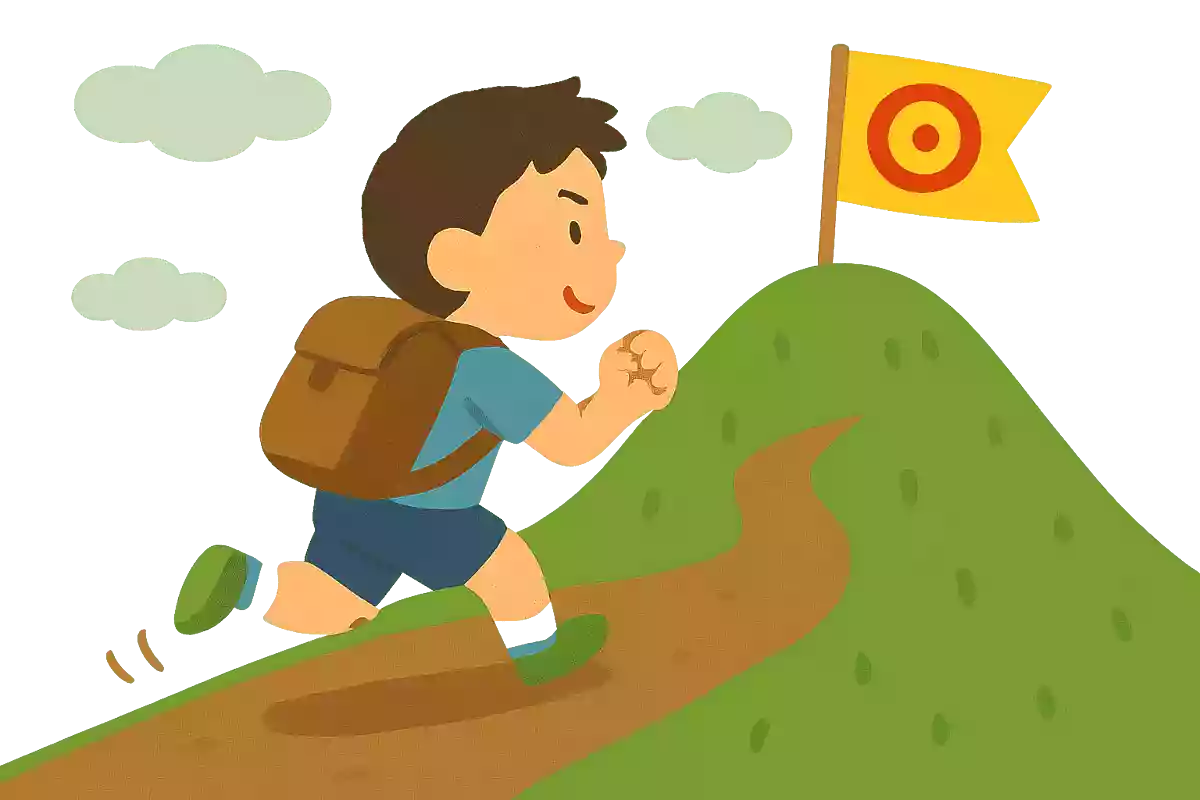
If you have goals and are working hard, be sure to remember this phrase.
Seeing through what you decided at the beginning to the very end—that is shoshi-kantetsu (carrying out one’s original intention).
If you’ve decided, “I’ll be top of the class on the test!” or “I’ll become a baseball player!”, then follow through to the end! When you feel you’re not getting closer to your goal, you might be tempted to just give up.
In moments when you feel like you’re about to lose to yourself, recall the four-character idiom shoshi-kantetsu and take a moment to reconsider why you’re pursuing that goal in the first place.
Grand unity5
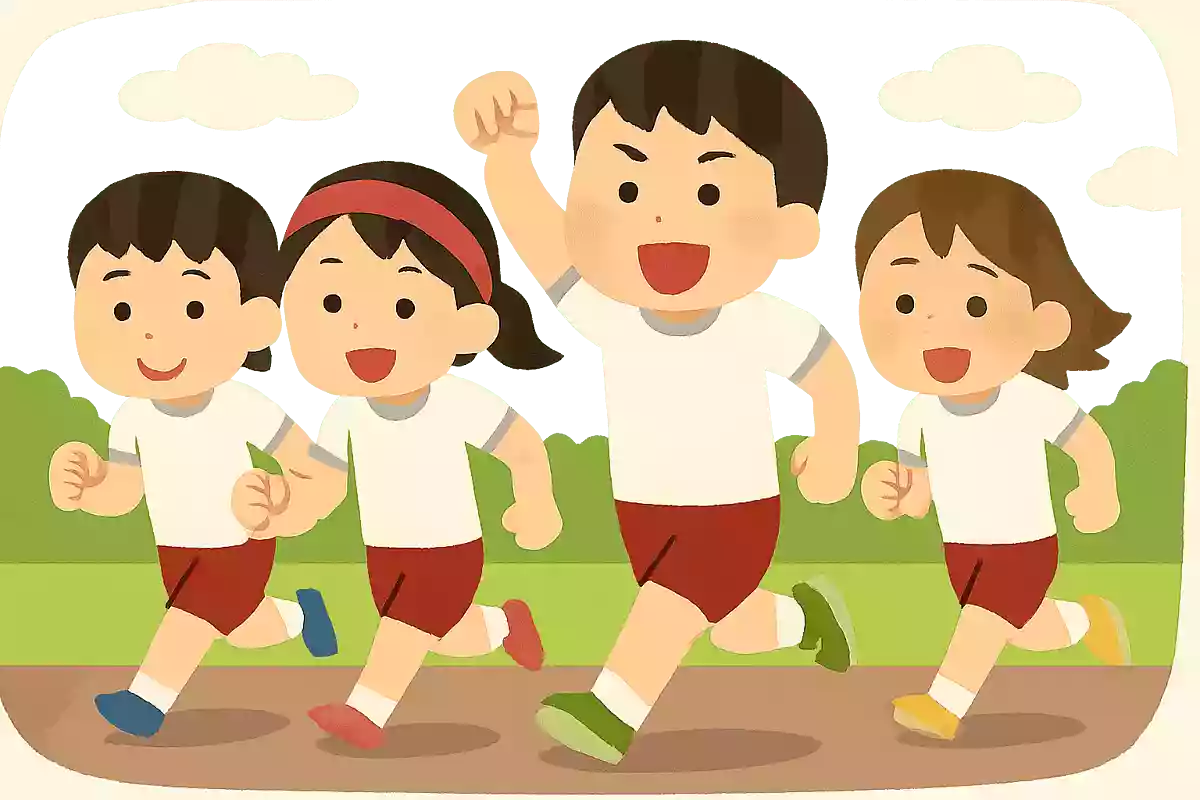
This is a four-character idiom that means different groups or parties overcome their differences, join forces, and unite for a common purpose.
Because of the Daidō Danketsu (Great Unity) movement in mid-Meiji Japan, the term also carries a strong political nuance.
Still, the idea of a large number of people advancing toward a goal conveys a sense of strength.
Moving forward together toward a major objective also entails seeking understanding from those around you, and within this brief phrase you can feel the resolve to win their acceptance.
Since the word presupposes many people combining their strength, it clearly conveys the sense of striving toward a grand ideal.
majestic and dignified5

Ifu Dodo (Pomp and Circumstance) refers to a very dignified, imposing appearance.
Imagine a small child standing before everyone, facing straight ahead with their back straight.
Ifu Dodo is basically a compliment, so if someone says, “You were ifu dodo,” they’re telling you, “You looked really cool!” That feels great, doesn’t it? When we’re anxious or scared, we tend to hunch our backs and look down, but that’s exactly when we should stand with a majestic, confident bearing—so our spirit doesn’t lose.
complete combustion5
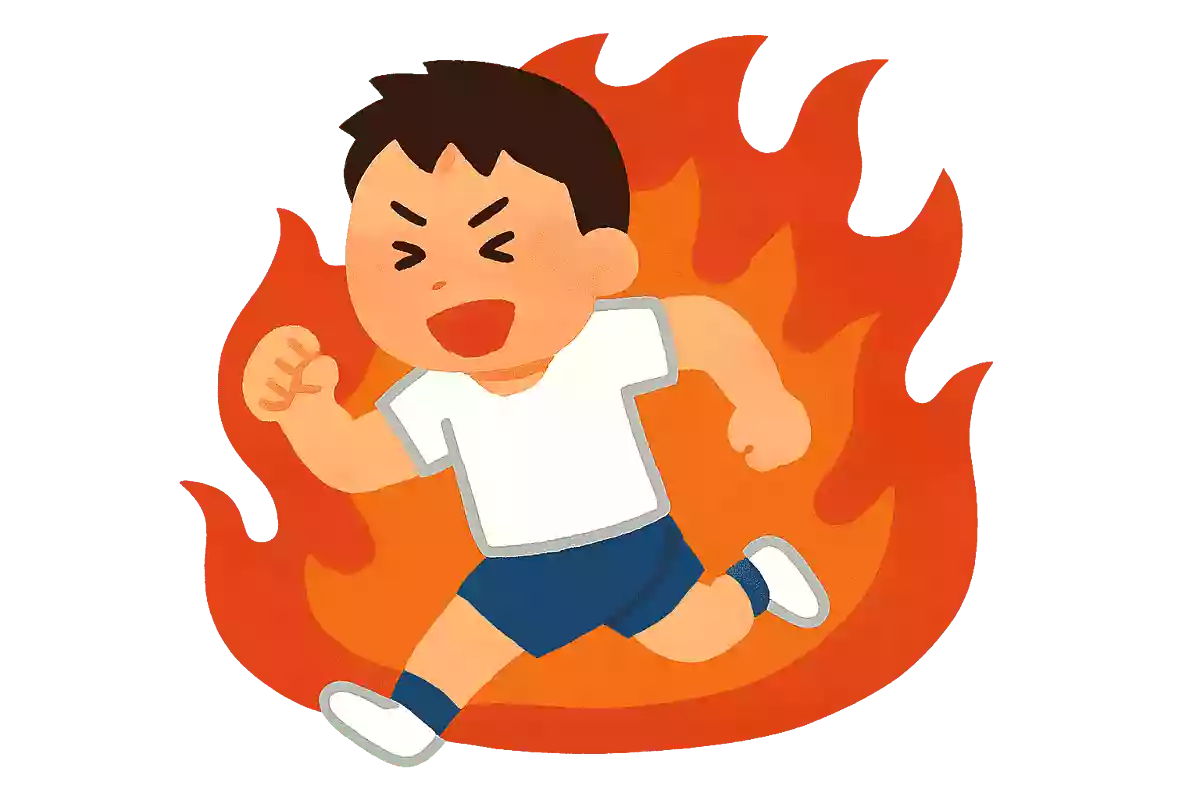
We call giving your all until the very end “kanzen-nenshō” (complete combustion).
You use it when you’ve put every bit of your strength into something.
For example, after sprinting at full speed in a sports day relay and crossing the finish line, you might say, “I completely burned out.” It can also be used after you’ve enjoyed something to the fullest.
Have you ever experienced complete combustion? In everyday life, it may be rare to get that engrossed or desperate, but I hope you try experiencing complete combustion at least once, as a way to understand your own limits.
Different bodies, one mind5
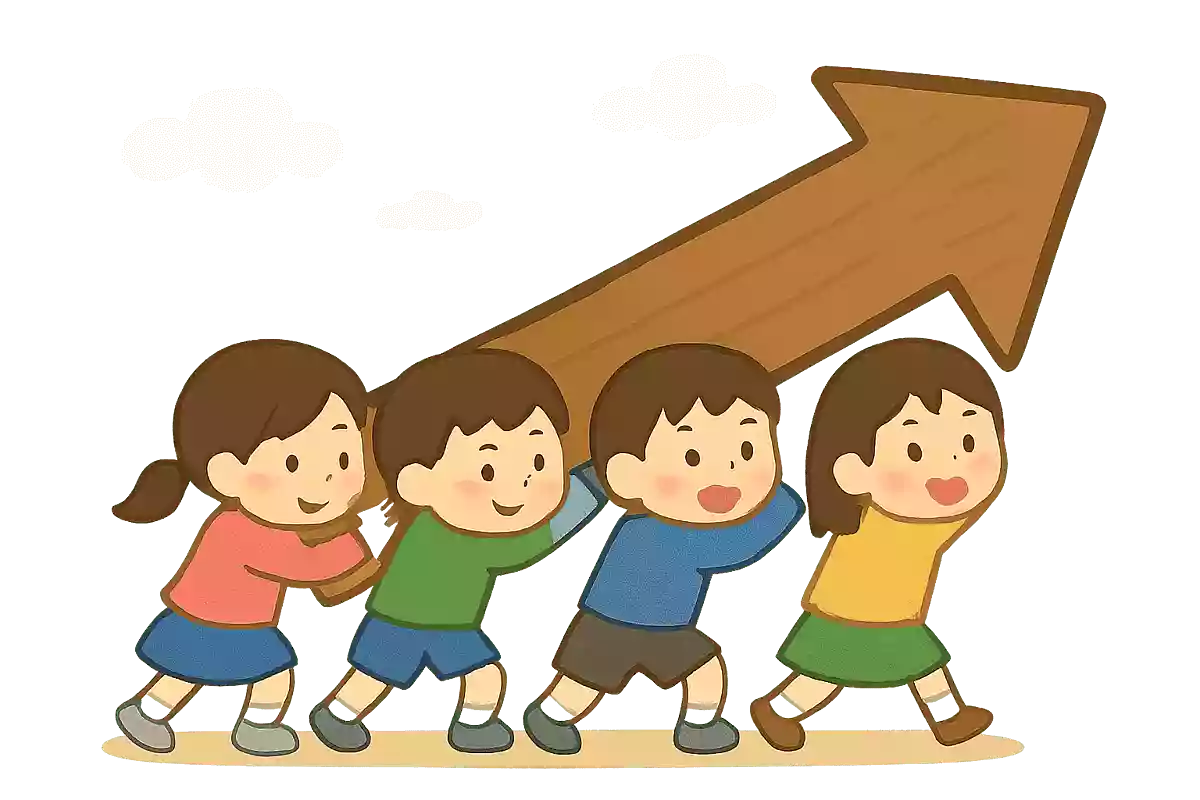
It means a deep relationship where, though your bodies are separate, your hearts are as one.
In other words, you care for each other and are very close.
When you’re aiming for a goal, there are times you can’t keep going alone.
But if you have close friends whose hearts are in tune with yours, you might be able to encourage each other and persevere.
A relationship where you can regard each other as precious is truly irreplaceable.
If you have friends with whom you can say you share itai-dōshin—different bodies, one heart—please cherish them.
strenuous effort; hard-fought struggle5

It’s a four-character idiom that expresses fighting with every ounce of strength and mustering the courage to face difficulties.
“Rikisen” conveys the state of battling with full force, while “funtō” conveys the act of rousing one’s spirit to confront challenges.
By combining these two stances of confrontation, the expression emphasizes a sense of power.
Another key point is that it contains two characters related to combat, clearly conveying the fact of standing up to a challenge.
Depending on how you pair it with your goal, you can strongly convey your own mindset.