

[For Elementary School Students] Turn Summer Memories into Haiku! A Collection of Fun Summer Haiku Ideas


How to write summer haiku—kids often struggle more than you’d expect, don’t they? We often hear, “Seasonal words are hard,” and “What should I write about?” But that’s okay! If children make the most of their natural, straightforward sensitivity, they can create delightful haiku.
For example, like this one: “At the summer festival, drinking ramune just for the glass marble.” It’s also great to put small everyday moments or feelings into words.
Here, we’ll share summer haiku ideas that even elementary school kids can enjoy.
From playful ways to get started to activities you can enjoy together with parents, you’re sure to discover something new.
- For summer vacation homework! Simple and amazing crafts for elementary school students that you’ll want to make after seeing them
- [5th Grade Elementary School] Independent Research Themes & Crafts | A Collection of Ideas That Lead to Learning
- [Summer Vacation Crafts for Lower Grades] Make It with Everyday Materials! Simple Yet Awesome Craft Ideas
- Recommended for elementary school students! Science fair topics & craft ideas
- Simple but awesome! Craft ideas for upper-grade girls
- [Summer Vacation Crafts] Stylish Ideas for Girls
- Elementary school kids will be hooked! A collection of fun craft ideas using disposable chopsticks
- DIY science projects that elementary school boys will love: ideas you can make with everyday materials
- Recommended for elementary school students! Ideas for composing summer haiku
- [Elementary School Senryu] A Collection of Hilarious Masterpieces about Summer Vacation, Friends, and School Life. Tips and Explanations Learned from Outstanding Works
- [For Elementary School Students] Spring Kigo for Haiku Writing! A Collection of Fun, Easy-to-Memorize Ideas
- For upper-grade boys! Simple yet awesome craft project [Don’t call it lazy]
- [Hand Sewing] Easy crafts recommended for elementary school students. Let's handmake something cute!
[For Elementary School Students] Summer Memories Turn into Haiku! A Collection of Fun Summer Haiku Ideas (1–10)
The front entrance mosquito-repellent incense guard
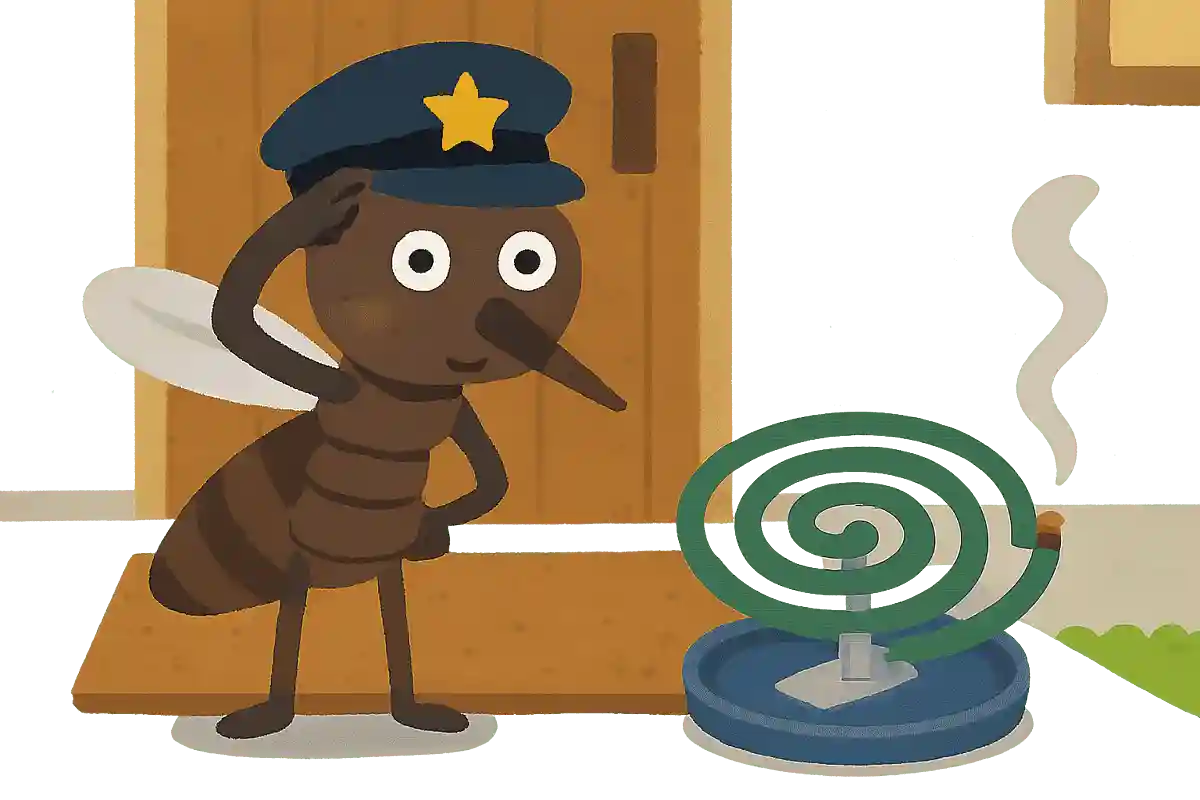
During the hot summer vacation season, many people are troubled by mosquitoes that make their way into the house.
This is a haiku that introduces how we kept those mosquitoes from getting inside and conveys a sense of trust in that method.
It’s a simple depiction of using mosquito coils placed by the front door to keep mosquitoes out, but by likening them to a security guard, it strongly emphasizes their effectiveness and strength.
It also reads like a recommendation to use mosquito coils based on real-life experience.

Summer vacation—if there’s no homework, it’s heaven.

During summer vacation, we want to make fun memories—but the thing that gets in the way of that fun time is homework.
This haiku portrays the pain of having to incorporate studying into those enjoyable moments because of homework.
It packs a strong sense of dissatisfaction into simple words, asking why we have to study during a break.
Instead of celebrating the fun memories of summer vacation, it deliberately depicts complaints about homework in haiku form, thereby firmly emphasizing that dissatisfaction.
Will I win? I lick the ice-pop stick again.
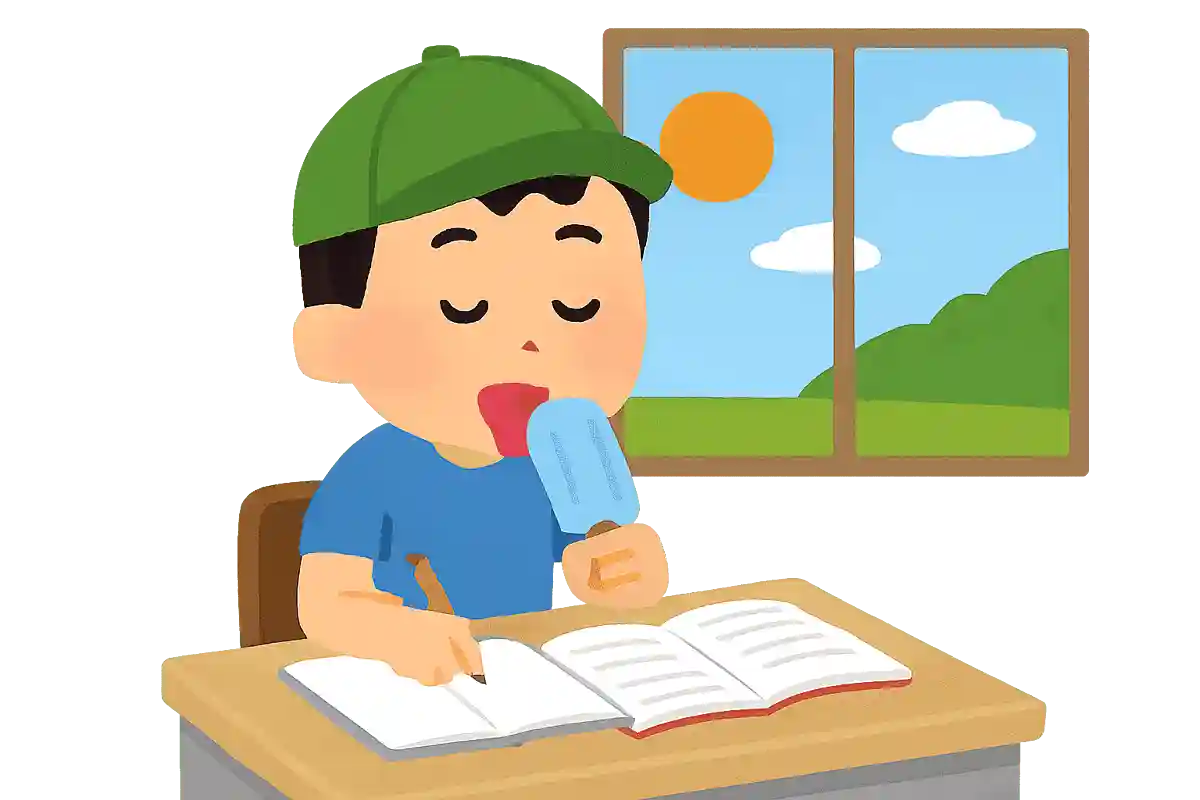
To get through the hot summer, ice cream is an essential item, isn’t it? Among all kinds of ice cream, this haiku focuses on the ones that come with a “winner” stick, capturing the anticipation of hoping to get a winning one.
Just getting a winner is delightful on its own, but from the way the next ice cream is eagerly awaited, you can really feel the summer heat, too.
The word “again” is also important—it evokes a comical image of someone giving in to the heat and eating ice cream over and over, each time hoping to win.
[For Elementary School Students] Turn Your Summer Memories into Haiku! A Collection of Fun Summer Haiku Ideas (11–20)
If you zone out during summer vacation, it’s over before you know it.

If you let your guard down during a break, time slips away in the blink of an eye.
This haiku captures the bewilderment you feel when you realize your summer vacation has ended before you knew it.
Many people can probably relate to not wanting to go outside because of the heat and just idly spending time at home until the days have passed.
The very fact of submitting such a haiku as summer homework also conveys the sadness of having let the vacation drift by.
Ideally, it’s a haiku you’d want to know at the start of summer break, to heighten the desire to make memories during the summer.
Shaved ice—before I knew it, it had melted.
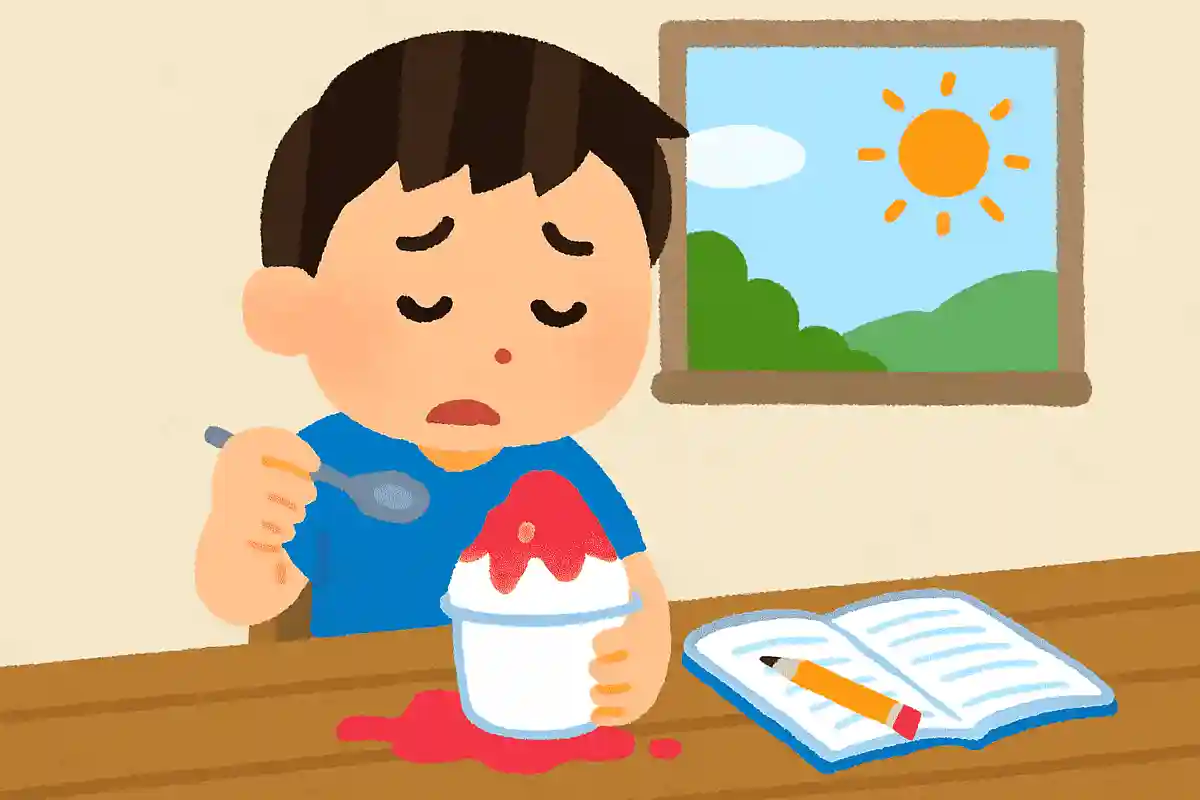
Kakigori is a classic summertime treat at festivals and the like—something that brings a cool respite in the heat.
Because the ice is finely shaved, it melts easily in the hot weather, so how quickly you eat it matters too.
This haiku depicts how such kakigori melts away in the blink of an eye.
It suggests a touch of sadness at how the texture you were looking forward to is lost while your guard is down.
You can also feel the speed at which it melts, which effectively conveys just how hot the summer was.
Skipping school to play—the opening ceremony day.

The more fun a time is, the faster it seems to fly by, doesn’t it? The fact that a summer vacation that should have felt long ends up seeming short is, I think, proof that you had a fulfilling break.
This haiku straightforwardly depicts how that kind of summer vacation sped by in a flash and how the writer faced it with full intensity.
The line about forgetting school to play even makes you wonder what happened to their homework.
The piece conveys the brisk pace of a satisfying summer vacation while also giving off a slightly comical vibe.
The cicadas’ cries serve as earplugs against the sermon.
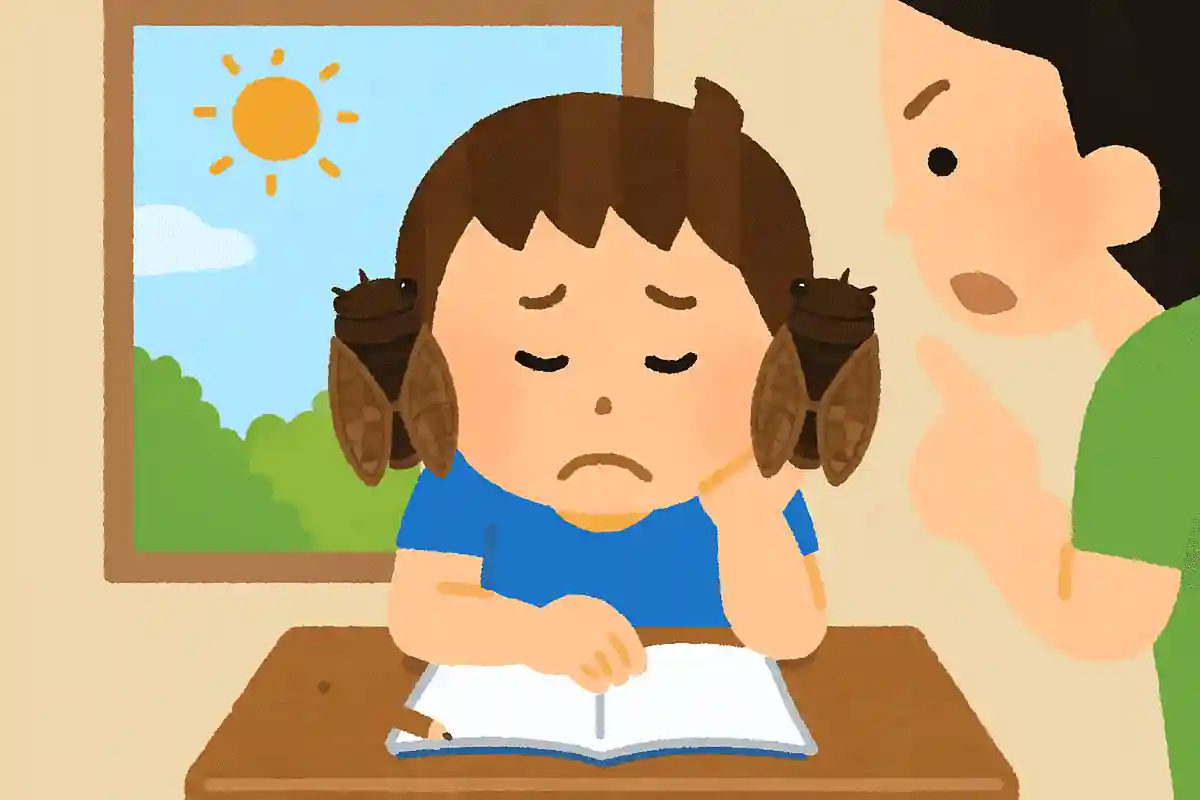
As summer hits its stride, the number of lively cicadas grows, and their buzzing gradually gets louder, doesn’t it? This haiku depicts how the peak-of-summer chorus of cicadas drowns out every other sound.
It focuses on the way the cicadas’ noise overpowers a scolding you’d rather not hear, even conveying a sense of gratitude toward the insects.
The image of someone not really listening gives it a comical feel, which is also memorable.
By comparing the scolding with the cicadas’ song, the haiku clearly expresses just how overwhelming cicada sounds are in summer.