

[For Elementary School Students] Turn Summer Memories into Haiku! A Collection of Fun Summer Haiku Ideas


How to write summer haiku—kids often struggle more than you’d expect, don’t they? We often hear, “Seasonal words are hard,” and “What should I write about?” But that’s okay! If children make the most of their natural, straightforward sensitivity, they can create delightful haiku.
For example, like this one: “At the summer festival, drinking ramune just for the glass marble.” It’s also great to put small everyday moments or feelings into words.
Here, we’ll share summer haiku ideas that even elementary school kids can enjoy.
From playful ways to get started to activities you can enjoy together with parents, you’re sure to discover something new.
- For summer vacation homework! Simple and amazing crafts for elementary school students that you’ll want to make after seeing them
- [5th Grade Elementary School] Independent Research Themes & Crafts | A Collection of Ideas That Lead to Learning
- [Summer Vacation Crafts for Lower Grades] Make It with Everyday Materials! Simple Yet Awesome Craft Ideas
- Recommended for elementary school students! Science fair topics & craft ideas
- Simple but awesome! Craft ideas for upper-grade girls
- [Summer Vacation Crafts] Stylish Ideas for Girls
- Elementary school kids will be hooked! A collection of fun craft ideas using disposable chopsticks
- DIY science projects that elementary school boys will love: ideas you can make with everyday materials
- Recommended for elementary school students! Ideas for composing summer haiku
- [Elementary School Senryu] A Collection of Hilarious Masterpieces about Summer Vacation, Friends, and School Life. Tips and Explanations Learned from Outstanding Works
- [For Elementary School Students] Spring Kigo for Haiku Writing! A Collection of Fun, Easy-to-Memorize Ideas
- For upper-grade boys! Simple yet awesome craft project [Don’t call it lazy]
- [Hand Sewing] Easy crafts recommended for elementary school students. Let's handmake something cute!
[For Elementary School Students] Summer Memories in Haiku! A Collection of Fun Summer Haiku Ideas (21–30)
Together with the goldfish, the memories I want to save.
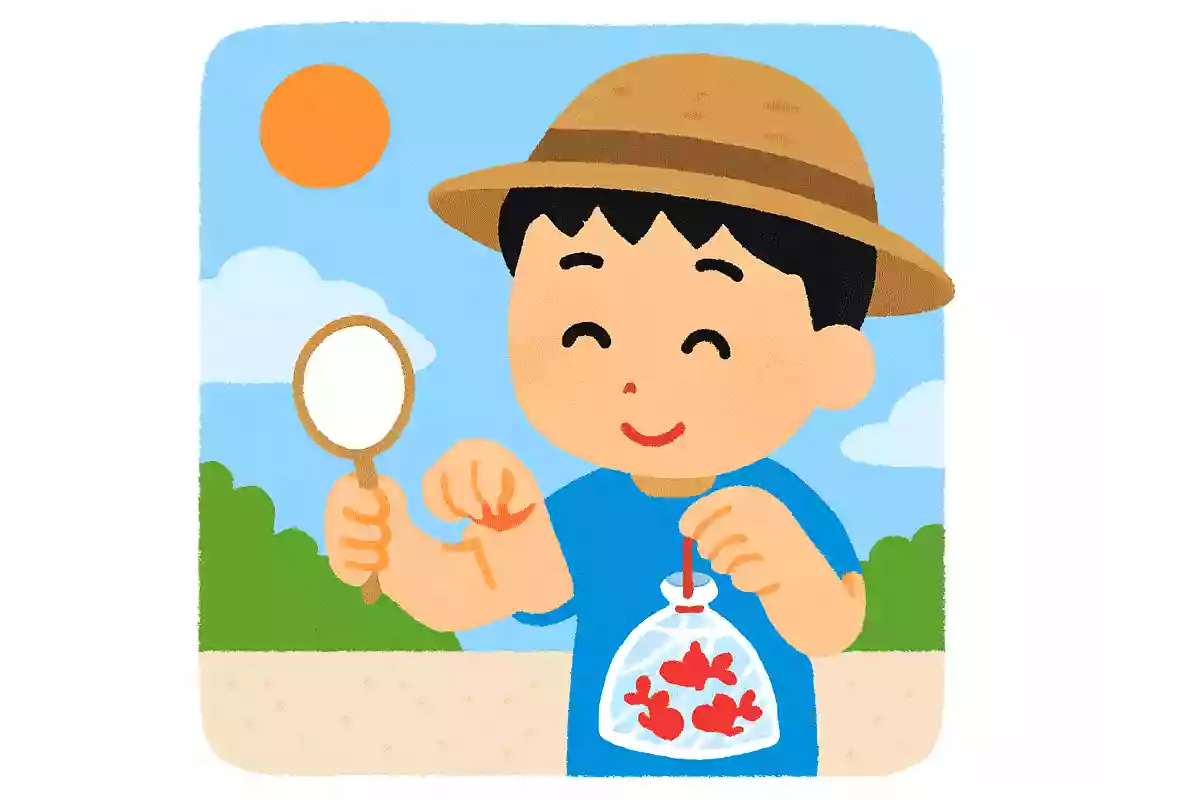
In summer, festivals are held in various places, and the usual stalls appear there too.
This haiku portrays someone trying to create summer memories with the theme of goldfish scooping, one of those festival classics.
Goldfish scooping is enjoyable in the moment, but it also tells us it’s an event whose fun continues afterward—when you watch the goldfish swimming at home, the memories come flooding back.
The word “together” also conveys a sense of affection, as if to say they want to raise the goldfish scooped here and nurture them from now on.

The sky that the sunflowers gaze at is clear and bright.

Sunflowers are flowers that symbolize summer, and because their blossoms face the sun, they strongly evoke an image of clear, sunny weather.
With sunflowers as our theme, let’s express a summer landscape filled with blooming sunflowers in the form of haiku.
The depiction of sunflowers facing the sky conveys both their lively, flourishing state and the fact that the sky is brilliantly clear.
It also conjures an image of looking up at the blue sky alongside the sunflowers, creating a refreshing sense of summer.
Me, lazing around again tomorrow during summer vacation.
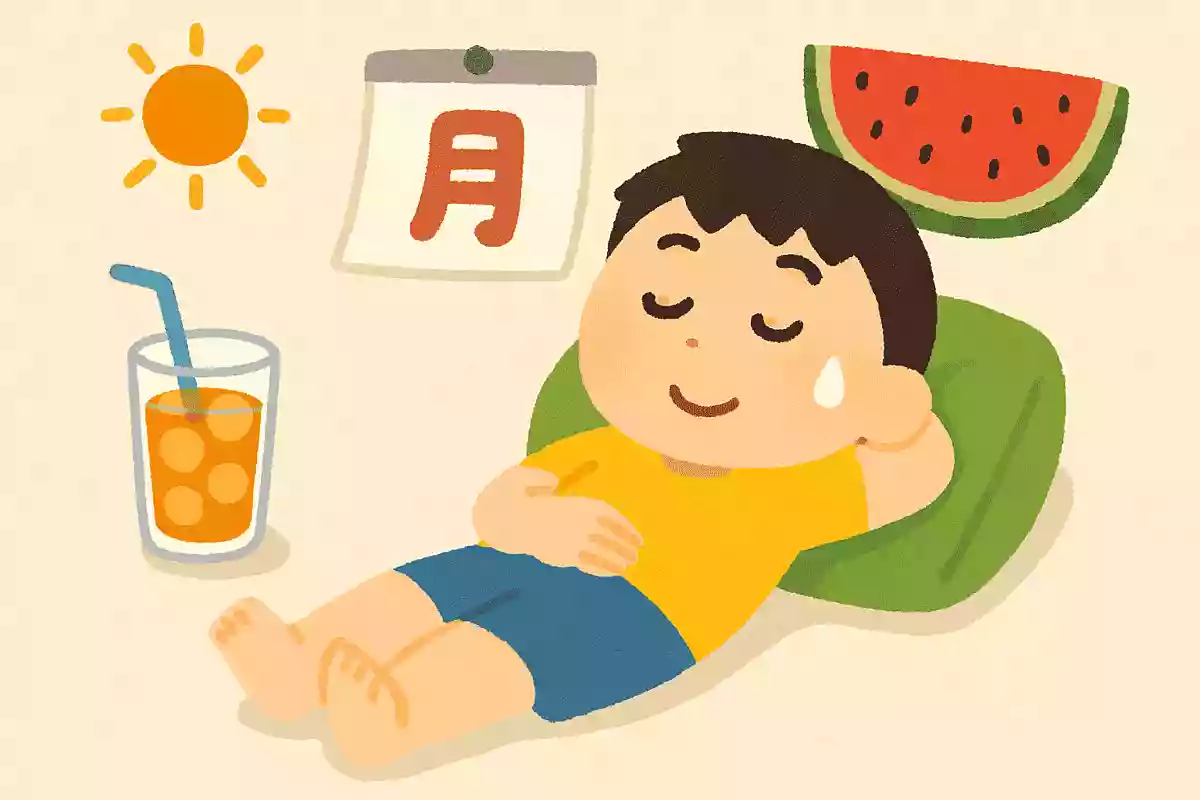
There are elementary schools where the summer vacation is longer than spring or winter break, right? During long vacations, children tend to fall into irregular routines.
This haiku seems to capture those kinds of days.
Especially during summer break, perhaps because of the heat, it’s easy to feel sluggish about moving the body.
Kids end up wanting to lounge around doing nothing.
It expresses children’s honest feelings.
Many parents probably get irritated seeing their kids lazing about, too.
You can even read into the family dynamics behind it, which adds a sense of uniqueness.

Mosquito coil guard at the entrance
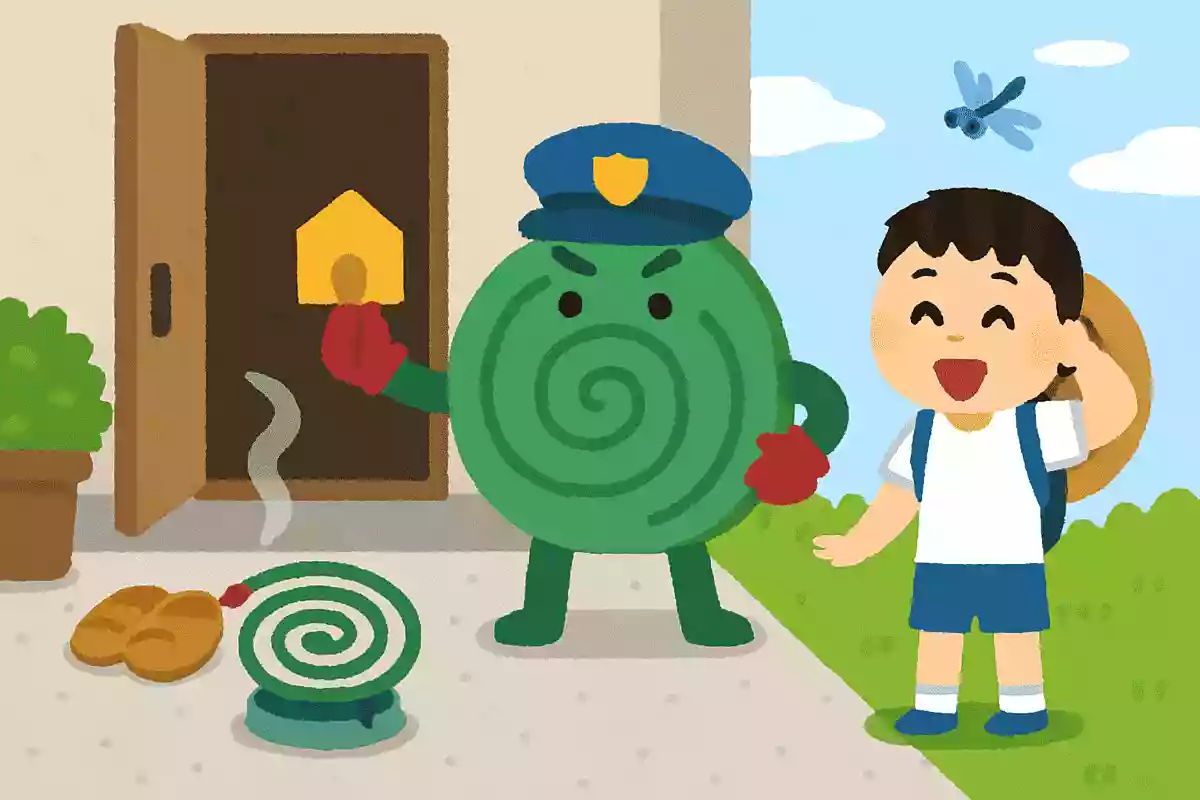
One of the nuisances of summer is mosquitoes that seem to come from nowhere, and mosquito coils are an essential item to keep them at bay.
This haiku expresses how reassuring it is to have a mosquito coil.
The scene is simple—placing a mosquito coil by the front door—but by adding the word “guardman,” it emphasizes the coil’s effectiveness and the sense of security it brings.
Evoking the image of the coil’s smoke, you can almost sense the scent wafting from the entrance and feel the summer breeze.
Cicada voices, seasonal letter, the mailman
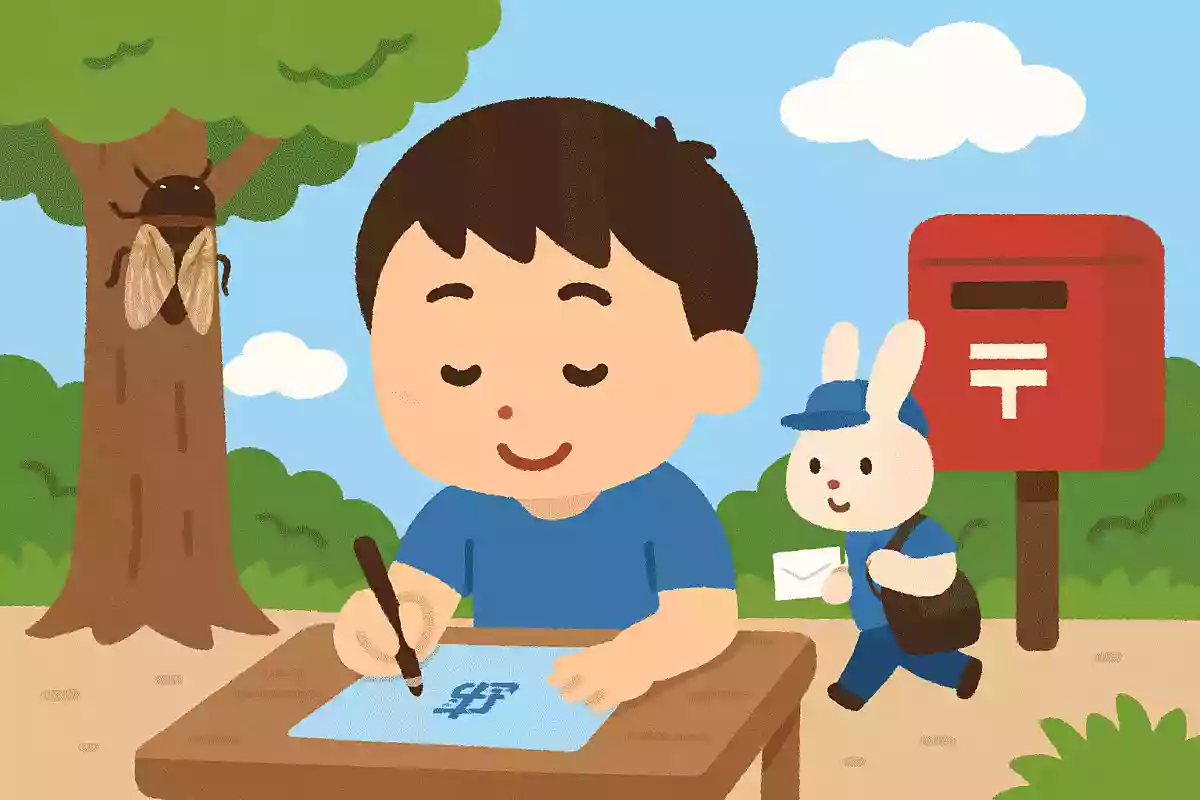
When it comes to the sounds of summer, cicadas are the classic example.
Even though they can feel noisy, hearing them makes you sense that summer has arrived.
This haiku expresses the arrival of a letter about the season while also evoking the feeling that summer has come through the sound of cicadas.
The key phrase is “a seasonal letter,” which not only suggests that a letter arrived in summer, but also conveys the idea that the cicadas themselves are announcing the change of seasons.
Through the sound of cicadas, it evokes both the heat and a certain freshness of the season.
At my grandmother’s house, this year again, I meet the cow frog.
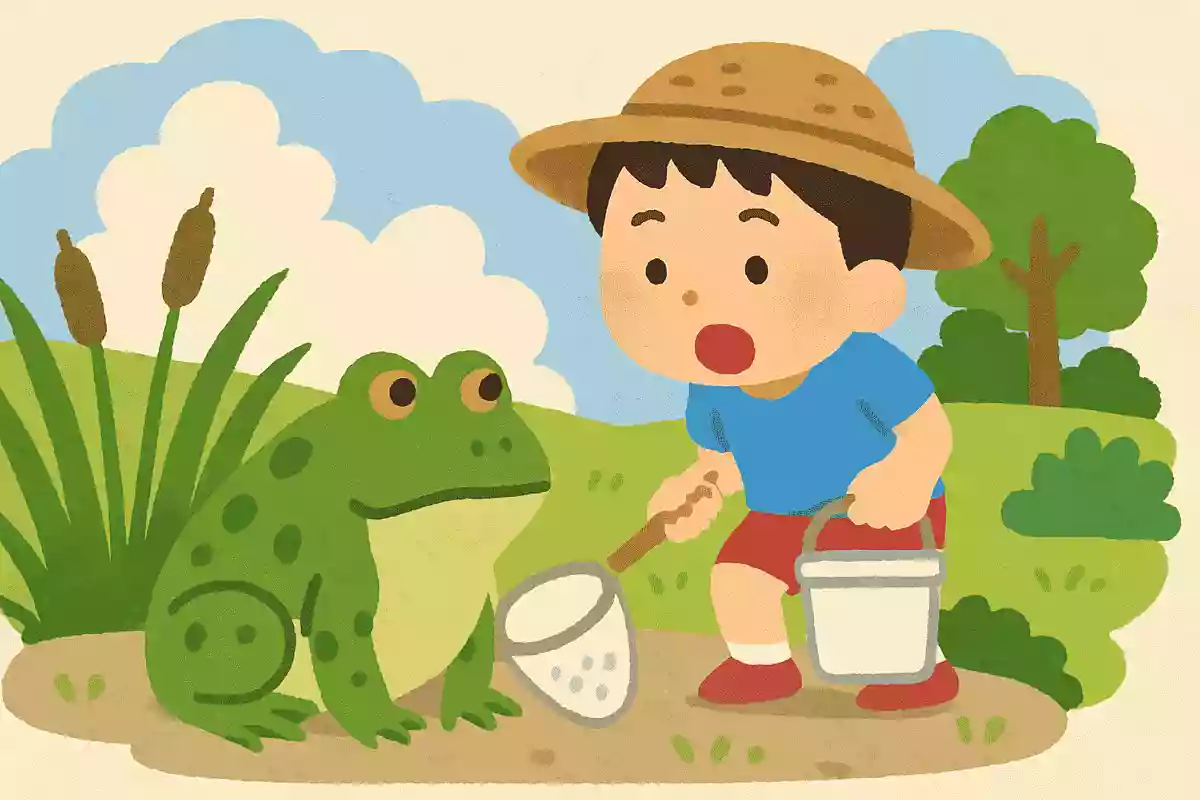
Many people visit the homes of grandparents who live far away during summer vacation, and there you find scenery different from what you usually see.
This haiku is about experiencing that unusual summer landscape, using the creatures you encounter there as its theme.
The creature that appears here is the bullfrog; this expression evokes an image of rich nature and even conveys the refreshing breezes of summer.
The phrase “this year as well” suggests that the bullfrog’s call is heard every year and that it is what makes one feel that summer has arrived.
My right foot that shot on a summer morning
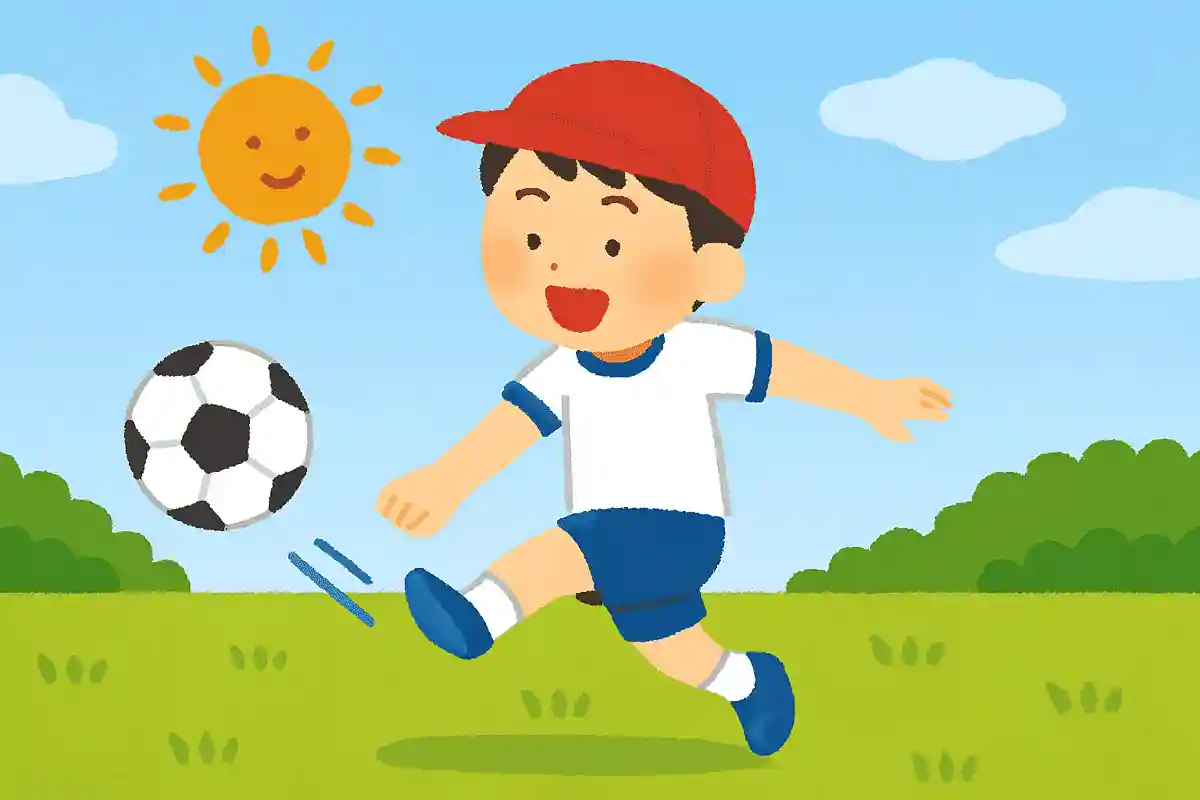
I imagine there are many elementary school students who are in soccer clubs or taking lessons.
Even on hot summer days, matches and daily practices are important time, aren’t they? Unlike basketball, soccer is a sport where it’s hard to score a goal.
Whether in practice or in a match, the moment you score, a feeling of joy must well up inside you.
You can sense the emotions of that exact moment the ball goes into the goal from the haiku, too.
It was probably a soccer session scheduled to avoid the hottest time of day in summer.
From “a summer morning,” you can also get a feel for everyday life.