

![[For Elementary School Students] Turn Summer Memories into Haiku! A Collection of Fun Summer Haiku Ideas](https://media.ragnet.co.jp/img/1200__png__https://www.studiorag.com/files/2025/05/2ddf5b3cfcd5e79ffbd8155ada7bfb2c.webp)


How to write summer haiku—kids often struggle more than you’d expect, don’t they? We often hear, “Seasonal words are hard,” and “What should I write about?” But that’s okay! If children make the most of their natural, straightforward sensitivity, they can create delightful haiku.
For example, like this one: “At the summer festival, drinking ramune just for the glass marble.” It’s also great to put small everyday moments or feelings into words.
Here, we’ll share summer haiku ideas that even elementary school kids can enjoy.
From playful ways to get started to activities you can enjoy together with parents, you’re sure to discover something new.
- For summer vacation homework! Simple and amazing crafts for elementary school students that you’ll want to make after seeing them
- [5th Grade Elementary School] Independent Research Themes & Crafts | A Collection of Ideas That Lead to Learning
- [Summer Vacation Crafts for Lower Grades] Make It with Everyday Materials! Simple Yet Awesome Craft Ideas
- Recommended for elementary school students! Science fair topics & craft ideas
- Simple but awesome! Craft ideas for upper-grade girls
- [Summer Vacation Crafts] Stylish Ideas for Girls
- Elementary school kids will be hooked! A collection of fun craft ideas using disposable chopsticks
- DIY science projects that elementary school boys will love: ideas you can make with everyday materials
- Recommended for elementary school students! Ideas for composing summer haiku
- [Elementary School Senryu] A Collection of Hilarious Masterpieces about Summer Vacation, Friends, and School Life. Tips and Explanations Learned from Outstanding Works
- [For Elementary School Students] Spring Kigo for Haiku Writing! A Collection of Fun, Easy-to-Memorize Ideas
- For upper-grade boys! Simple yet awesome craft project [Don’t call it lazy]
- [Hand Sewing] Easy crafts recommended for elementary school students. Let's handmake something cute!
[For Elementary School Students] Summer Memories Turn into Haiku! A Collection of Fun Summer Haiku Ideas (1–10)
Stag beetle, do you hate the hand that might pinch you?
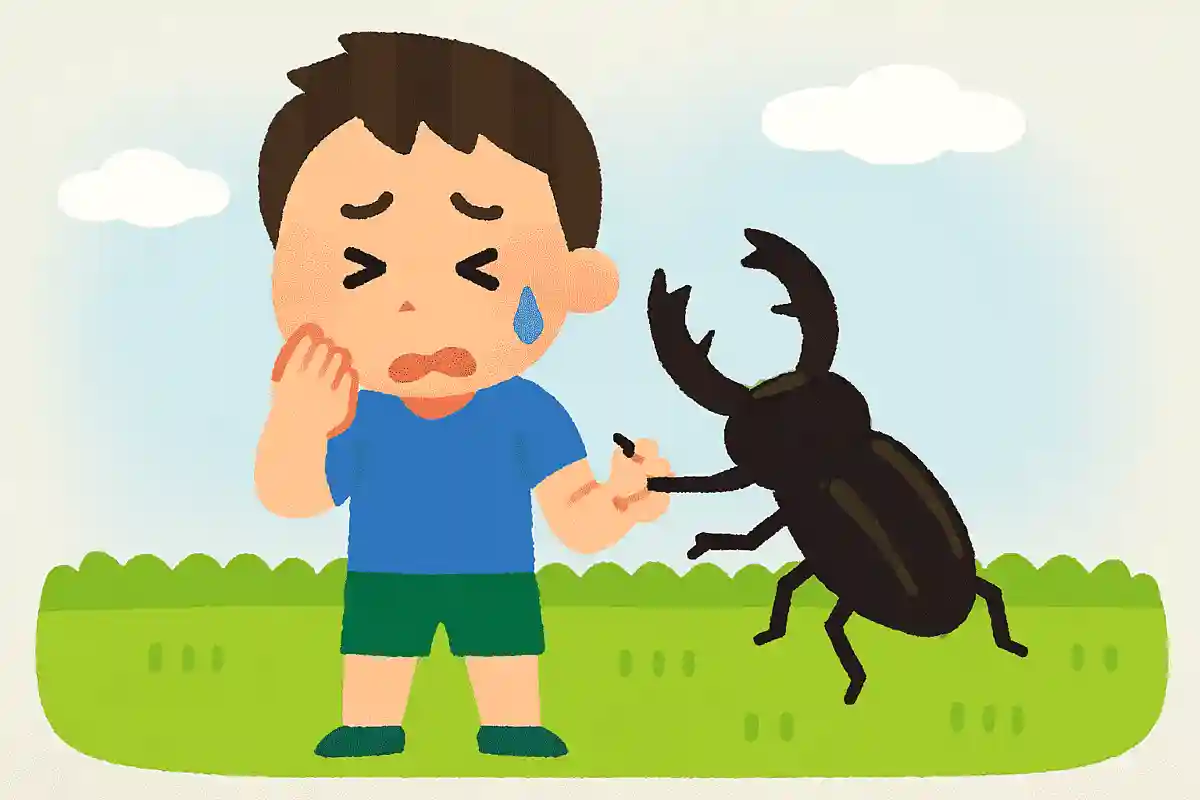
As a summer vacation activity, going insect collecting to look for rhinoceros beetles and stag beetles is a classic, isn’t it? It’s fun not only to search for where they’re hiding but also to think about how to lure them out.
Here is a haiku that depicts the moment when a stag beetle found during such an outing pinched someone’s hand, along with the flash of emotion that crossed their mind at that instant.
By describing the hand being pinched, it’s clear the stag beetle was being held, and the joy of finding it comes through.
The contrast between that high excitement and the pain of being pinched creates a comical atmosphere—an especially memorable touch.

Swat the fly, swat and swat, and swat again
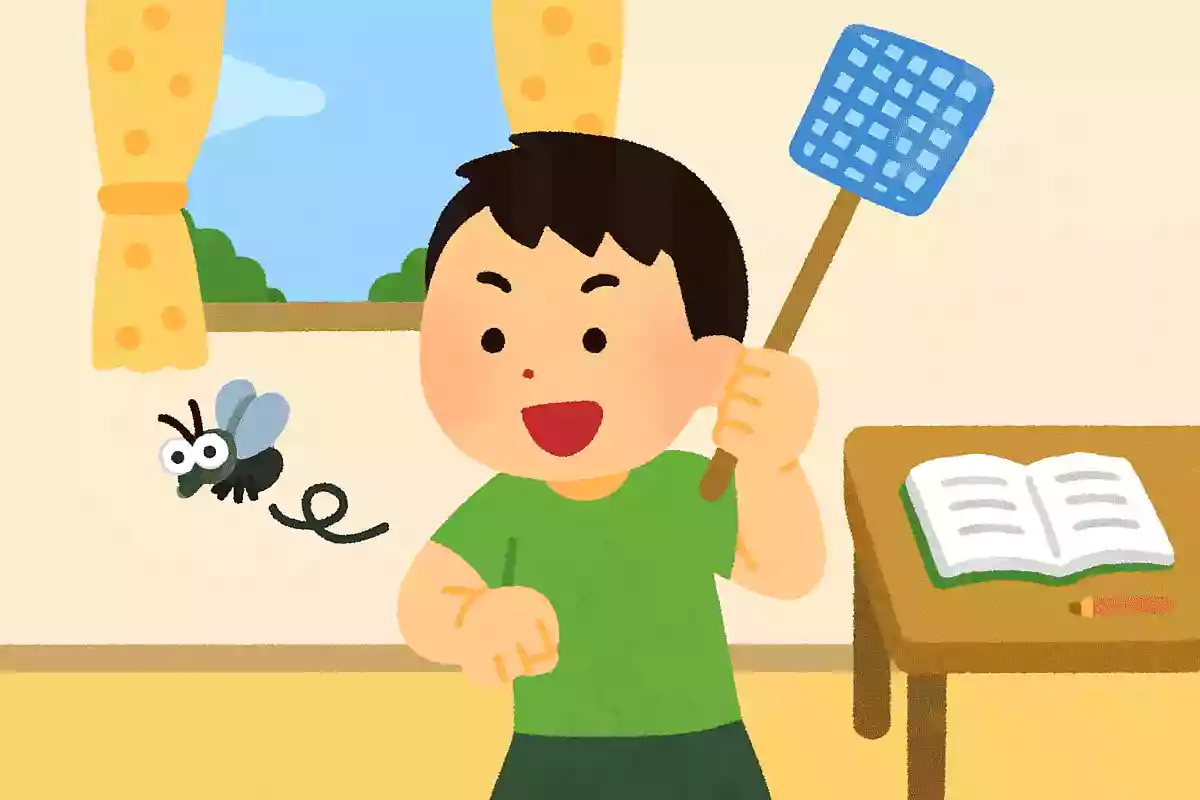
During the hot summer vacation season, we’re often plagued by insects like mosquitoes and flies.
This haiku vividly captures the day-to-day battle with bugs in summer through deliberate repetition.
By introducing the tool—the flyswatter—at the start and then simply repeating the act of swatting, it clearly conveys both the intensity and the length of the struggle.
The sense that no matter how many times you swat there’s no end in sight also carries a feeling of frustration, as if the fight will never be over.
Precisely because the language is simple, the emotions it contains come through directly.
During summer vacation, I’ll be lazy again tomorrow
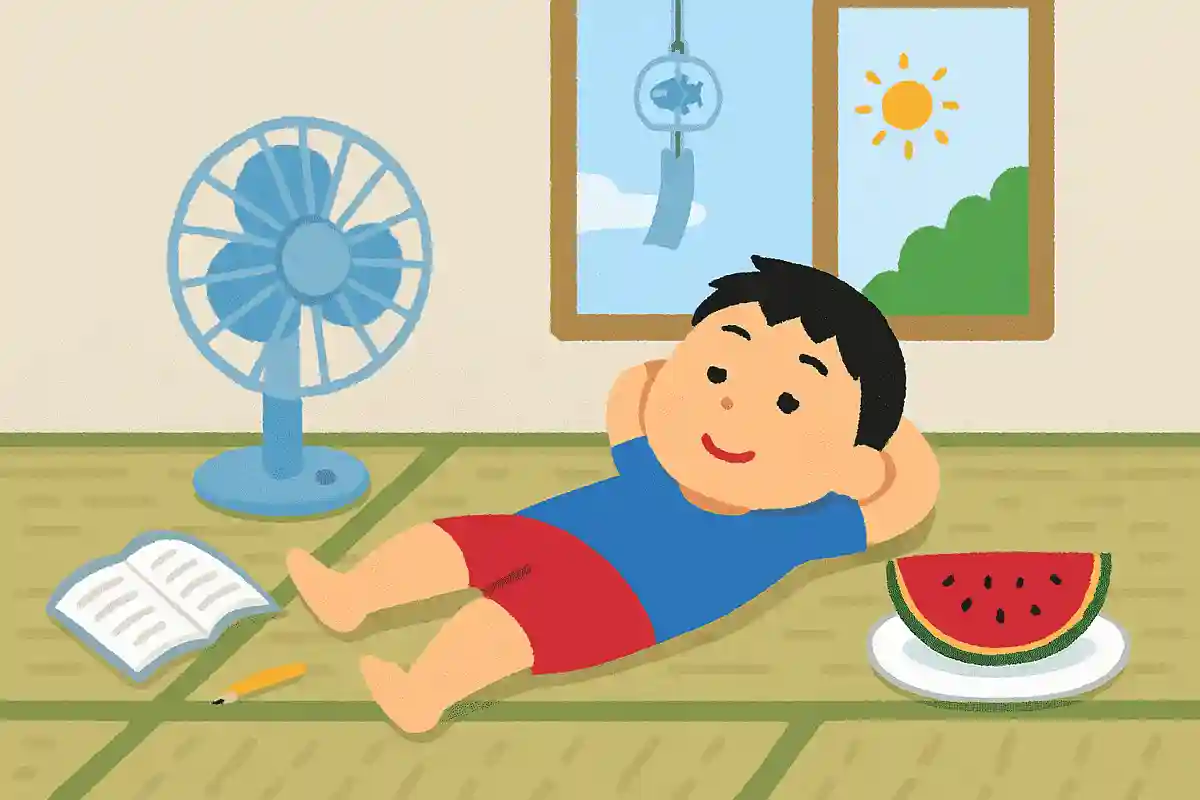
Because summer vacation is long, we end up taking it easy—putting off homework and the like.
This haiku captures that lazy summer-break lifestyle just as it is.
By deliberately depicting an ordinary scene at home rather than an event, it may also help you stand out from others.
The phrase “tomorrow too” is key, clearly conveying that the lazy days went on for a long time.
Even without any flashiness, it expresses how you spent your summer vacation in your own way.
Before I can even say “I’m home,” barley tea first.
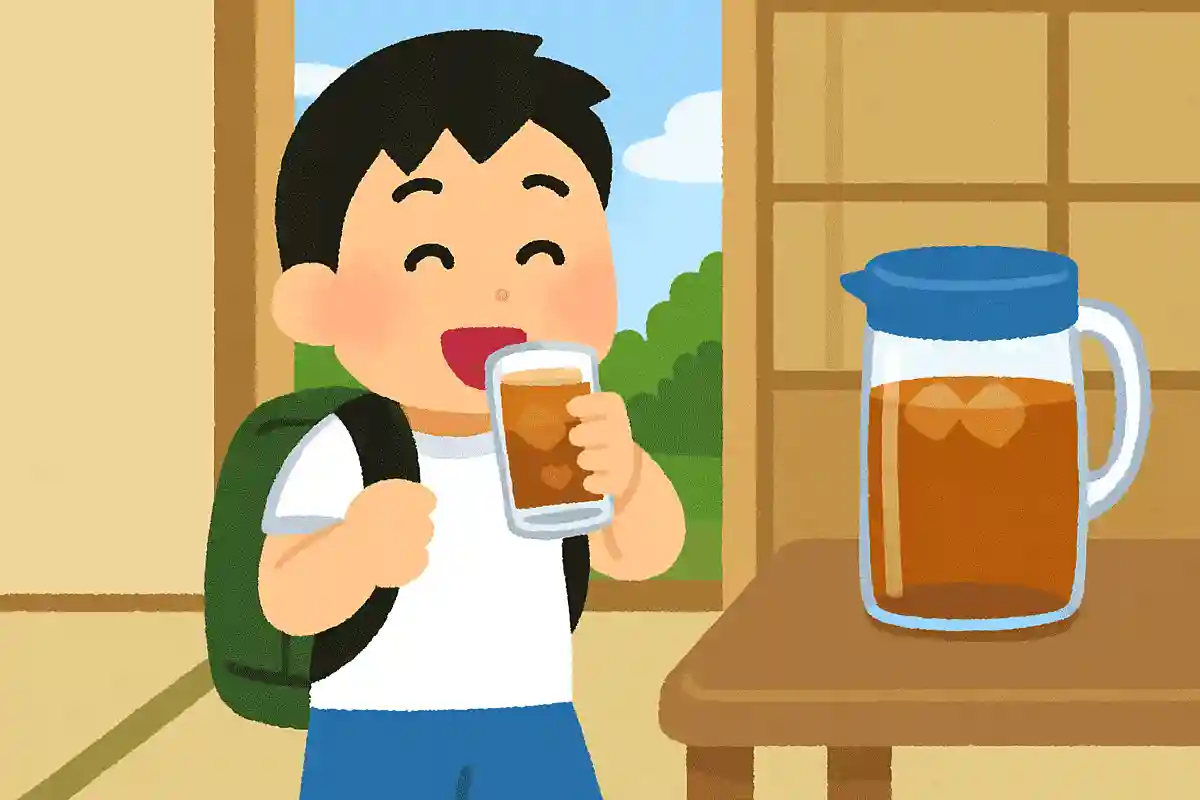
During the sweltering heat of summer vacation, when we sweat profusely, it’s important to stay mindful of hydration.
This haiku, which makes us reflect on the importance of drinking fluids, portrays an unbearable heat.
It depicts what happens after arriving home, and the way water is sought before anything else reveals a lack of composure.
Although the reason isn’t stated outright, the choice of mugicha—barley tea, a symbol of summer—clearly conveys that the skipped “I’m home” greeting was due to the heat.
The fan goes aiueo and it’s so cool.
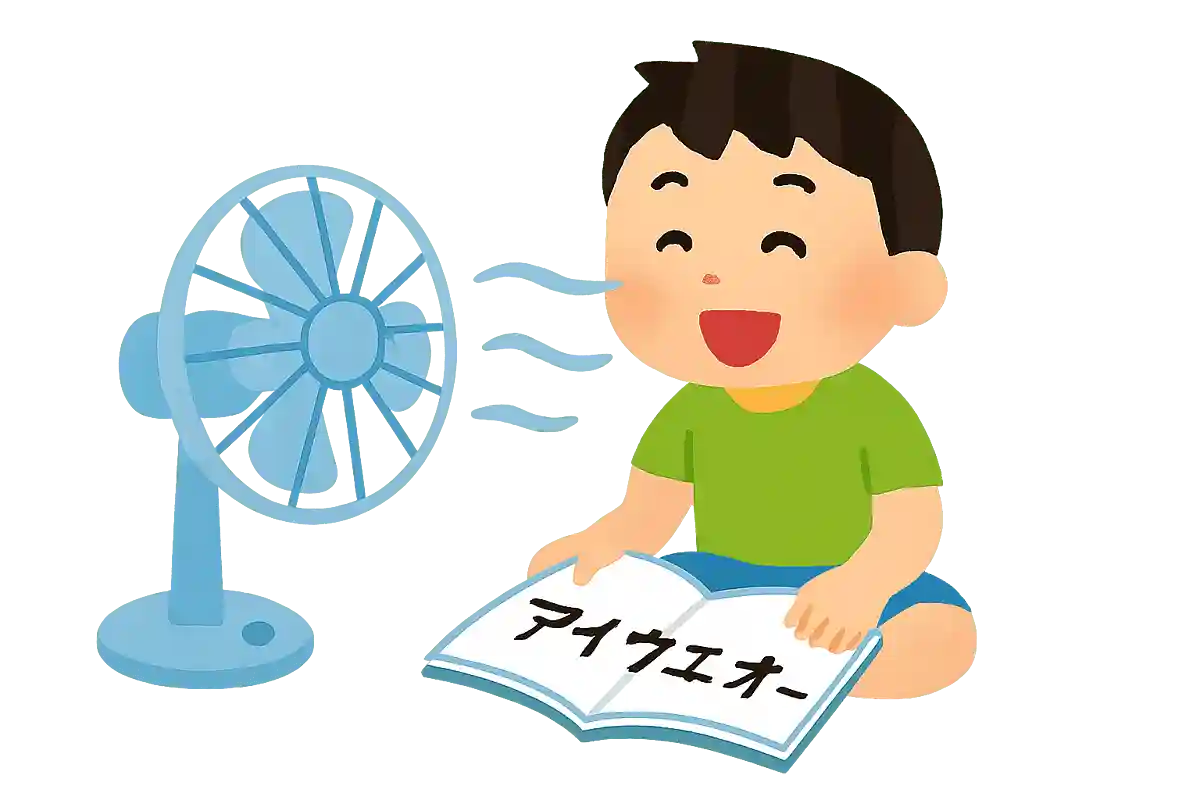
When it comes to beating the heat, a fan is essential, isn’t it? Sitting in front of one and feeling the breeze up close is a familiar scene.
This is a haiku about the little things we end up doing while enjoying a fan’s wind.
It’s that classic game where you speak into the airflow and your voice changes—something many people can relate to, regardless of age.
The fact that you’re facing the fan and letting the wind hit your face is a key detail, vividly conveying both the outdoor heat and the refreshing coolness of the breeze.
At the summer festival, I drink ramune just for the marble.
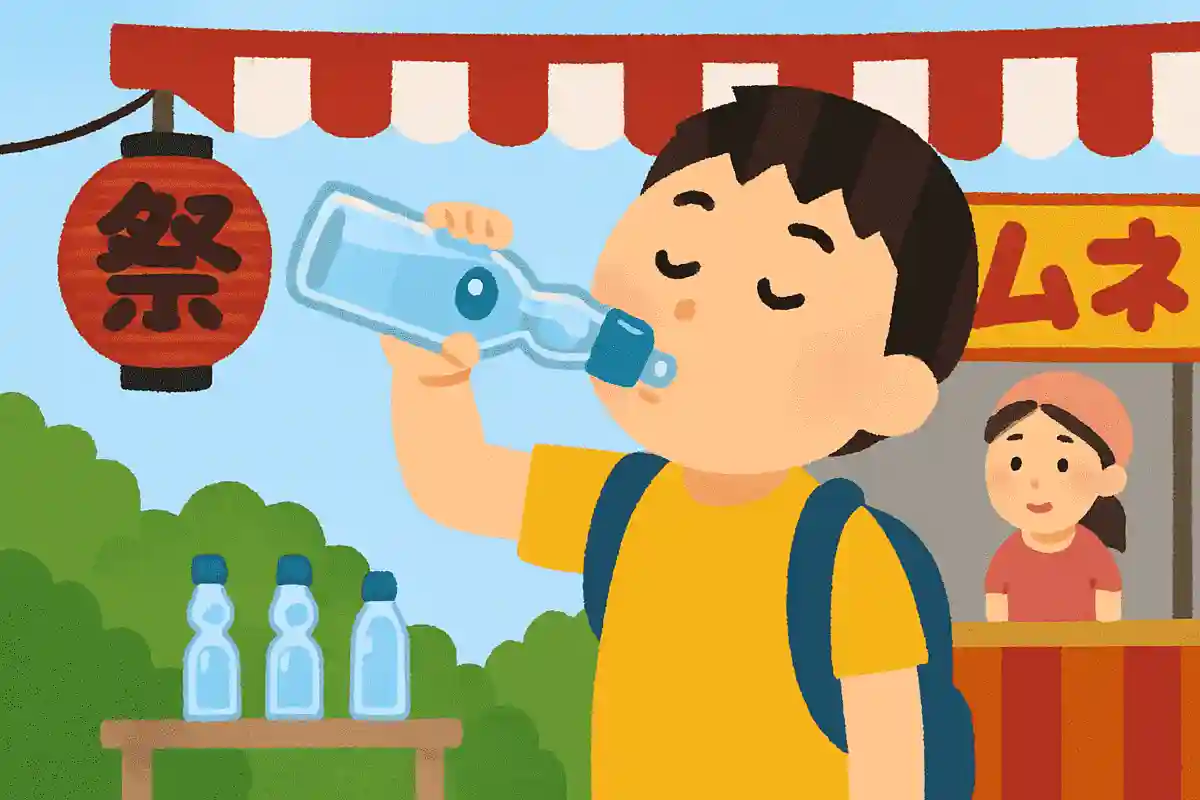
A haiku themed around ramune, the classic drink that coolly colors summer festivals—those indispensable big events of summer vacation.
Rather than focusing on the bottle’s look or the refreshing taste, it deliberately highlights the marble inside.
From the idea that the marble is the true goal, you can imagine someone struggling to extract it after finishing the drink.
Because marbles strongly evoke a sparkling image, the haiku also seems to depict the fun of summer festivals and those glittering moments.
I wonder why I’m the only one who gets bitten by mosquitoes.
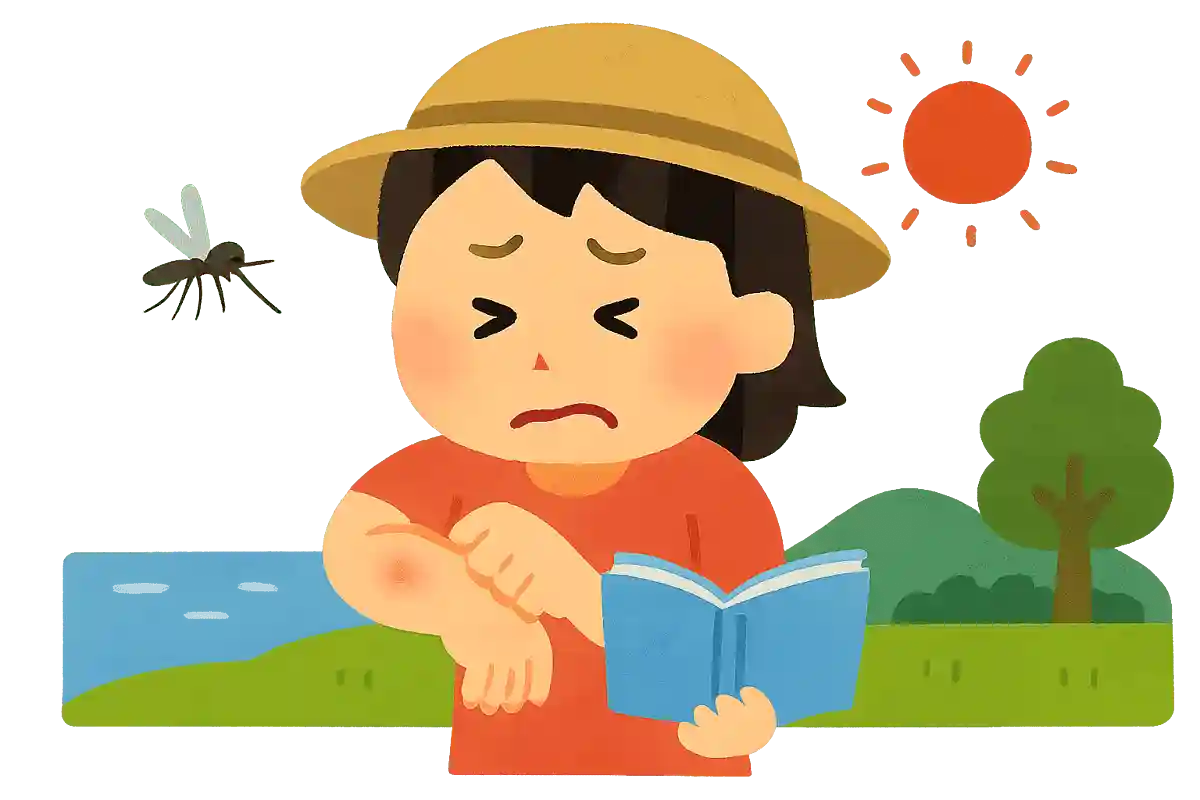
When it comes to going out in summer, it’s not just the intense heat—getting bitten by mosquitoes is a familiar annoyance too.
This haiku captures the mystery and frustration of being the only one who gets bitten when going out with a few people.
By expressing the irritation of “why only me?” so directly, it also conveys a comedic tone.
The poet’s awareness of being prone to bites suggests they’re imagining someone even more susceptible than themselves.
It might even prompt us to think about what kinds of people are more likely to become mosquito targets.