

A collection of trivia and fun facts about September as we await autumn

September marks the time when, despite the lingering late-summer heat, a hint of autumn slowly begins to drift in.
With school events like sports festivals and cultural festivals, moon-viewing, and Respect for the Aged Day, there’s plenty to look forward to—every bit as fun as summer was not long ago!
In this article, we’ll introduce trivia and fun facts about September.
We’ve gathered a variety of topics, from seasonal events and foods to commemorative days in September.
Once you know these, you’re sure to enjoy September even more!
Through these bits of trivia and fun facts, take a moment to savor what’s in season this September.
- September Trivia Quiz & Fun Facts! A Fun Autumn Quiz for Kids
- [For Kids] November Trivia Quiz & Fun Facts: Let’s Learn While Having Fun!
- Fun facts you’ll want to share! A roundup of October trivia and tidbits
- Fun October Trivia Quiz & Facts! Exciting Questions for Kids
- A collection of trivia and fun facts about September as we await autumn
- Fun facts you’ll want to share! A special feature on November trivia and tidbits
- Trivia and fun facts about food (summary)
- A quiz of fun trivia: bite-sized knowledge that leads to new insights.
- So interesting you’ll want to tell someone! December Trivia & Fun Facts Special
- Make weather forecasts more fun! Trivia and fun facts about the weather
- Recommended in March! A collection of surprising, little-known trivia that elementary school students will want to share
- Fun facts about the Moon. A rapid-fire quiz!
- Trivia you think you know but surprisingly don’t? August trivia and fun facts quiz!
Trivia and fun facts about September as we await autumn (1–10)
September 1 is Disaster Prevention Day.
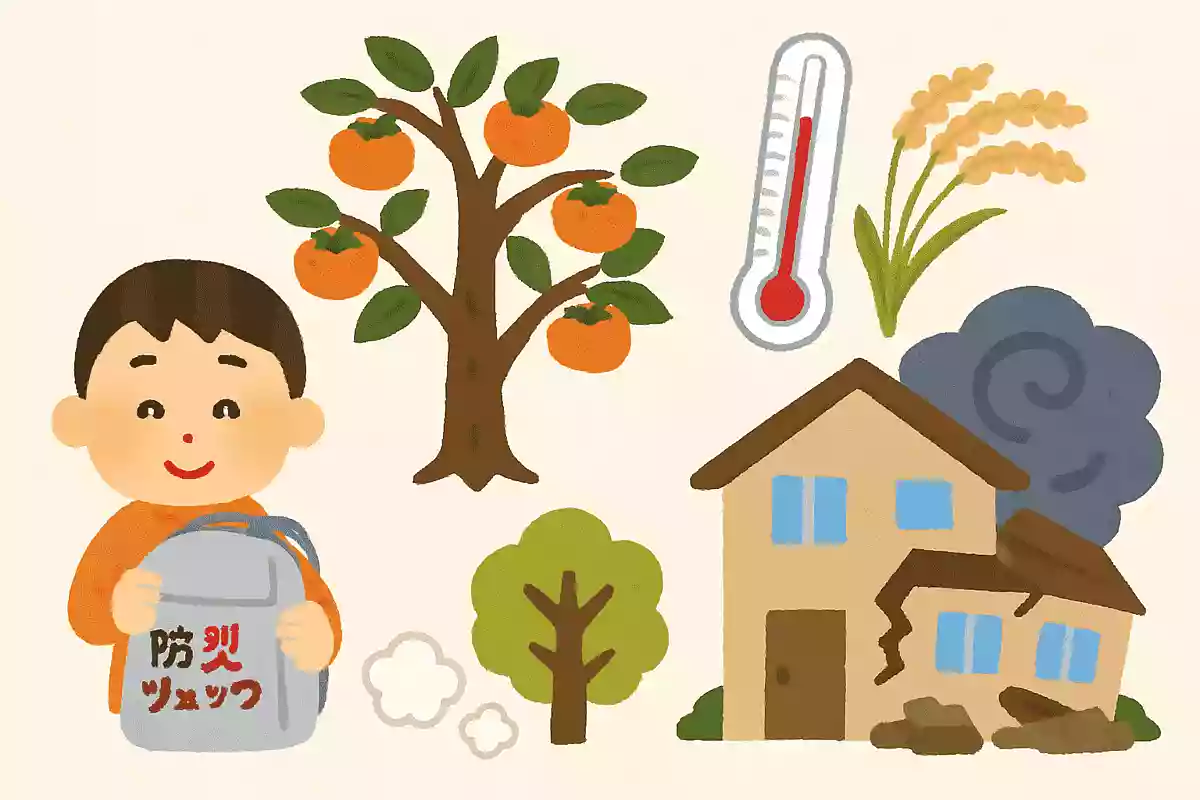
Prompted by the Great Kanto Earthquake that struck on September 1, 1923, this date was designated as Disaster Prevention Day.
Another reason for this designation is that the full-fledged typhoon season begins in September, increasing the likelihood of severe damage beyond earthquakes.
In fact, the Ise Bay Typhoon that occurred in September 1959 caused extensive damage.
In recent years as well, not only typhoons but also localized torrential rains have led to major disasters.
Since the week starting September 1 is also designated as Disaster Prevention Week, let’s take this opportunity to think once again about disaster preparedness.

Moon viewing was brought from China during the Heian period.
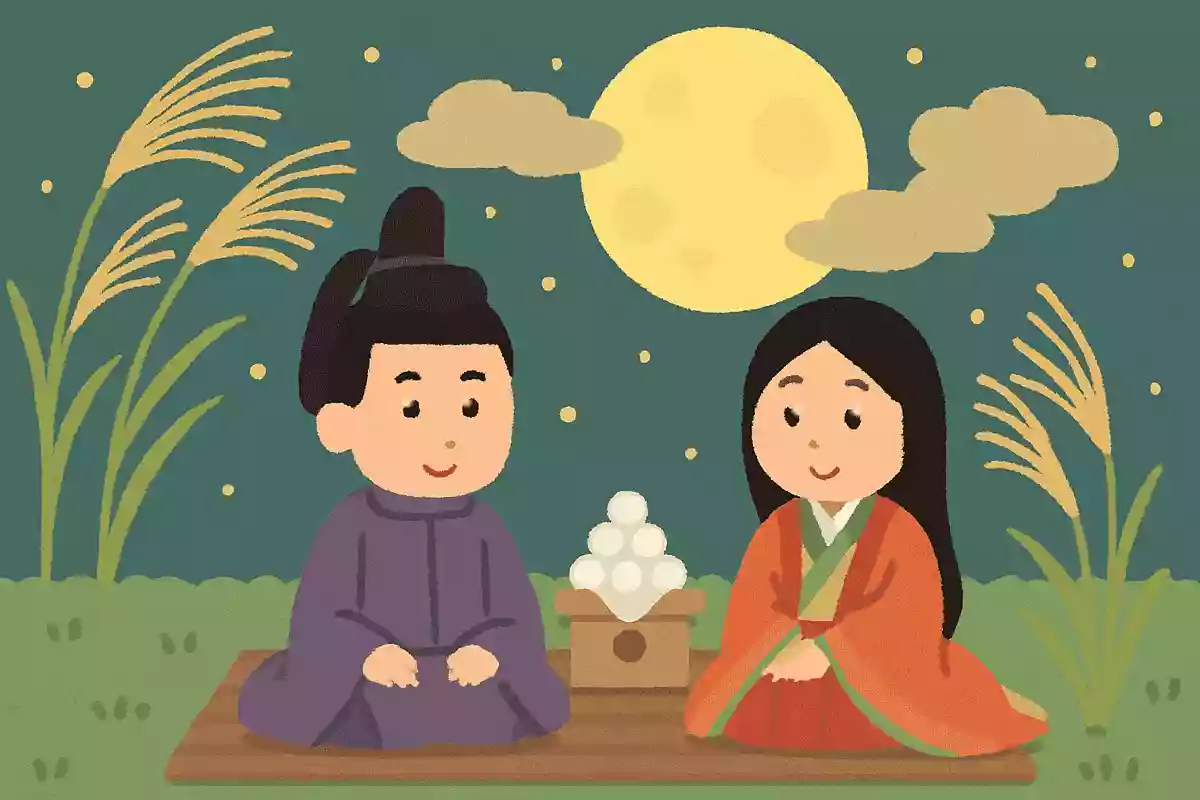
The roots of moon viewing lie in China! It’s said that records related to moon viewing appear in documents from the Tang dynasty, which began in 618.
In Japan, the custom spread during the Nara and Heian periods, after 710.
It became popular among the aristocracy as an elegant pastime, and by the Edo period it had taken root among commoners as an autumn event to pray for a bountiful harvest.
Incidentally, in Murasaki Shikibu’s masterpiece The Tale of Genji, there is a depiction of a “moon banquet,” where people enjoy wine and music during the Mid-Autumn full moon.

September is called Nagatsuki in the old lunar calendar because the nights grow longer.
In the old lunar calendar, September is called “Nagatsuki.” This name comes from the fact that autumn deepens and the nights gradually grow longer.
For that reason, it was originally called “Yonagazuki” (long-night month), which was later shortened to “Nagatsuki.” In the lunar calendar, however, the ninth month roughly corresponds to October today.
Therefore, in the past, this period marked an even deeper autumn than our present-day September.
There are also several other theories about the origin of the name: some say it comes from “nagame,” referring to the season when long rains tend to continue, and others say it was called “inekari-zuki,” the month of rice harvesting, as it is when the harvest begins.
Trivia & Fun Facts About September as We Await Autumn (11–20)
September is Cancer Control Month
September is Cancer Control Month.
During this period, various events are held—such as the National Cancer Control Convention—aimed at raising awareness about cancer prevention and encouraging appropriate prevention, early detection, and early treatment.
Cancer is the leading cause of death among Japanese people; in 2022, more than 380,000 individuals died from various types of cancer.
With early detection and appropriate treatment, cancer can sometimes go into remission.
Now that you know about Cancer Control Month, why not take this opportunity to get screened?
Pacific saury wasn’t popular in the Edo period.
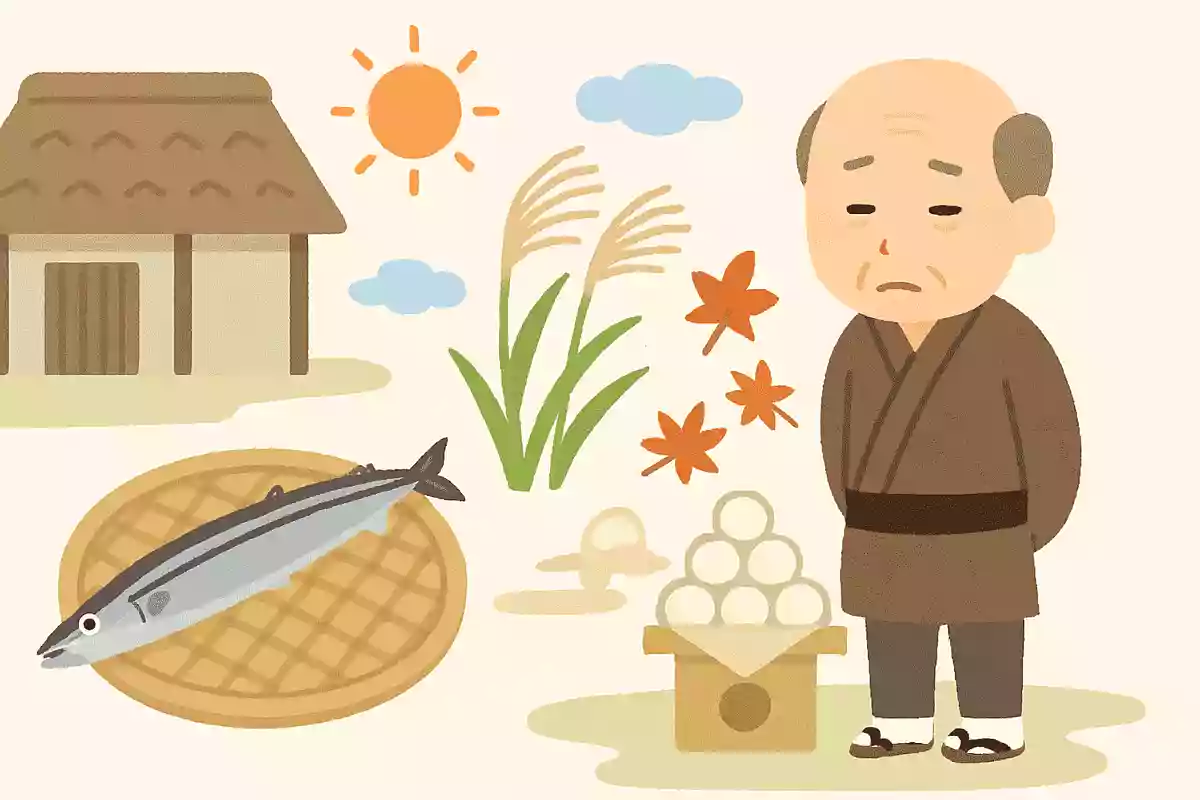
Pacific saury is a quintessential taste of autumn.
Some people even say, “It doesn’t feel like autumn unless I eat saury!” Despite how deeply loved it is by the Japanese today, it was surprisingly almost unknown in the Edo period.
As evidence, saury never appears in the works of haiku poets or writers active in that era, and there are hardly any records about it.
It only became widely popular among Japanese people after World War II.
In the 1950s, catches increased rapidly, and saury became an indispensable ingredient on Japanese dining tables.
Dried persimmons are 1.5 times sweeter than sugar.
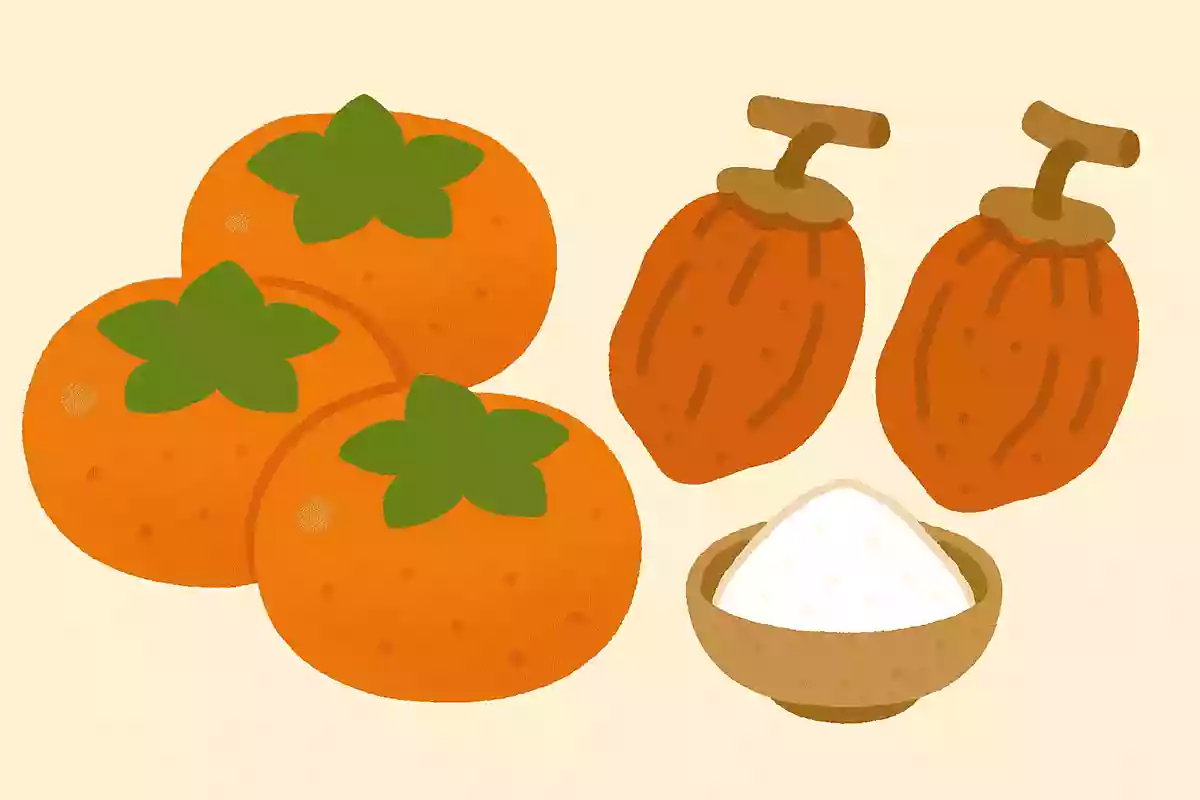
Hoshigaki, dried persimmons with a rich sweetness reminiscent of wagashi, are made by drying astringent persimmons so that the tannins change from water-soluble to insoluble, removing the bitterness.
It’s said that the resulting sweetness can reach up to 1.5 times that of sugar.
While that may sound discouraging to those cutting back on sugar, hoshigaki are also highly nutritious, containing dietary fiber, beta-carotene, vitamin A, and potassium—making them an excellent food when eaten in moderation.
Chewing thoroughly also stimulates satiety and can help prevent overeating!
Susuki (Japanese pampas grass) has another name, “Obana.”
When it comes to the seven flowers of autumn, they are ominaeshi (Patrinia), obana, kikyo (balloon flower), nadeshiko (fringed pink), fujibakama (thoroughwort), kuzu (kudzu), and hagi (bush clover).
Some people memorized them using the mnemonic formed from their initial sounds: “Osukina fuku wa?” (“What clothes do you like?”).
But this raises the question: there’s no “su,” is there…? That little puzzle is solved the moment you learn that another name for obana is susuki (Japanese pampas grass).
It was named “obana” because its flower plumes look like a tail.
Once you know the reason, doesn’t “obana” feel even more fitting than “susuki”?