

A collection of trivia and fun facts about September as we await autumn

September marks the time when, despite the lingering late-summer heat, a hint of autumn slowly begins to drift in.
With school events like sports festivals and cultural festivals, moon-viewing, and Respect for the Aged Day, there’s plenty to look forward to—every bit as fun as summer was not long ago!
In this article, we’ll introduce trivia and fun facts about September.
We’ve gathered a variety of topics, from seasonal events and foods to commemorative days in September.
Once you know these, you’re sure to enjoy September even more!
Through these bits of trivia and fun facts, take a moment to savor what’s in season this September.
- September Trivia Quiz & Fun Facts! A Fun Autumn Quiz for Kids
- [For Kids] November Trivia Quiz & Fun Facts: Let’s Learn While Having Fun!
- Fun facts you’ll want to share! A roundup of October trivia and tidbits
- Fun October Trivia Quiz & Facts! Exciting Questions for Kids
- A collection of trivia and fun facts about September as we await autumn
- Fun facts you’ll want to share! A special feature on November trivia and tidbits
- Trivia and fun facts about food (summary)
- A quiz of fun trivia: bite-sized knowledge that leads to new insights.
- So interesting you’ll want to tell someone! December Trivia & Fun Facts Special
- Make weather forecasts more fun! Trivia and fun facts about the weather
- Recommended in March! A collection of surprising, little-known trivia that elementary school students will want to share
- Fun facts about the Moon. A rapid-fire quiz!
- Trivia you think you know but surprisingly don’t? August trivia and fun facts quiz!
Trivia & Fun Facts About September as We Await Autumn (11–20)
Autumnal Equinox Day is the day when the length of day and night are the same.
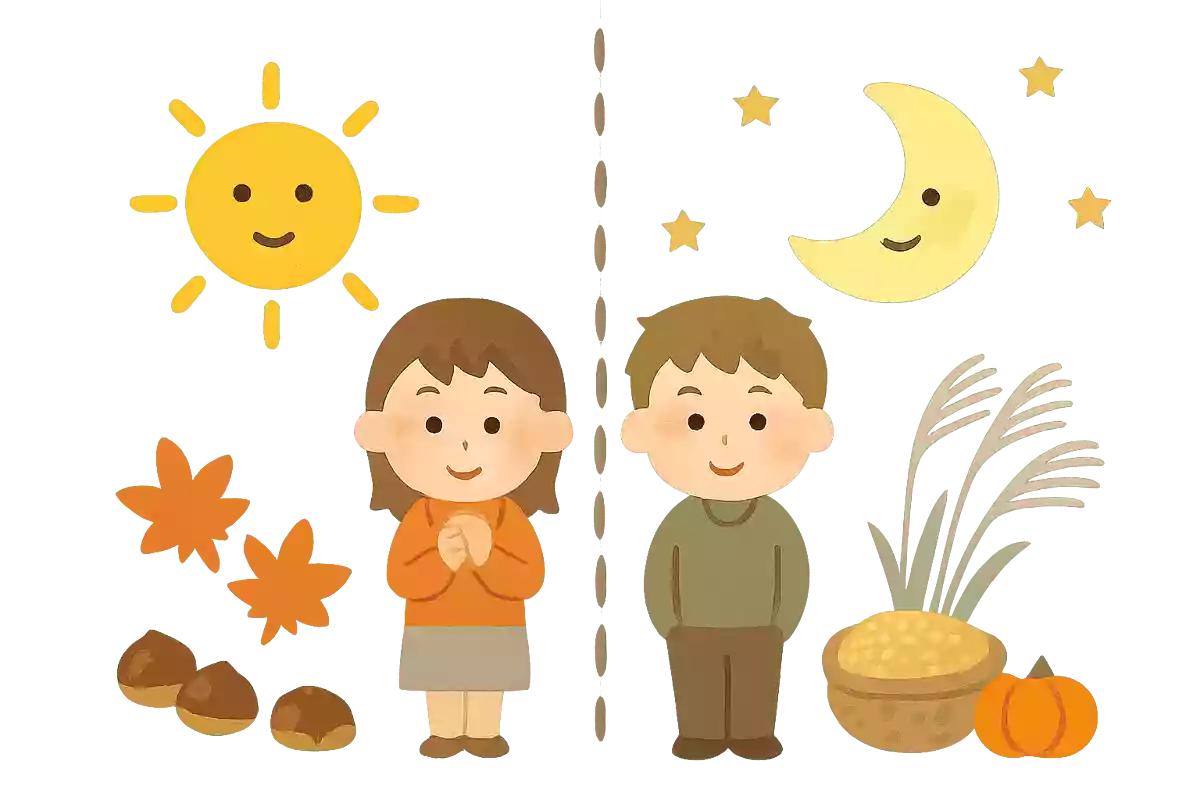
The autumnal equinox is the day when daylight and nighttime are said to be the same length.
This comes from the fact that the sun rises almost due east and sets almost due west, but to be precise, it’s more accurate to say they are “almost equal.” In reality, there’s a difference of a few minutes.
This has to do with the definitions of day and night and how things appear from observatories—there are some complex factors involved.
Still, it remains a turning point of the seasons.
As we look ahead to the coming winter, why not spend this time savoring the calm of autumn?

Change color due to the Moon’s atmosphere as seen from Earth
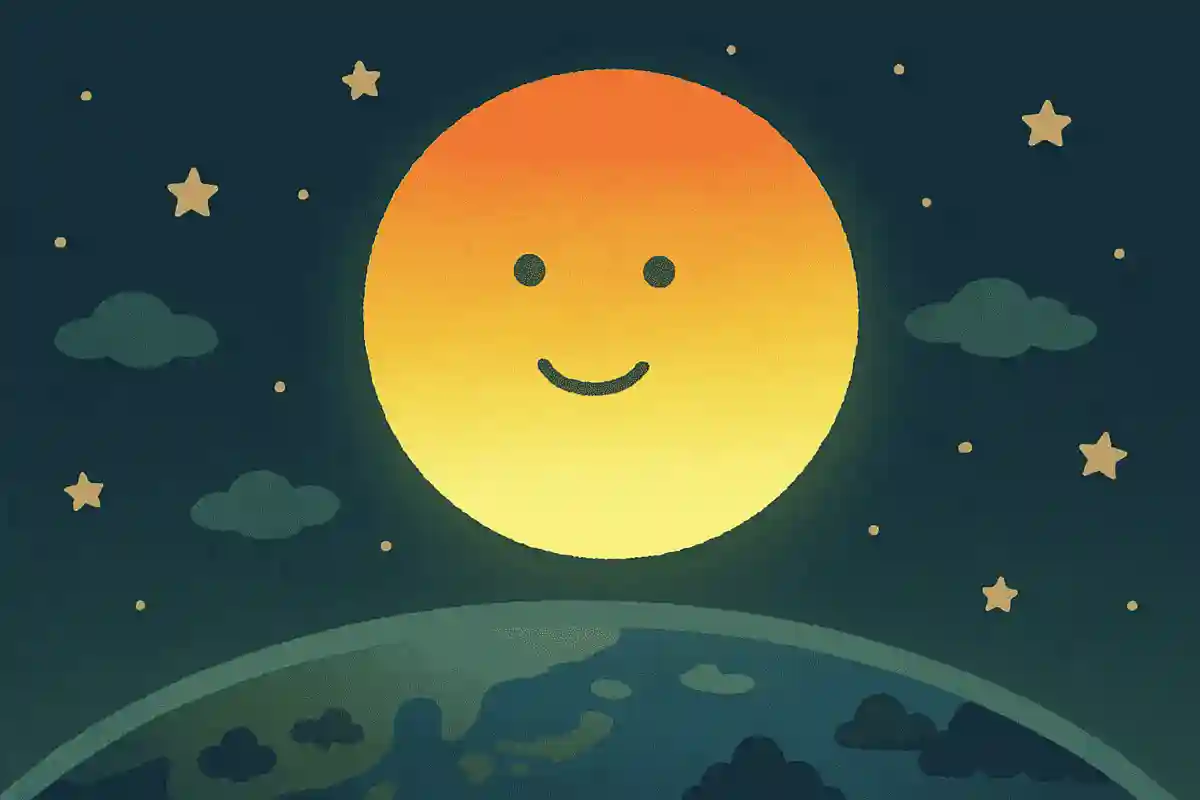
The moon floating in the sky is precious for lighting up the night, and the changes in its shape and brilliance really highlight its beauty.
The moon’s color changes due to Earth’s atmosphere, and from the way the moon appears, you can get a sense of the state of the atmosphere.
When there’s a lot of dust in the air, less light passes through the atmosphere, making the moon look dimmer; when there’s less dust, more light gets through and the moon appears brighter.
Also, depending on where the moon is relative to Earth, the path of the light changes, making its color look different.
It’s fascinating that from just the moon alone, you can glimpse the arrangement of the stars and the condition of the Earth.

In conclusion
We introduced some trivia and fun facts about September—how did you like them? Since autumn is the season when appetites grow, there were plenty of food-related tidbits as well. Along with these fun topics, take a moment to gently savor the arrival of autumn!