

Easy-to-sing songs recommended for men in their 70s: A collection of classic hits you’ll want to sing at karaoke

Among men in their seventies, quite a few probably still have opportunities to go to karaoke and sing, don’t they?
That said, if you’re going to sing, you want to sing well—and when it’s your turn, it can be hard to decide what song to choose.
So in this article, we’ll introduce songs that are easy to sing at karaoke.
We’ve gathered tracks with different “easy-to-sing” points—some featuring gentle, soothing melodies and others that are upbeat and lively—so try finding the ones that feel easiest for you to sing.
- Karaoke songs you’ll want to sing for men in their 70s: Enka and nostalgic Showa-era pop
- [For men in their 70s] A collection of easy-to-sing songs even for people who are tone-deaf
- Songs I want men in their 70s to sing: a roundup of tracks I'd like to hear at karaoke
- [Nostalgic Songs] A collection of tear-jerking Japanese tracks recommended for men in their 70s
- Energizing songs recommended for men in their 70s: A roundup of nostalgic power tracks
- [Recommended for people in their 70s] Songs that get everyone excited. Songs you’ll want to sing at karaoke.
- [For women in their 70s] A collection of songs that are easy to sing even for people who are tone-deaf
- Easy-to-sing songs recommended for women in their 70s: A collection of classic hits perfect for karaoke
- For seniors in their 80s: Stay healthy while having fun. Introducing dance songs that make you want to move!
- [For Seniors] Popular Karaoke Songs That Everyone Can Enjoy Together
- Easy-to-sing songs recommended for men in their 80s: Showa-era classics to perform at karaoke
- [Recommended for people in their 70s] Songs that really move you. Beloved classic Japanese hits of the past.
- [Karaoke] Songs That Get Men in Their 70s Fired Up! A Collection of Nostalgic Japanese Hits [2026]
Easy-to-sing songs recommended for men in their 70s: A collection of classic karaoke hits (11–20)
BoyhoodInoue Yosui

A Heisei-era hit song that will surely be sung forever.
It’s Inoue Yosui’s biggest hit and a classic that has appeared many times in junior high and high school music textbooks.
This work perfectly matches Inoue’s laid-back vocals with lyrics that evoke a leisurely summertime scene.
Released in September 1990, it became so popular that it was included in textbooks from 1994 onward.
With a relatively narrow vocal range and a gently flowing melody, it’s very easy to sing.
It’s also widely known across generations, making it a highly recommended song for many audiences.
Until we meet againOzaki Kiyohiko

Kiyohiko Ozaki’s 1971 song is a landmark love ballad that sings of profound love and the emotions of parting.
It focuses on the emptiness and loneliness that farewells bring, vividly conveying the feelings of that moment.
It’s a masterpiece I especially recommend for men in their 70s to sing, and its gentle melody line makes it easy to perform.
Shining with the aesthetics of the Showa era, the song appears on albums such as “Kiyohiko Ozaki Second Album” and the best-of compilation “GOLDEN☆BEST Kiyohiko Ozaki.” It drew attention when he opened for the White Team at the 22nd NHK Kohaku Uta Gassen, and it also won the 13th Japan Record Award—truly a song that symbolizes its era.
Traveler,Kayama Yūzō
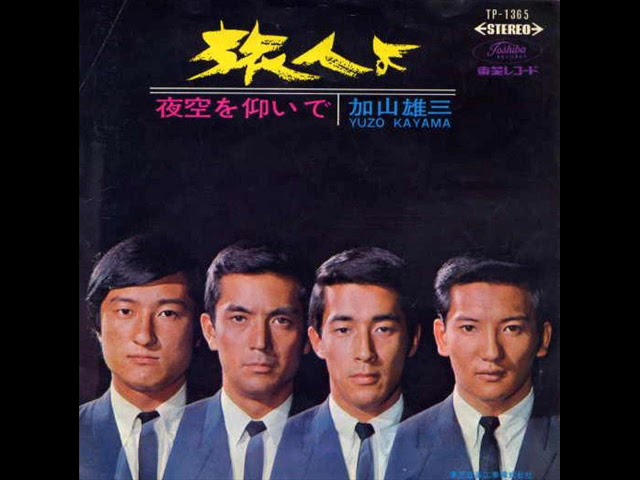
It’s a classic song that offers encouragement to a young traveler crossing a late-autumn grassland.
Yuzo Kayama’s powerful yet warm voice resonates deeply with listeners.
Released in 1966, it was also used the following year as an insert song in the film “Let’s Go! Wakadaisho.” It’s a ballad with a folk-style melody, featuring a distinctive performance by Yuzo Kayama and The Launchers.
While depicting the beauty of nature and feelings for one’s hometown, it carries the message: no matter the hardship, don’t forget your dreams.
The melody is characterized by gentle lines with few large leaps, and the tempo isn’t fast, so it’s quite easy to sing.
City LightsSakai Masaaki

A gem of a ballad by Masakazu Sakai that portrays loneliness, solitude, and the warmth of love.
It beautifully depicts how, even while carrying loneliness, one can be saved by a faint bond that arises in an unguarded moment.
The lights floating in the night city gently illuminate the instant when love begins to bud—you can almost see the scene before your eyes.
Released in 1973, this song is one of the masterpieces born during Sakai’s distinguished career as an actor and host.
Why not sing it with a wish to think of someone dear and keep the light in your heart from ever going out?
Dream-Chasing SakeAtsumi Jirō
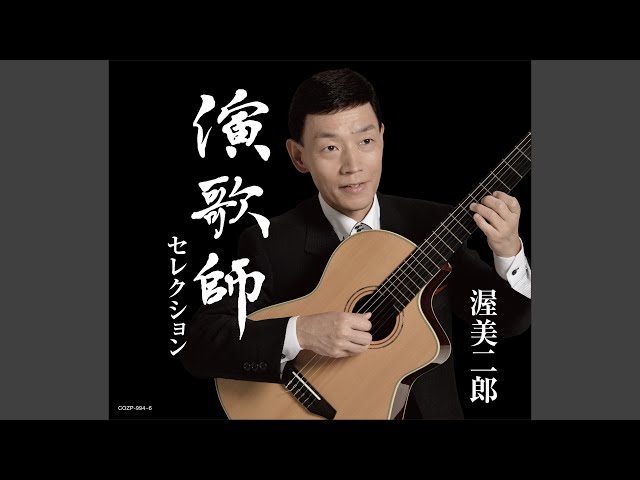
Known as one of Jiro Atsumi’s signature songs, this gem portrays the feelings of easing the pain of lost love by entrusting it to drink.
Released in February 1978 as his third single, it initially drew little attention, but thanks to promotional efforts such as a nationwide tour, its popularity grew, earning the Fighting Spirit Award at the Japan Cable Radio Awards that December.
The following year, it became a massive hit, topping Oricon’s annual chart.
It’s a track that fully showcases Atsumi’s vocal prowess, conveying profound sorrow and loneliness.
While the melody is gentle and unhurried, it features the dynamic contrasts and expressive vibrato characteristic of enka, so keep those nuances in mind when you sing it.
Scorpio womanMikawa Ken’ichi

Kenichi Mikawa’s song is a work imbued with deep emotions, depicting straightforward love and a cold, calculated thirst for revenge.
It brilliantly captures the passionate expressions of love of a Scorpio woman and the calm resolve for revenge when betrayed.
Sung seven times on the NHK Kōhaku Uta Gassen, it is a masterpiece that has had a major impact on Japan’s music scene.
With its gentle, singable melody line, it’s an easy piece to try in karaoke.
If you’d like to sing a song that conveys deep love and complex emotions, give it a try.
Easy-to-Sing Songs Recommended for Men in Their 70s: A Collection of Karaoke Classics (21–30)
Sūdara-bushiUeki Hitoshi

The Sudara-bushi playfully portrays everyday mishaps like drinking too much, gambling losses, and heartbreak.
With its catchy phrases, the song was released as a single in August 1961 and remained high on the charts into the following year.
It has been used in films and commercials and is widely known.
Its humorous singing style makes it easy to try, even for those who aren’t confident singers.