



Among men in their seventies, quite a few probably still have opportunities to go to karaoke and sing, don’t they?
That said, if you’re going to sing, you want to sing well—and when it’s your turn, it can be hard to decide what song to choose.
So in this article, we’ll introduce songs that are easy to sing at karaoke.
We’ve gathered tracks with different “easy-to-sing” points—some featuring gentle, soothing melodies and others that are upbeat and lively—so try finding the ones that feel easiest for you to sing.
- Karaoke songs you’ll want to sing for men in their 70s: Enka and nostalgic Showa-era pop
- [For men in their 70s] A collection of easy-to-sing songs even for people who are tone-deaf
- Songs I want men in their 70s to sing: a roundup of tracks I'd like to hear at karaoke
- [Nostalgic Songs] A collection of tear-jerking Japanese tracks recommended for men in their 70s
- Energizing songs recommended for men in their 70s: A roundup of nostalgic power tracks
- [Recommended for people in their 70s] Songs that get everyone excited. Songs you’ll want to sing at karaoke.
- [For women in their 70s] A collection of songs that are easy to sing even for people who are tone-deaf
- Easy-to-sing songs recommended for women in their 70s: A collection of classic hits perfect for karaoke
- For seniors in their 80s: Stay healthy while having fun. Introducing dance songs that make you want to move!
- [For Seniors] Popular Karaoke Songs That Everyone Can Enjoy Together
- Easy-to-sing songs recommended for men in their 80s: Showa-era classics to perform at karaoke
- [Recommended for people in their 70s] Songs that really move you. Beloved classic Japanese hits of the past.
- [Karaoke] Songs That Get Men in Their 70s Fired Up! A Collection of Nostalgic Japanese Hits [2026]
Singable song recommendations for men in their 70s: A collection of classic karaoke favorites (1–10)
YosakuKitajima Saburō

“Yosaku” is one of Saburo Kitajima’s signature songs, celebrating the dignity of hard work and the bond between husband and wife cherished by the Japanese people.
Its simple, approachable lyrics and melody are overlaid with the image of a couple working in the mountains, giving the song a warmth that gently resonates with listeners.
Released as a single in 1978, it was highly acclaimed from the start, including a performance on NHK’s Kōhaku Uta Gassen the same year.
Beloved by people of all ages, this song especially speaks to those at life’s turning points.
With its calm melody and moderate tempo, it’s also exceptionally easy to sing.
Try singing it while thinking of someone dear to you.
I’m appearing under my former name.Kobayashi Akira

One of Akira Kobayashi’s signature songs, released in January 1975.
Although it didn’t become a major hit at first, thanks to Kobayashi’s steady promotion on television and in cabarets, sales picked up two years later in 1977 and it became a long-selling success.
It ultimately sold over two million copies in total, and even by Oricon’s count it reached about 950,000—a major hit.
The lyrics are set in a snack bar and depict a complex relationship between a woman and a male customer.
Kobayashi’s distinctive husky voice and embellished singing style—known as the “Akira-bushi”—brilliantly convey the characters’ emotions.
With Kobayashi’s beautiful voice shining throughout, this classic is one that men in their seventies are especially encouraged to sing.
12th graderFunaki Kazuo

Kazuo Funaki’s “High School Senior” is a classic of youth kayō that resonates with young people’s hearts.
The vivid, deeply felt lyrics capture the many hidden thoughts and shifting emotions of students on the verge of graduation.
From the fun memories of school days to the moments that brought tears, everything makes your heart swell—this song carries a universal message that anyone can relate to.
Released as a single in June 1963, it became a major hit and also served as the theme song for a film released the same year.
Its melody unfolds memorably within a narrow vocal range, making it relatively easy to sing.
Link arms with friends at a class reunion and you might just time-travel back to your school days.
Take a moment to reminisce about your youth and bask in the memories.
Traveler of the NorthIshihara Yūjirō
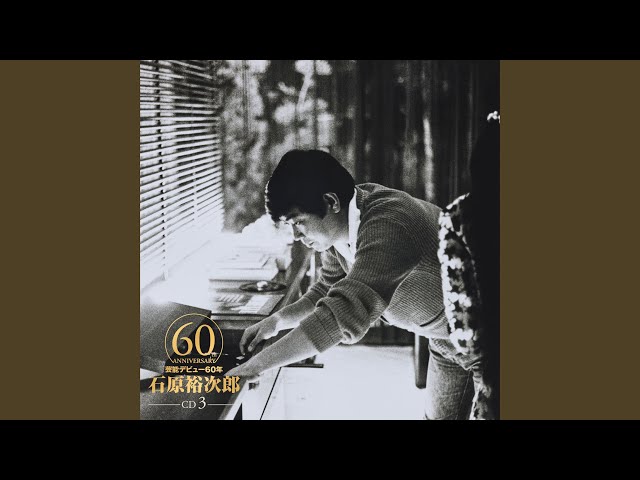
A hit song released in 1987 that sold 1.25 million copies.
Its lyrics, portraying the feelings of a lonely traveler and the scenery of Japan’s northern regions, are deeply moving.
The song conveys profound sorrow and longing, stirring the listener’s heart.
With a gentle, easy-to-sing melody, it’s also recommended for people in their 70s.
Why not try singing this masterpiece—the last song Yujiro Ishihara left behind in his lifetime—at karaoke? As you reflect on lyrics that evoke the Showa era, it may be fascinating to explore the worldview and life philosophy Ishihara imbued in this work.
Beach of MemoriesZa Wairudowanzu

“Omoide no Nagisa” is the signature song of The Wild Ones and a landmark track released in 1966 that helped usher in Japan’s Group Sounds boom.
With lyrics that poignantly sing of summer memories with a loved one and a beautiful melody colored by the sound of a 12-string guitar, the song continues to captivate listeners more than half a century after its release.
The progression from the gently unfolding intro to the soaring chorus is exquisitely crafted.
When this song comes on at karaoke, people can’t help but hum along—something that transcends generations.
Sing it with friends from your own generation, and you’re sure to be transported back to your youthful days.
Give it a try and pour your feelings into it now.
Kiyoshi’s Zundoko SongHikawa Kiyoshi

A signature song by Kiyoshi Hikawa that envelops you in nostalgia and warmth.
Released in February 2002, this work features lyrics that resonate with themes of facing life’s hardships, the bonds of family, and a deep longing for one’s hometown.
Its rhythmic melody and Hikawa’s distinctive vocals convey hope, courage, and a sense of nostalgia.
It’s also beloved as a staple for Bon Odori, making it charming because everyone can sing along while dancing.
Highly recognizable and easy for others to add call-and-response interjections, it’s a surefire crowd-pleaser even for those who aren’t confident singers.
Sake, Tears, Men, and WomenKawashima Eigo

Eigo Kawashima’s signature song is a masterpiece that expresses the melancholy of life through alcohol and tears.
While it has elements of folk music, its lyrics depicting both a man’s strength and vulnerability strike a chord.
Released in June 1976, it became a nationwide hit.
It was also used in a commercial for Kizakura Sake Brewery and has been loved by many.
For those with rich life experience, the relatable lyrics and a melody that is both powerful and gentle are especially appealing.
By layering your own memories and experiences as you sing, your performance will gain even more depth.
The vocal range isn’t wide and the melody line is calm, so many people find it easy to sing.
If you pay attention to dynamics, it will likely sound even better.