



There are surprisingly many things we used to be able to do but can’t anymore, aren’t there?
Times change every day, and the way children play has changed too.
Games and videos are great, but wouldn’t it be nice if they could find other kinds of fun as well? I’m sure many of you feel that way.
So this time, we’ve rounded up a variety of Showa-era games!
A big collection of simple yet absorbing activities you can enjoy indoors or outdoors!
Showa-era games are also a great way to experience Japanese culture, so be sure to enjoy them with your kids.
- Hand games that liven things up for seniors—also great brain training
- [For Seniors] Have Fun! A Collection of Group Game Recreation Ideas
- [For Seniors] Nostalgic! Showa-Era Quizzes Recommended for Reminiscence Therapy
- The Complete Guide to Showa-Era Toys: From Showa retro to toys still loved today
- A must-see for the Showa generation! Nostalgic popular snacks from the old days
- Special feature on popular anime from the Showa era. Looking back at the hit shows of the time!
- [For Seniors] Enjoyable While Seated! Ball Exercises and Recreation
- For Seniors: Get Hooked Again! Let’s Look Back at Nostalgic Showa-Era Games
- [For Seniors] Nostalgic and Fun! Let’s Look Back on Showa-Era Entertainment
- [For Seniors] Irresistibly Grabbable! A Special Feature on Nostalgic Showa-Era Goods
- [Nostalgic Showa Fashion] The changing trends that feel both nostalgic and fresh
- A roundup of nostalgic Showa-era home appliances, including rare ones you don’t see anymore!
- Nostalgic foods of the Showa era. Let’s trace the memorable flavors and the memories they evoke.
Have fun with Showa-era games! Simple yet profound traditional pastimes (1–10)
beanbags
“Otedama” are fabric balls filled with things like azuki beans or pellets.
Like juggling, you can repeatedly throw and catch them, or toss the ones in your hand while swapping them with those you’ve placed on the floor at just the right timing—there are many ways to play.
Because you use your hands, they’re great for developing a child’s tactile sense and can also be used as brain training for older adults.
Once you get the hang of handling them, try tricks like alternately tossing two otedama with one hand, or manipulating three with both hands.
Give various techniques a try!

kite flying

Kite flying is one of the traditional New Year’s activities.
If you catch the wind just right, the kite will sway and glide beautifully through the sky! When flying a kite, choose a wide-open area like a large park or a riverbank so it won’t get caught on power lines or trees.
When you first launch the kite, keep the line taut without slack and gradually let it out.
You can fly a kite by yourself, but it’s recommended to start with two people.
One person holds the line, and the other holds the kite; when the person with the line catches the wind properly, the person holding the kite lets go.
Give it a try not only at New Year’s, but also on any clear, pleasant day.
cat’s cradle
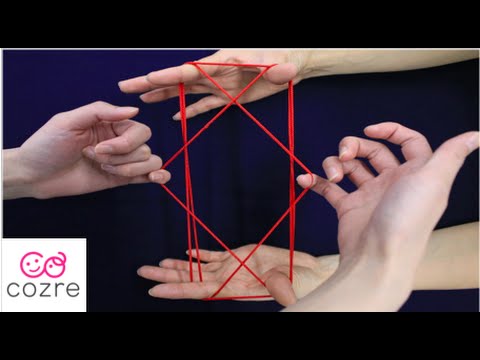
Ayatori is a game played with a single looped string.
By threading the string over your fingers, passing it through, and flipping it, you can create all kinds of shapes.
You can play alone or take turns with a partner to pick up each other’s string figures.
Solo figures include things like Tokyo Tower, Mount Fuji, and ladders.
With two people, you can make rivers, bridges, and more by taking the other person’s figure from different positions to form various shapes.
As long as you have a piece of string, you can play anywhere right away, so it’s great for passing the time.
Hide-and-seek
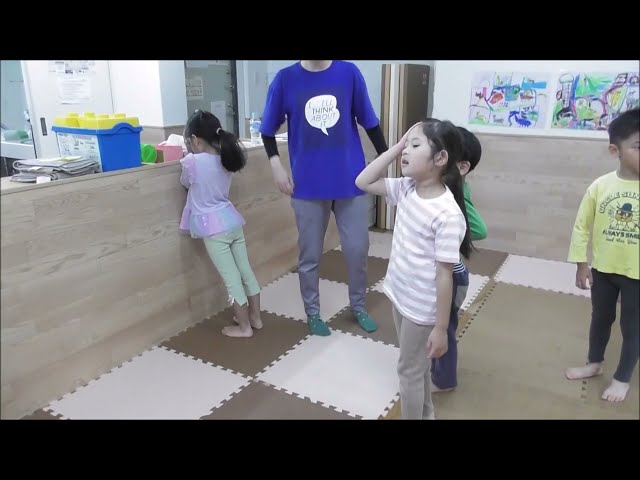
Hide-and-seek is a game where “it” searches for people hiding in various places.
The person who is “it” closes their eyes and counts to a set number.
Meanwhile, everyone else should hide in different spots.
Be sure not to hide in dangerous places.
When “it” finishes counting and asks, “Are you ready?” reply “We’re ready” if you are prepared, or “Not yet” if you need more time to hide.
Once everyone hiding has replied “We’re ready,” “it” starts looking for the hiders.
If “it” finds everyone, “it” wins! The first person found becomes the next “it.” If not everyone is found, the same person remains “it” for another round.
Red Light, Green Light

With the shout “The very first step!”, the game Darumasan ga Koronda begins as players leap one step forward from the starting line.
One person is chosen as “it” (the oni), and the others gradually advance toward the oni.
While the oni has their back turned and says “Darumasan ga koronda,” move closer to them.
When the phrase ends, the oni turns to face the players; anyone caught moving at that moment loses and links fingers with the oni.
Repeat this.
The first person to reach the oni “cuts” the linked fingers of the oni and the caught players.
Then, until the oni says “Stop,” everyone except the oni runs back toward the starting line.
The oni takes about 5–10 steps forward, and among the runners, the first person the oni tags loses.
Switch who is the oni and play again.
menko (a traditional Japanese card-and-coin-flipping game)

This game uses square or round cards called “menko.” First, place a few of your own menko cards on the floor.
In turn, slam a menko you’re holding down onto the floor.
If the menko you slam flips over any of the menko on the floor, you get to keep those flipped cards.
If you don’t flip any, you must leave the menko you slammed on the floor.
If you run out of menko in your hand, you lose.
When there are no more menko left on the floor, the player with the most menko in hand wins.
It’s also fun to add a rule where you can not only flip cards but also try to slide the menko you slam so it slips under other cards.
Chinese jump rope

Simple but fun! How about playing rubber-band jumping? Prepare a long elastic band, have two people hold each end, and stretch it tight.
Once you’re ready, have a third person see how high they can keep jumping over the band as it’s raised little by little! You can jump in any way you like—just a regular jump is fine, or you can go over with a cartwheel and more.
Since small children might fall and get hurt, it’s safer to lay down mats if you’re playing indoors.
There are lots of ways to jump over the band if you look them up.
Feel free to try different techniques!
