

[For Seniors] Irresistibly Grabbable! A Special Feature on Nostalgic Showa-Era Goods

There’s something almost magical about the way goods we grew up with in the Showa era can bring back memories the instant we see them.
Everyday items we used without thinking and toys we were obsessed with—just catching sight of these nostalgic things makes you blurt out, “Oh, I remember that!” In this article, we’ll introduce a wide range of retro goods that capture the spirit of the Showa era.
Let them spark conversations as you reminisce about those days.
- For Seniors: Get Hooked Again! Let’s Look Back at Nostalgic Showa-Era Games
- [For Seniors] Nostalgic and Fun! Let’s Look Back on Showa-Era Entertainment
- [For Seniors] Nostalgic! Showa-Era Quizzes Recommended for Reminiscence Therapy
- A must-see for the Showa generation! Nostalgic popular snacks from the old days
- For Seniors: Nostalgic Showa-Era Sweet Breads You'll Want to Eat Again
- [For Seniors] Recommended for Brain Training! Nostalgic Showa-Era Quiz
- Nostalgic foods of the Showa era. Let’s trace the memorable flavors and the memories they evoke.
- A roundup of nostalgic Showa-era home appliances, including rare ones you don’t see anymore!
- [For Seniors] Irresistibly Nostalgic! Let’s Look Back at Drinks from the Showa Era
- Nostalgia revived with Heisei-era retro goods! A guide to items you’ll want to collect now
- [For Seniors] Nostalgic quizzes that bring back memories! Showa-era entertainment and sports questions
- Heartwarming nostalgia: scenes of Showa-era streets that bring back memories.
- The Complete Guide to Showa-Era Toys: From Showa retro to toys still loved today
[For Seniors] Irresistibly Grabbable! A Special Feature on Nostalgic Showa-Era Goods (1–10)
Pennant

When it comes to classic Showa-era souvenirs that were popular with travelers, pennants come to mind.
These triangular pieces of cloth featured the names of sightseeing spots and illustrations of famous landmarks, and many people bought them as mementos of their trips.
Plenty of people likely collected pennants from school trips and family vacations and displayed them on their bedroom walls.
With their colorful designs and bold lettering, they brought back memories of the scenery and experiences of each place every time you looked at them.
While the variety of souvenirs has grown today and you see them less often, walls covered in pennants once formed a collection that told the story of a person’s travels.

Roulette-style omikuji machine
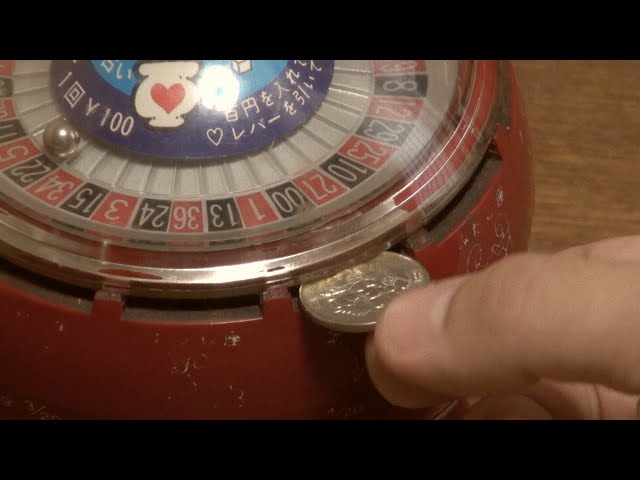
The roulette-style omikuji machine is a nostalgic item that many people have seen next to the registers at cafeterias and coffee shops.
Its distinctive design features zodiac signs on a plastic body, and when you insert a coin and pull the lever, the roulette spins and your fortune is displayed.
It’s fun enough that not only children but also adults can’t help giving it a try, making it a small pleasure to test your luck along with a meal.
Many people remember rejoicing or lamenting over the results, and it remains in people’s memories as a symbol of the atmosphere in Showa-era eateries.
Aluminum ice tray with lever
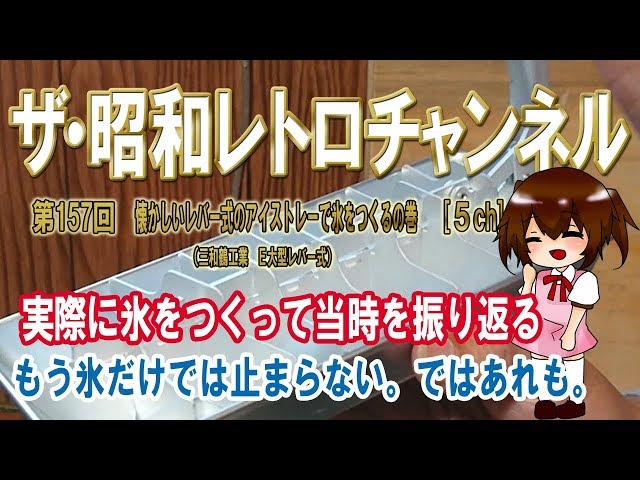
One tool that brings back memories of making ice in the freezer during the Showa era is the aluminum ice tray with a lever.
You would pour water into the metal tray and freeze it, then twist the lever to make the ice clink free—a mechanism used in many households.
The sensation of the ice popping out all at once when you operated the lever was fun, and many people remember happily taking out ice as children.
Many can probably still recall the cold feel of the aluminum and the creaking sound of the metal.
Today, silicone and plastic ice trays are the norm, but this is one of those tools that can revive nostalgic memories even of the simple act of making ice.
[For Seniors] Irresistible Picks! A Collection of Nostalgic Showa-Era Goods (11–20)
strawberry spoon

The “strawberry spoon” that every household used to have.
Back in the day, the classic way was to mash strawberries with this spoon and sprinkle sugar and pour milk over them.
The feel of pressing the berries with the spoon’s serrated outer edge—squeak, squeeze—and the bliss of gulping down the pink “strawberry milk” left at the end were truly a privilege of Showa-era kids.
It’s a nostalgic item that brings back those sweet-and-tart memories.
By the way, did you know that if you look at your face reflected on the inside of the spoon, it appears upside down?
Print Gocco
@shin_ei_sha Print Gocco#printing#print#printgocco#silkscreenprinting#silkscreenprintingmachineShin-ei-sha
♫ Original song – Kappan-kun @ Shineisha – Shineisha_Home Letterpress Printing
Print Gocco was known as a tool for enjoying New Year’s card making in Showa-era households.
It was a device that made it easy to print at home, allowing you to use illustrations and text as originals and print them onto postcards.
Especially toward the end of the year, it was commonly used to create New Year’s cards.
A distinctive feature was its mechanism of flashing a dedicated lamp to create a master and then printing with ink.
The finished cards had a handmade warmth, and it was fun to create original designs.
While today it’s easy to print with computers and printers, at the time it was a groundbreaking item that let people enjoy printing at home.
dial telephone

One of the communication devices commonly used in households at the time was the rotary-dial telephone.
You would insert your finger into the circular dial with numbers, rotate it, and then release to enter each digit—many people probably still remember the distinctive slow return and clicking sounds.
The so-called “black telephone” was also widely known, typically placed in the living room or near the entrance, and shared by the whole family.
While turning the dial for each number may seem time-consuming today, back then even that action was taken for granted and fondly accepted as a routine part of daily life.
floppy disk

One of the recording media that has now become retro is the floppy disk.
These square, thin disks were widely used from the late Showa era through the early Heisei era as items you could insert into a computer to save data and carry documents or images.
Many people likely used them at school or work.
Some may also remember the distinctive click when inserting one and the operation of removing it.
Today, USB drives and cloud services are mainstream, and it’s rare to see floppy disks.
However, as a storage medium that supported the early spread of personal computers, they remain a nostalgic item in the memories of many.