

Showa-era masterpieces roundup: A must-listen collection of nostalgic oldies and hit songs

In the Showa era, countless masterpieces were created across genres, from pop kayokyoku to enka.
Many of them are still loved today, and we have plenty of chances to hear them.
In recent years, it’s not uncommon for Showa-era songs to experience a revival hit, and I think many younger listeners are also interested in these classics.
In this article, we’d like to reintroduce a generous selection of Showa masterpieces.
We’ve gathered many songs from various genres, so please take your time and give them a careful listen.
- Showa-era nostalgic songs: Popular ranking
- [For Seniors] Popular Kayōkyoku: A Collection of Classic Songs Perfect for Karaoke and Background Music Selection
- A roundup of classic Showa-era kayō songs: a comprehensive introduction to timeless tracks loved across generations.
- Heart-touching, tear-jerking masterpieces from the Showa era
- Just listening to it purifies the heart... A healing song born in the Showa era.
- [Revisited] A roundup of popular and classic Showa-era songs that are trending now [2026]
- [Songs from the Showa Era] Introducing classic tracks that are easy to sing at karaoke.
- Evokes the charm of the good old days. Showa-era inspirational songs that are still loved today.
- A collection of iconic, cool Showa-era kayōkyoku classics sung by male vocalists
- Ranking of Popular Nostalgic Songs and Classics [2026]
- Thrilling to Cool Showa-Era Tunes! Classic Songs from Female Singers and Artists of the Showa Period
- [Classic Showa Kayō Hits] The captivating Showa-era pop songs beloved even by younger generations
- [Nostalgic Hits] Smash Hits with the Showa Generation! Classic and Popular Songs Sung by Female Vocalists
Showa Masterpieces Compilation: A Must-Listen Collection of Nostalgic Tunes and Hit Songs (’71–’80)
dandelionŌta Hiromi

A classic that captures delicate feelings of first love from a unique perspective.
The emotions of a modest yet pure-hearted girl in love are overlapped with the image of dandelions blooming by the roadside, gently singing of the bittersweet feelings everyone experiences.
Takashi Matsumoto’s poetic lyrics and Kyohei Tsutsumi’s melody blend beautifully, and Hiromi Ohta’s pure voice perfectly conveys the song’s world.
Released in April 1975, it was later included on the album “Tanshūhen” (Short Stories) and gained popularity.
It’s a song that comforts those who strive to live strongly—like a dandelion that keeps blooming while facing forward—even when they carry loneliness in their hearts.
Recommended for anyone who wants to relate to the ache of unrequited love and the feelings of being in love.
Swim! Taiyaki-kunShimon Masato

A children’s song released in 1975 on the TV program “Hirake! Ponkikki.” Above all, it’s famous as the best-selling single CD in Japan’s history, a representative Japanese song whose Oricon sales record has yet to be surpassed.
Woman’s PathMiya Shirō
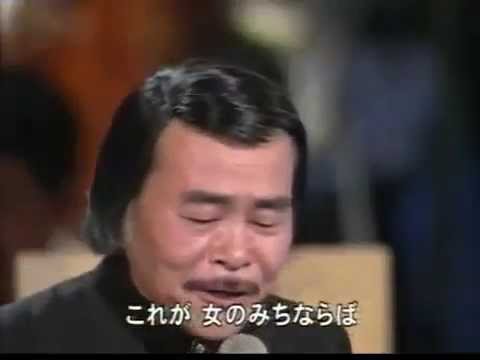
This is one of Shiro Miyako’s signature works, with a wistful vocal delivery and heartrending lyrics that resonate deeply.
Centered on themes of women’s lives and love, the song became a million-seller just one month after its release and ultimately achieved a massive hit with about 1.5 million copies sold.
It won the Best Vocal Performance at the 1972 Japan Record Awards and was also performed on that year’s NHK Kohaku Uta Gassen, making it a defining track of the music scene that year.
Its lyrics, depicting women’s inner conflicts and strength, continue to captivate many listeners today.
A classic of the Showa era that those struggling with love or life should hear.
Falling in LoveKobayashi Akiko

It was chosen as the theme song for the TBS drama series “To Friday Wives III: Falling in Love,” and it sings about the painful, heartrending feelings of a woman who has fallen for a married man.
Artists of all genders have covered it, and it remains popular at karaoke even today.
The Bride of SetoKoyanagi Rumiko

Released in 1972 as Rumiko Koyanagi’s fourth single, this song blends a woman’s resolve and loneliness as she marries into life on a Seto Inland Sea island, and her gentle, conversational vocals resonated with many women.
The lyrics are also striking for the way they evoke the beautiful scenery of the Seto Inland Sea.
MasqueradeShonentai

This is the song that shot straight to No.
1 on the Oricon chart with Shonentai’s debut single.
It became their biggest hit from the very start.
It won numerous newcomer awards in various competitions, catapulting the name Shonentai into the spotlight.
Even now, it’s a song people can liven up a party with by imitating the dance.
SherryOzaki Yutaka

The man’s raw, unvarnished confession—suggesting he has lived with a piercing glare to protect his delicate heart—overflows with a vitality that seems to sweep away anxiety, fear, and cynicism alike.
Before I know it, I find myself rooting for him, and also discovering a version of myself that urges me not to remain a mere bystander.