

Showa-era masterpieces roundup: A must-listen collection of nostalgic oldies and hit songs

In the Showa era, countless masterpieces were created across genres, from pop kayokyoku to enka.
Many of them are still loved today, and we have plenty of chances to hear them.
In recent years, it’s not uncommon for Showa-era songs to experience a revival hit, and I think many younger listeners are also interested in these classics.
In this article, we’d like to reintroduce a generous selection of Showa masterpieces.
We’ve gathered many songs from various genres, so please take your time and give them a careful listen.
- Showa-era nostalgic songs: Popular ranking
- [For Seniors] Popular Kayōkyoku: A Collection of Classic Songs Perfect for Karaoke and Background Music Selection
- A roundup of classic Showa-era kayō songs: a comprehensive introduction to timeless tracks loved across generations.
- Heart-touching, tear-jerking masterpieces from the Showa era
- Just listening to it purifies the heart... A healing song born in the Showa era.
- [Revisited] A roundup of popular and classic Showa-era songs that are trending now [2026]
- [Songs from the Showa Era] Introducing classic tracks that are easy to sing at karaoke.
- Evokes the charm of the good old days. Showa-era inspirational songs that are still loved today.
- A collection of iconic, cool Showa-era kayōkyoku classics sung by male vocalists
- Ranking of Popular Nostalgic Songs and Classics [2026]
- Thrilling to Cool Showa-Era Tunes! Classic Songs from Female Singers and Artists of the Showa Period
- [Classic Showa Kayō Hits] The captivating Showa-era pop songs beloved even by younger generations
- [Nostalgic Hits] Smash Hits with the Showa Generation! Classic and Popular Songs Sung by Female Vocalists
Showa Era Classics: A Must-Listen Collection of Nostalgic Tunes & Hit Songs (41–50)
Purple TownYagami Junko

A heart-stirring classic that portrays urban loneliness and longing for a loved one, set against the backdrop of New York City.
Crafted by Junko Yagami from her own time living in Los Angeles, this gem tenderly wraps the warmth of human connection within the chill and solitude of city life, carried by her clear, luminous voice.
Released in July 1980, the song was also featured in a Japan Airlines commercial and became a major hit, reaching No.
2 on the Oricon chart and selling over 600,000 copies.
It is also known as Yagami’s debut performance piece on that year’s Kōhaku Uta Gassen.
To this day, it remains beloved across generations.
I miss you so muchSono Mari

Released in 1966 (Showa 41).
Although the footage is quite old and in black and white, Mari Sono was very popular among men at the time.
Her unique singing style may have conveyed a certain sensuality.
She sang without opening her mouth much, and her subtle vibrato in the high notes became her hallmark.
Songs expressing the pain of unrequited love were huge hits.
The Flower Girl of TokyoHaruo Oka

A classic from 1946 that paints a single flower of hope blooming at a Tokyo crossroads where blue willows are budding.
Sung with the warmth of Haruo Oka’s voice, the melody gently embraced people’s hearts during the turmoil of the postwar era.
Through the figure of a young flower seller with a gentle demeanor, the image of Tokyo rising from the ashes comes into view.
The lyrics by Sasa Shio and the composition by Gento Uehara blend beautifully, creating a gem of a song in which a definite hope can be felt even amid loneliness.
This work gracefully depicts the feelings of those seeking to take a new step with the arrival of spring.
It is a moving masterpiece recommended for anyone who wishes to spend a heartwarming moment in the spring sunshine.
North AirportKatsura Ginshuku, Hama Keisuke

It’s a song released in 1987, around the time the Showa era was nearing its end.
The setting is Sapporo, with a man and woman departing from a northern airport, and a monument with the lyrics stands in the terminal building of New Chitose Airport.
It’s not a flashy song, but it’s still often sung as a duet at karaoke in snack bars today.
Maiden’s SpringAwaya Noriko

This is a song by Noriko Awaya, a pioneer of chanson in Japan who was also affectionately known as the “Queen of Blues.” Otome no Haru (Maiden’s Spring) was released in 1934 (Showa 9), with music by Yuji Koseki and lyrics by Yoshifumi Shimada.
Strongly imbued with the atmosphere of the Showa era, its gentle sound by the Columbia Orchestra is striking, evoking the warmth of spring.
The lyrics depict a woman in scenes related to spring, expressing moments such as gazing into the distance in contemplation and shedding tears.

The Day the Seagulls FlewWatanabe Machiko
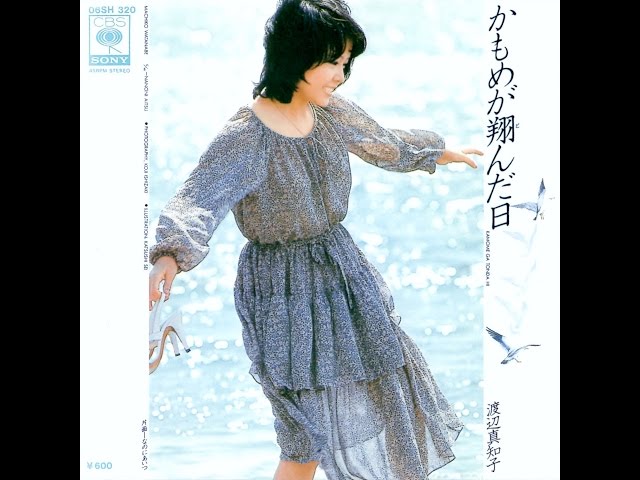
Set in a port town, this gem of a ballad poignantly portrays the pain of heartbreak.
Against the glittering morning seascape, the singer overlays her feelings for a departing lover onto a single seagull, creating a moving masterpiece.
Released in April 1978, it became one of Machiko Watanabe’s signature songs, peaking at No.
5 on the Oricon charts.
The track won numerous music awards and drew attention to her as a rising talent among female singers.
In 2007, it was adopted as a Chiba Lotte Marines cheer song, with a special stadium version also released.
A performance by Japan’s dance team Avantgardey, featuring their unique choreography, garnered significant buzz and boosted the song’s recognition among younger audiences.
It’s a recommended listen for anyone who can relate to a woman quietly accepting the pain of lost love, or for those who wish to revisit youthful memories alongside the scenery of a harbor town.
Romantic Flightkome kome CLUB

This song captures the spirit of adventure in love and dreams, carried by a light, upbeat rhythm, and expresses the feeling of taking off into the unknown with a free spirit.
Crafted by Kome Kome Club, who blend a funky sound with a positive message, it was released in April 1990 and is known as one of the group’s signature works.
It also drew attention as the tie-in song for JAL’s “Okinawa Travel” campaign and topped the Oricon weekly chart.
With its highly entertaining, stage-ready flair, the track delivers a sense of exhilaration and refreshment, as if you’re soaring through the sky.
Even today, it remains a beloved song across generations.