

Showa-era masterpieces roundup: A must-listen collection of nostalgic oldies and hit songs

In the Showa era, countless masterpieces were created across genres, from pop kayokyoku to enka.
Many of them are still loved today, and we have plenty of chances to hear them.
In recent years, it’s not uncommon for Showa-era songs to experience a revival hit, and I think many younger listeners are also interested in these classics.
In this article, we’d like to reintroduce a generous selection of Showa masterpieces.
We’ve gathered many songs from various genres, so please take your time and give them a careful listen.
- Showa-era nostalgic songs: Popular ranking
- [For Seniors] Popular Kayōkyoku: A Collection of Classic Songs Perfect for Karaoke and Background Music Selection
- A roundup of classic Showa-era kayō songs: a comprehensive introduction to timeless tracks loved across generations.
- Heart-touching, tear-jerking masterpieces from the Showa era
- Just listening to it purifies the heart... A healing song born in the Showa era.
- [Revisited] A roundup of popular and classic Showa-era songs that are trending now [2026]
- [Songs from the Showa Era] Introducing classic tracks that are easy to sing at karaoke.
- Evokes the charm of the good old days. Showa-era inspirational songs that are still loved today.
- A collection of iconic, cool Showa-era kayōkyoku classics sung by male vocalists
- Ranking of Popular Nostalgic Songs and Classics [2026]
- Thrilling to Cool Showa-Era Tunes! Classic Songs from Female Singers and Artists of the Showa Period
- [Classic Showa Kayō Hits] The captivating Showa-era pop songs beloved even by younger generations
- [Nostalgic Hits] Smash Hits with the Showa Generation! Classic and Popular Songs Sung by Female Vocalists
Showa Classics Roundup: A Must-Listen Collection of Nostalgic Tunes & Hit Songs (91–100)
my husbandMifune Kazuko

This song, which conveys the spirit of a long-suffering woman and the manly character of the husband who inspires such devotion, encouraged many women who lived through an era when hardship was the norm.
Here lies a feminine aesthetic that feminists might not understand: the joy of living three steps behind.
I don’t have an umbrella.Inoue Yosui

Released in 1972 (Showa 47).
While Yosui’s music spans a wide range of genres, I deliberately regard this song as folk.
In that era, both the lyrics and his vocal delivery gave me an indescribable eeriness.
The song came out just as the student protest movement was waning, and it claims that, rather than the problems of society, the real problem is having no umbrella even though it’s raining.
The ability to sense the changing times and craft a song accordingly can only be described as talent, but Yosui himself commented that he wasn’t particularly conscious of any of that—proving he really is a genius!
Showa Era Masterpieces Collection: Must-Listen Nostalgic Favorites & Hit Songs (101–110)
Northern SpringSen Masao

This is one of Masao Sen’s signature songs, expressing the longing to leave the city behind and return to one’s hometown.
The spring scenery of home is depicted like a watercolor painting, conveying the closeness of the seasons and a poignant yearning for the hometown where family and a loved one await.
Released in April 1977, the song became a massive hit, selling over three million copies, and it earned multiple appearances on NHK’s Kōhaku Uta Gassen.
It has been covered in various languages, including Chinese and Thai, and is beloved by many, especially across Asia.
It’s the perfect song for those moments, with the arrival of spring, when you find yourself wondering, “How is the place where I was born now?” and feel a nostalgic pull toward your hometown.
celebratory sakeSakamoto Fuyumi
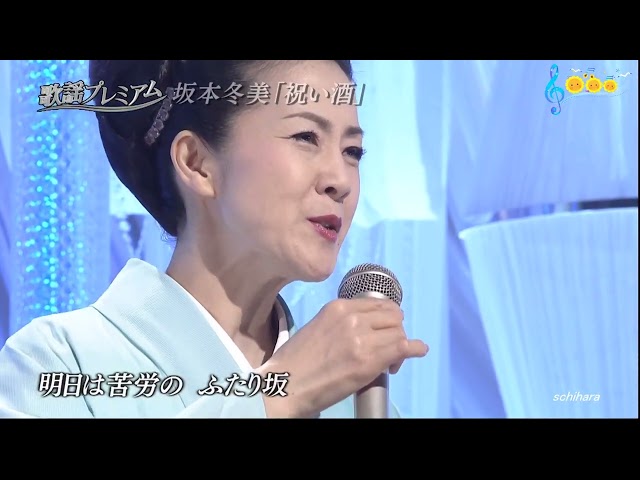
It was Fuyumi Sakamoto’s third single, released in 1988, and it became a long-running hit.
Although its records have been surpassed by more recent songs, this track earned her first appearance on the Kōhaku Uta Gassen.
Even today, it is loved as an auspicious song often sung at weddings.
Love-madnessOkumura Chiyo

There are countless songs in the world that take love as their theme, but this track uses the shocking expression “to go mad” to convey the intensity of that affection.
Created as one piece of a love-themed trilogy, it vividly depicts its world through impactful lyrics and a pleading, clinging vocal delivery.
Goodbye to sorrowanzenchitai

Released in 1985 as Anzen Chitai’s ninth single, it became a big hit thanks to Koji Tamaki’s gentle, translucent voice.
The song also marked their first appearance on the Kohaku Uta Gassen.
It continues to be passed down through covers, including by EXILE’s ATSUSHI and various female artists.
Cape TourYamamoto Kōtarō & Uīkendo

Released in 1974 (Showa 49).
While he had showcased fairly unique songs like “Hashire Kotaro” with Salty Sugar, he made a sudden turn as a solo artist and scored a hit with a serious song.
The song’s protagonist is a man who is taking the “Cape Tour,” a trip he had promised to make with his girlfriend, but now doing it alone.
It’s unclear whether the woman has passed away—interpretations differ.