

Showa-era masterpieces roundup: A must-listen collection of nostalgic oldies and hit songs

In the Showa era, countless masterpieces were created across genres, from pop kayokyoku to enka.
Many of them are still loved today, and we have plenty of chances to hear them.
In recent years, it’s not uncommon for Showa-era songs to experience a revival hit, and I think many younger listeners are also interested in these classics.
In this article, we’d like to reintroduce a generous selection of Showa masterpieces.
We’ve gathered many songs from various genres, so please take your time and give them a careful listen.
- Showa-era nostalgic songs: Popular ranking
- [For Seniors] Popular Kayōkyoku: A Collection of Classic Songs Perfect for Karaoke and Background Music Selection
- A roundup of classic Showa-era kayō songs: a comprehensive introduction to timeless tracks loved across generations.
- Heart-touching, tear-jerking masterpieces from the Showa era
- Just listening to it purifies the heart... A healing song born in the Showa era.
- [Revisited] A roundup of popular and classic Showa-era songs that are trending now [2026]
- [Songs from the Showa Era] Introducing classic tracks that are easy to sing at karaoke.
- Evokes the charm of the good old days. Showa-era inspirational songs that are still loved today.
- A collection of iconic, cool Showa-era kayōkyoku classics sung by male vocalists
- Ranking of Popular Nostalgic Songs and Classics [2026]
- Thrilling to Cool Showa-Era Tunes! Classic Songs from Female Singers and Artists of the Showa Period
- [Classic Showa Kayō Hits] The captivating Showa-era pop songs beloved even by younger generations
- [Nostalgic Hits] Smash Hits with the Showa Generation! Classic and Popular Songs Sung by Female Vocalists
Showa-Era Masterpieces: A Must-Listen Collection of Nostalgic Tunes & Hit Songs (21–30)
The Ten CommandmentsNakamori Akina

As if to rewrite the era of bright, cutesy idols, she put forward a cool, sharp style and, as though perfectly suited to a time when delinquents were popular, provoked with edgy words that felt like a kick to the backside of spineless men.
She was also well known for her diaphragm-driven, from-the-gut vocal delivery.
Love me to the bone.Jō Takuya

This song, his breakthrough work after changing his name from Masao Kikuchi to Takuya Jō, made a huge impact with the striking expression “Ai shite hone made” (Love Me to the Bone) and became a massive hit, selling 1.4 million copies.
The lyricist and his uncle, Yasunori Kawauchi, once again played a key role here.
Twilight feels lonely.N.S.P

Released in 1974 (Showa 49).
The three-member group hails from Iwate Prefecture and formed a band during their high school years.
They were regarded as representatives of lyrical folk and enjoyed enduring popularity.
This song was inspired by a river in Iwate, the members’ home prefecture, and it conveys a pleasant sense of wholesome, rustic simplicity and innocence in the best sense.
The Drunkard Has ReturnedThe Folk Crusaders

This somewhat bizarre song is the debut single by The Folk Crusaders from 1967.
With its sped-up, peculiar vocals and unusual lyrics, it’s a track you won’t forget once you hear it.
However, there are parodies (homages) to foreign artists throughout, so it can’t be simply categorized as an odd folk song.
It was rainy again in Nagasaki today.Uchiyamada Hiroshi to Cool Five
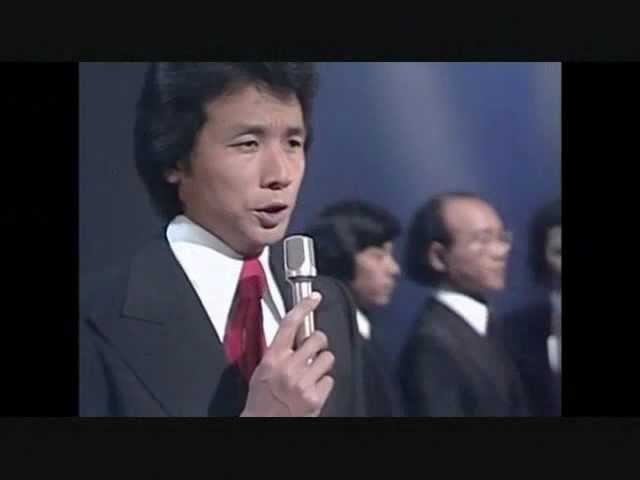
Showa-era songs often included many local-themed tunes, and this one drew attention because its title was unusual.
While many songs of the time were mellow mood numbers sung tenderly, Kiyoshi Maekawa’s powerful vocals were also a factor in its success.
Although Maekawa is often seen as the quiet type, he also ventured into comedy sketches with Kinichi Hagimoto, and this different side of him became popular.
spring hazeIwasaki Hiromi

Released in 1979, this is a poignant love song by Hiromi Iwasaki about spring.
The lyrics, which depict the moment of saying goodbye to a lover during the season when the cherry blossoms are about 60% in bloom, really resonate.
Iwasaki’s clear voice beautifully conveys the fleeting nature of spring and the stirrings of love.
The song was also featured on TBS’s “The Best Ten” and became beloved by many.
It’s a recommended track for those who look back fondly on a past romance with the arrival of spring.
Listening to it as the cherry blossoms begin to bloom may make it feel all the more moving.
Night fog, thank you again tonightIshihara Yūjirō

This is a song filled with the allure of a deep baritone that epitomizes male singers of the Showa era.
The lyrics are striking in the way they depict a secret love being enveloped by the night fog and express gratitude toward that very fog.
Released in February 1967 as one of Yujiro Ishihara’s signature songs, it sold an impressive 2.55 million copies.
Frequently tied in with films and TV dramas, it brims with the charm of Ishihara, who also shone in works like “Taiyo ni Hoero!” and “Seibu Keisatsu.” Highly recommended for those who have experienced parting from someone dear or who harbor a bittersweet love.
It’s a soulful piece that makes you want to listen while walking through a city wrapped in night fog.