


In the Showa era, countless masterpieces were created across genres, from pop kayokyoku to enka.
Many of them are still loved today, and we have plenty of chances to hear them.
In recent years, it’s not uncommon for Showa-era songs to experience a revival hit, and I think many younger listeners are also interested in these classics.
In this article, we’d like to reintroduce a generous selection of Showa masterpieces.
We’ve gathered many songs from various genres, so please take your time and give them a careful listen.
- Showa-era nostalgic songs: Popular ranking
- [For Seniors] Popular Kayōkyoku: A Collection of Classic Songs Perfect for Karaoke and Background Music Selection
- A roundup of classic Showa-era kayō songs: a comprehensive introduction to timeless tracks loved across generations.
- Heart-touching, tear-jerking masterpieces from the Showa era
- Just listening to it purifies the heart... A healing song born in the Showa era.
- [Revisited] A roundup of popular and classic Showa-era songs that are trending now [2026]
- [Songs from the Showa Era] Introducing classic tracks that are easy to sing at karaoke.
- Evokes the charm of the good old days. Showa-era inspirational songs that are still loved today.
- A collection of iconic, cool Showa-era kayōkyoku classics sung by male vocalists
- Ranking of Popular Nostalgic Songs and Classics [2026]
- Thrilling to Cool Showa-Era Tunes! Classic Songs from Female Singers and Artists of the Showa Period
- [Classic Showa Kayō Hits] The captivating Showa-era pop songs beloved even by younger generations
- [Nostalgic Hits] Smash Hits with the Showa Generation! Classic and Popular Songs Sung by Female Vocalists
Compilation of classic Showa-era songs: A must-listen collection of nostalgic tunes and hit singles (1–10)
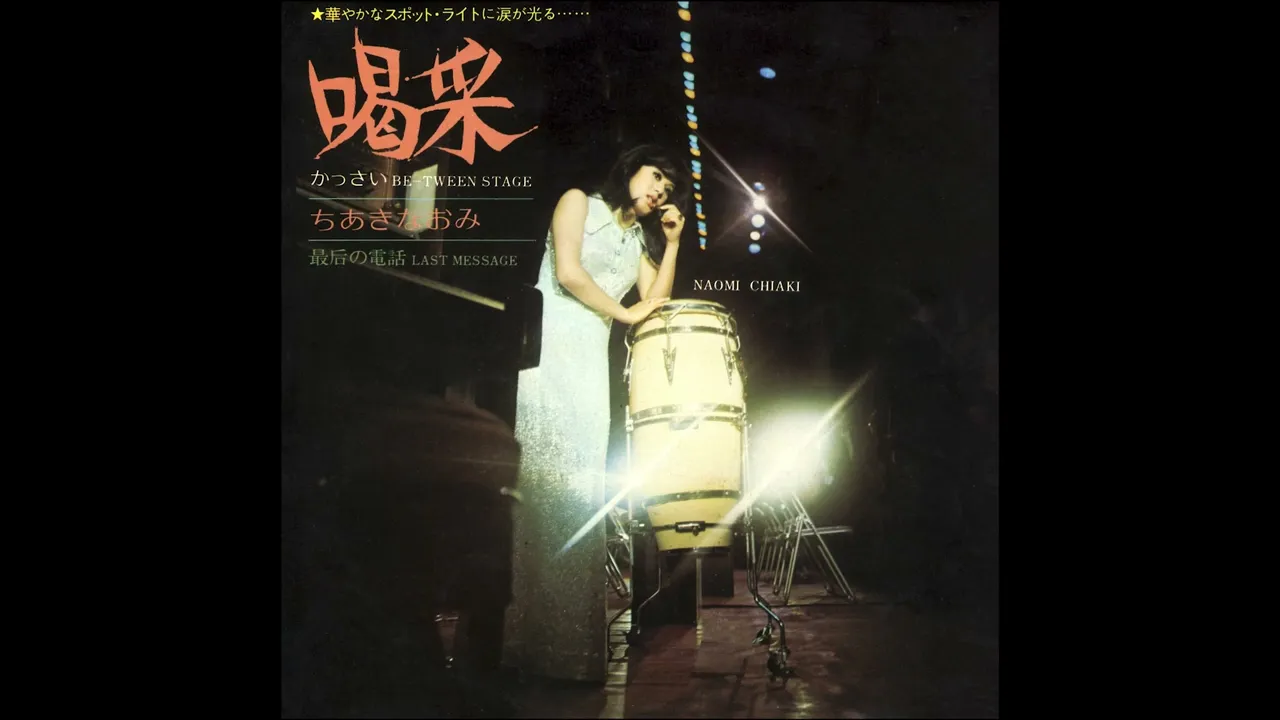
applausechiaki naomi

Known as one of Naomi Chiaki’s signature works, this song moves many listeners with lyrics that portray a singer who shines onstage while bearing deep sorrow.
Released in September 1972, the track won the Japan Record Award that same year.
Its dramatic vocal performance and rich emotional expression were highly acclaimed.
This piece is perfect for those in a complex state of mind, as if feeling both the joys and sorrows of life at once.
Its heartfelt lyrics and Naomi Chiaki’s powerful voice will resonate with listeners, offering comfort and courage.
A Good Day to Set Out on a JourneyYamaguchi Momoe

Beloved by many as a song that conveys the allure of traveling in Japan, it is a journey song that searches for new hope while reflecting on what has been lost.
Coupled with Momoe Yamaguchi’s rich, resonant voice, it continues to resonate with listeners.
Released on November 21, 1978, the song was produced as the theme for Japan National Railways’ travel-promotion campaign.
Although it is well known as a song often performed at send-off occasions such as weddings and graduation ceremonies, its wistful lyrics captivate hearts and never let go.
It’s a piece we highly recommend to anyone on the verge of a new departure or standing at a crossroads in life.
Cotton HandkerchiefŌta Hiromi

Known as one of Hiromi Ohta’s signature songs, this piece is a narrative-rich track themed around a long-distance romance.
The lyrics, written as a dialogue between a man and a woman, were considered innovative for their time.
They carefully portray the shifting emotions of a man who has moved to the city and a woman who remains in their hometown, gripping the listener’s heart.
Released in 1975, the song recorded an astonishing 867,000 copies sold and is highly regarded as a bridge between folk music and kayōkyoku (Japanese pop).
It’s a must-listen for anyone who has experienced a long-distance relationship or a farewell with someone dear.
Look up at the stars in the nightSakamoto Kyu

One of the iconic songs of the Showa era, it continues to resonate closely with many people.
The lyrics, which gently depict young people gazing up at the night sky, pursuing modest happiness and their dreams, are especially memorable.
Originally written as the theme song for a 1960 musical, it became a massive hit after Kyu Sakamoto covered it in 1963, earning the Composer’s Award at the 5th Japan Record Awards.
Set against the backdrop of Japan’s period of rapid economic growth, it has been cherished as a song symbolizing the hopes and efforts of young people who worked by day and studied by night.
It’s a track that gives you the courage to keep moving forward no matter what.
Lingering Snowiruka

A timeless classic that poignantly captures the bittersweet emotions of two people parting ways as unseasonal snow falls.
Iruka’s clear, translucent vocals gently cradle the fading feelings of love as spring arrives.
Released in 1975, it became a treasured ballad that remains in many hearts.
With poetic lyrics crafted by Shōzō Ise and Iruka’s delicate singing in perfect harmony, this piece shines.
It’s a song you’ll want to hear in the springtime season of farewells—perfect for those facing a parting with someone dear or reminiscing about days of youth long past.
Do whatever the hell you want.sawada kenji
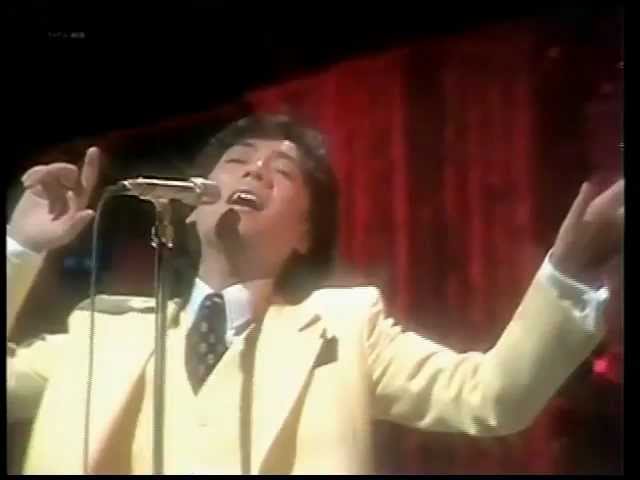
A defining song of the 1970s music scene, this track is known as one of Kenji Sawada’s signature works.
While depicting the complex emotions of a heartbroken man, its lyrics leave a strong impression with their free-spirited attitude and adult melancholy.
Released in May 1977, it spent five consecutive weeks at No.
1 on the Oricon weekly chart, ranked No.
4 on the year-end chart, and became a massive hit with 890,000 copies sold.
It’s a recommended listen for anyone who has experienced heartbreak or is standing at a crossroads in life.
Why not give this piece, packed with Sawada’s charm, a listen?
Tsugaru Strait – Winter SceneIshikawa Sayuri

This work is characterized by a soul-stirring vocal performance and a melody steeped in melancholy.
Through the figures of people traveling from Aomori to Hokkaido, it conveys feelings for one’s hometown and the loneliness of setting out on a journey.
Released in April 1977, it became the song that sparked Sayuri Ishikawa’s breakthrough.
Its evocative depictions of scenes unique to the era when the Seikan ferry was in service are striking, giving the piece a sense of historical value as well.
Listening to it as winter’s cold deepens is sure to resonate even more deeply.
It’s especially recommended for those who cherish nostalgic landscapes and memories.