

[2026] A roundup of female enka singers in their 60s: Artists who support Japanese enka


Enka, a uniquely Japanese music genre, has long been cherished by many people.
From the birth of enka to the present day, countless singers have emerged, and numerous classic songs continue to be loved.
Many of these enka singers captivate audiences with their powerful vocal skills and expressive abilities, and quite a few have gone beyond the confines of enka to thrive in broader fields.
In this article, we’ll focus especially on female singers in their 60s and highlight their appeal.
They are all beloved figures who have energized Japan’s enka scene, so take this opportunity to listen to their music.
- A roundup of female enka singers in their 70s: voices that evoke nostalgia
- A roundup of captivating enka female singers in their 50s [2026]
- Diva of Enka: A roundup of female singers leading the enka world
- [Enka] A special feature on female singers in their 80s. Singers who were active from the early to mid-Showa era.
- A roundup of leading female enka singers representing the Showa era
- [2026] Active in the enka and kayō world! A roundup of beautiful enka singers
- Popular Enka Singers Ranking [2026]
- [Female Singers Edition] The face of New Year’s Eve! Enka singers who appeared on the Kōhaku Uta Gassen
- [2026] Representative Famous Enka Songs: A Compilation of Classic Favorites [Beginner-Friendly]
- [For People in Their 60s] Ranking of Easy-to-Sing Karaoke Songs [2026]
- Classic enka songs you’ll want to sing at karaoke: recommended popular tracks
- A classic Showa-era kayōkyoku song sung by a female vocalist. A nostalgic tune passed down through the years.
- [2026] Easy Enka Songs for Karaoke: Recommended Picks — Women Singers Edition
[2026] Roundup of Female Enka Singers in Their 60s: Singers Supporting Japanese Enka (1–10)
Motivation Bluesyashima hiromi

Hiromi Yashima, a native of Kosai City in Shizuoka Prefecture, made her debut at 19 with “Ai ni Ikiru / Sayonara no Kotoba.” In 1992, she released a cover of “Yaruki-bushi,” originally performed by the Kawaguchi Sisters.
Her solid talent is evident from her winning the Newcomer Encouragement Award at the 9th Japan Song Festival in April 2007.
Listen to Hiromi Yashima’s voice, which stirs a sense of travel and nostalgia, and you’ll almost see the scenery of your hometown come to life.
Be sure to take your time and savor it!
Homesickness on a JourneyNishizaki Midori

Midori Nishizaki is the head of a Japanese dance school, and at the same time an actor and an enka singer who remains at the forefront of her fields.
In fact, she made her debut as a singer at the young age of seven and is a true veteran with over 60 years in the performing arts.
Many may be surprised by the breadth of her talents, which extend far beyond the world of enka.
She gained attention with the duet Nen-nen Funauta with Yoshio Tabata, and in 1974, Tabishū, which became the theme song for the popular period drama Kurayami Shiwatori, sold over a million copies.
The expressive power she cultivated through Japanese dance lends depth to the poignant timbre of her singing voice.
A Station Called HopeUtsumi Miyuki

Miyuki Uchiumi is a captivating multitalent who can master everything from enka and kayōkyoku to folk songs.
After her debut in 1977, her sixth single, “Yopparacchatta,” released in October 1982, became a major hit, selling over 300,000 copies.
She is currently based in New Zealand.
If you want to experience a voice that conveys the depths of life, or if you’re drawn to grand, sweeping stories, immerse yourself in her world of song.
[2026] A roundup of female enka singers in their 60s: Singers supporting Japanese enka (11–20)
Tokyo GirlHonma Yuri

Yuri Honma is an enka singer with a background from the Yamaha Popular Song Contest.
Her 1978 debut single, “Seishun Dōchū Aika,” reached No.
85 on the Oricon charts.
Her slightly husky yet soaring voice captivated listeners.
Although she paused her career for a time to raise her children, after returning she showcased vocals with even greater depth.
Immerse yourself in her exceptional singing ability and the deeply moving world of her music!
Unstaffed stationYanagisawa Junko
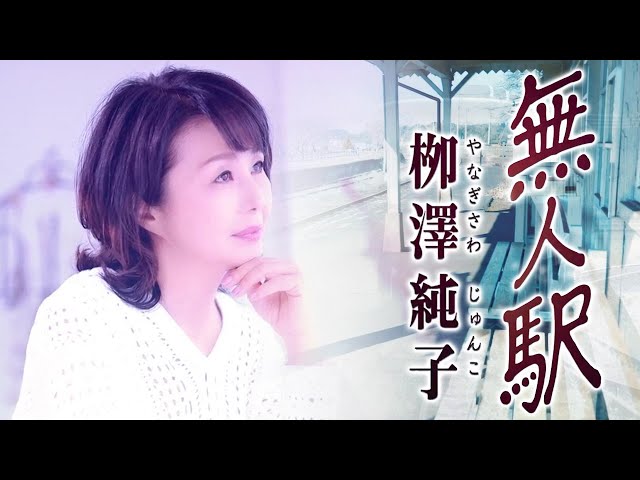
Junko Yanagisawa made a striking debut under the stylish catchphrase “Showa Genroku Karaoke Girl.” Appearing in 1983 as an ‘enka idol,’ she quickly became a household favorite thanks to her endearing charm and assured vocal ability.
Her talent was beyond doubt, as shown by the many newcomer awards she won right after debuting.
Her activities have been impressively wide-ranging, including performing anime theme songs.
She has continually challenged herself with new forms of expression—why not follow the path she’s carved out?
River of LongingTakisato Mi

Satomi Taki, who pursued her dream of becoming a singer while working as a nurse, boasts a background that includes winning the Grand Champion title on “A Star Is Born!” Her indomitable spirit and undeniable talent stood out from the very start of her career.
While she initially exuded an idol-like charm, her 1989 release “Ideyu-bashi” became a hit with cumulative sales exceeding 300,000 copies and is still cherished as one of her signature songs.
Many may also remember “Otoko to Onna no Love Game,” her duet with actor Gin Maeda.
Her voice, tinged with a certain wistfulness yet radiating inner strength, resonates deeply with listeners.
fishing lightsTachibana Mika

Mika Tachiki is known for her versatility, writing both lyrics and music herself.
Since her debut in February 1988, she has continued to captivate audiences with classic enka and kayōkyoku that powerfully convey the bittersweet emotions of women.
Her signature song Shigure no Kaikyō was released to commemorate her 25th anniversary and remains enduringly popular.
She also runs a karaoke lounge in Atami, Shizuoka Prefecture, and her friendly interactions with fans on social media reflect her warm personality.
Let yourself be enchanted by her gently soul-soothing voice.