

[2026] A roundup of female enka singers in their 60s: Artists who support Japanese enka


Enka, a uniquely Japanese music genre, has long been cherished by many people.
From the birth of enka to the present day, countless singers have emerged, and numerous classic songs continue to be loved.
Many of these enka singers captivate audiences with their powerful vocal skills and expressive abilities, and quite a few have gone beyond the confines of enka to thrive in broader fields.
In this article, we’ll focus especially on female singers in their 60s and highlight their appeal.
They are all beloved figures who have energized Japan’s enka scene, so take this opportunity to listen to their music.
- A roundup of female enka singers in their 70s: voices that evoke nostalgia
- A roundup of captivating enka female singers in their 50s [2026]
- Diva of Enka: A roundup of female singers leading the enka world
- [Enka] A special feature on female singers in their 80s. Singers who were active from the early to mid-Showa era.
- A roundup of leading female enka singers representing the Showa era
- [2026] Active in the enka and kayō world! A roundup of beautiful enka singers
- Popular Enka Singers Ranking [2026]
- [Female Singers Edition] The face of New Year’s Eve! Enka singers who appeared on the Kōhaku Uta Gassen
- [2026] Representative Famous Enka Songs: A Compilation of Classic Favorites [Beginner-Friendly]
- [For People in Their 60s] Ranking of Easy-to-Sing Karaoke Songs [2026]
- Classic enka songs you’ll want to sing at karaoke: recommended popular tracks
- A classic Showa-era kayōkyoku song sung by a female vocalist. A nostalgic tune passed down through the years.
- [2026] Easy Enka Songs for Karaoke: Recommended Picks — Women Singers Edition
[2026] A roundup of female enka singers in their 60s: The singers supporting Japanese enka (21–30)
Hokkokukaidō (Hokkoku Highway/Road)Chō Hoyūki

Noriyuki Choho is a singer born in 1959 from Osaka Prefecture.
She debuted in 1985 with “Onna no Jinsei Matta Nashi,” and in 1990 won the Wired Music Award at the Japan Cable Awards with the hit “Shinobi-gawa.” In 1993, she performed at NHK’s Kōhaku Uta Gassen thanks to the smash hit “Horenoji-gasa.” Ms.
Choho’s gorgeous style is captivating.
One can’t help but be charmed by the beauty with which she sings the essence of classic enka and the passions of a woman with rich allure.
Keep an eye on her friendly, regularly updated blog, and be sure to take your time to savor her deeply expressive vocals!

Nostalgic Itsuki VariationHanakyōin Shinobu

Shinobu Kakyoin made a dazzling debut in 1978 with “Fūfudō” and has continued to base her activities in Sendai, Miyagi Prefecture.
Born on August 27, 1957, she brought a fresh breeze to the world of Japanese enka with her warm, heartfelt vocals and performances featuring the shamisen.
In particular, her standing shamisen style captivates audiences and has become her trademark.
Her singing and playing convey a deep love for her hometown and a profound respect for Japanese culture.
Beginning with winning the top International Grand Prix in 1995, she has etched her name in numerous records, and every one of her songs resonates deeply with listeners.
Even now, she enjoys a large fan base and continues to enthrall audiences with emotionally rich performances on stage.
drinking aloneGodai Natsuko

Natsuko Godai, who debuted with “Modorigawa” in 1987, is an enka singer known for her rich, expressive voice.
Notably beautiful in appearance, she was often featured in the media as one of the “beautiful enka singers,” alongside Aya Shimazu and Junko Ishihara.
Although she projects a glamorous image, she actually spent a long time in the trenches early in her career.
Many of her hit songs—such as “Hitorizake,” released in 1994—convey the hardships she went through.

O bird awaiting spring…Oka Yuuko

Yuko Oka, born on September 25, 1957, is one of Japan’s leading enka singers and a seasoned performer who has supported the domestic enka scene since her 1979 debut.
Known for her beautiful voice and exceptional vocal skill, she has performed numerous regional songs from across the country, earning her the nickname “the Singing Map of Japan.” Songs like “Kotobukizake” and “Nagaragawa” are also popular choices for karaoke, showcasing her multifaceted appeal.
With her emotionally rich singing that captivates listeners, Oka’s voice is well worth hearing at least once.
Anemone flaccida (nirinsō; literally “two-flowered anemone”)kawanaka miyuki
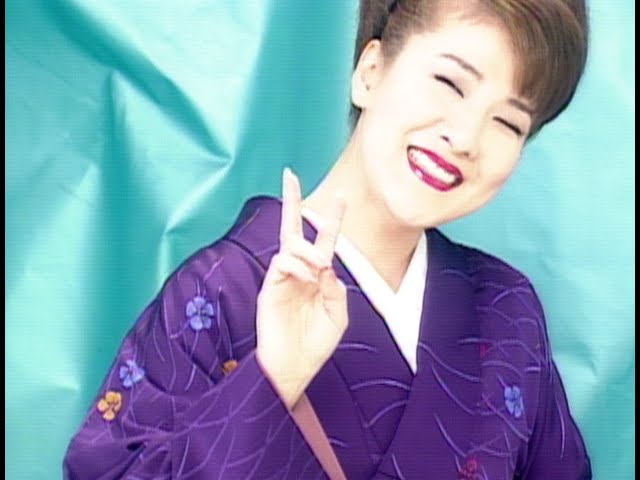
If you enjoy enka with a comforting atmosphere, I recommend Miyuki Kawanaka.
Born in 1955, Kawanaka was born in Yonago, Tottori, and moved to Suita, Osaka, in her childhood.
She debuted as a singer in 1973 under the name Harumi Kasuga and changed to her current name in 1977.
Although she didn’t have any hits before the name change, her fourth single after the change, Futari-zake, became a huge hit in 1980.
Her 1998 song Nirin-sou also became her second million seller.
With a voice that feels friendly and warm, combined with her cheerful expression, her music gives a sense of comfort.
Thanks to that atmosphere, Kawanaka’s enka is truly soothing to the soul.
Spring-anticipating drizzleMatsubara Nobue

Nobue Matsubara, who debuted in 1979 with “Onna no Defune.” Her appeal lies in a straightforward singing style without affectation, even within enka.
She only applies a light kobushi to bring out the song, so her refreshing voice really resonates with the heart.
She has appeared many times on NHK’s Kōhaku Uta Gassen—seven times in total since 1985! She has also released duet songs like “Shinjuku Sodachi,” and those feature delightful back-and-forth between male and female vocals, so be sure to give them a listen!
I’ll give it to you.Nishikawa Mineko
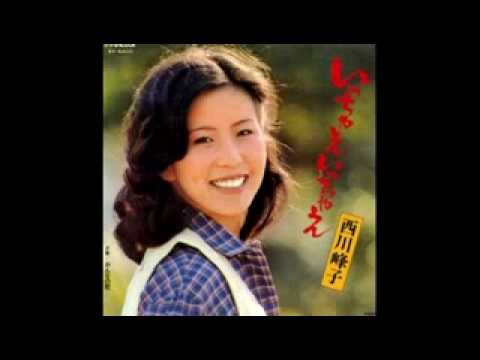
Mineko Nishikawa, born in 1958 and hailing from Fukuoka Prefecture, entered the entertainment industry after winning the 3rd All-Japan Kayō Contest.
She scored a hit right from her 1974 debut single “Anata ni Ageru,” quickly becoming a popular singer.
Her hallmark is a performance style that combines powerful expressiveness with a charming appeal.
You can sense a forward-looking, energetic spirit in her performances—one that hasn’t been dimmed by the many ups and downs she has faced in life.
Active not only as a singer but also as an actress and TV personality, Nishikawa is someone even younger generations may recognize from television.
Her Instagram posts announcing stage plays and kayō shows show that she remains highly active even now in the Reiwa era.