

[2026] A roundup of female enka singers in their 60s: Artists who support Japanese enka


Enka, a uniquely Japanese music genre, has long been cherished by many people.
From the birth of enka to the present day, countless singers have emerged, and numerous classic songs continue to be loved.
Many of these enka singers captivate audiences with their powerful vocal skills and expressive abilities, and quite a few have gone beyond the confines of enka to thrive in broader fields.
In this article, we’ll focus especially on female singers in their 60s and highlight their appeal.
They are all beloved figures who have energized Japan’s enka scene, so take this opportunity to listen to their music.
- A roundup of female enka singers in their 70s: voices that evoke nostalgia
- A roundup of captivating enka female singers in their 50s [2026]
- Diva of Enka: A roundup of female singers leading the enka world
- [Enka] A special feature on female singers in their 80s. Singers who were active from the early to mid-Showa era.
- A roundup of leading female enka singers representing the Showa era
- [2026] Active in the enka and kayō world! A roundup of beautiful enka singers
- Popular Enka Singers Ranking [2026]
- [Female Singers Edition] The face of New Year’s Eve! Enka singers who appeared on the Kōhaku Uta Gassen
- [2026] Representative Famous Enka Songs: A Compilation of Classic Favorites [Beginner-Friendly]
- [For People in Their 60s] Ranking of Easy-to-Sing Karaoke Songs [2026]
- Classic enka songs you’ll want to sing at karaoke: recommended popular tracks
- A classic Showa-era kayōkyoku song sung by a female vocalist. A nostalgic tune passed down through the years.
- [2026] Easy Enka Songs for Karaoke: Recommended Picks — Women Singers Edition
[2026] A roundup of female enka singers in their 60s: Singers supporting Japanese enka (11–20)
Flower BasketSeijo Natsumi

Natsumi Saijo is a powerhouse vocalist who can handle everything from pop to jazz with her soulful voice.
Even before her August 1988 debut with “Sayonara After the Dance,” she had already won numerous grand prizes in local contests, proving her talent.
To mark her 30th anniversary, she released “In the Gentle Flow of Time,” featuring lyrics by Ayako Fuji and music by Satoshi Shimano, further evolving her musical world.
She also created “YATSUSHIRO—Yatsushiro” to express her love for her hometown, and it was chosen as the theme song for Yatsushiro City—one of the many charms of her community-rooted activities.
Whenever you need a boost, try listening to her voice.
weathercockJunko Saegusa

Junko Saegusa is a powerhouse who has supported Japan’s enka and kayō music scenes for over 40 years.
From traditional enka to ballads imbued with the Showa-era mood, her expressive singing has captivated many.
Since her debut in 1979, she has carried on numerous beloved songs, including “Watashi o Ageru” and the duet “Amai Kankei” with former professional baseball player Masahiro Yanagida.
With a voice that resonates in the heart and stage performances that delight audiences, she’s a singer full of must-hear, must-see appeal!
Two People’s ClockMatsubara Ai

Ai Matsubara wears many hats—as an actor and a lyricist.
It might come as a surprise to some that her roots are actually as a singer.
It all began with a singer audition to perform the theme song for the manga Ai to Makoto.
Chosen as the winner from over 3,200 contestants nationwide, she made her debut as part of a duo in 1974.
After switching to a solo career with Yuki no Asa in 1975, she also thrived as an actor, appearing in films directed by Nobuhiko Obayashi and Akira Kurosawa.
Let yourself be moved by her resolute singing voice and the dramatic twists and turns of her life.
Genkai Love SongKano Utaka
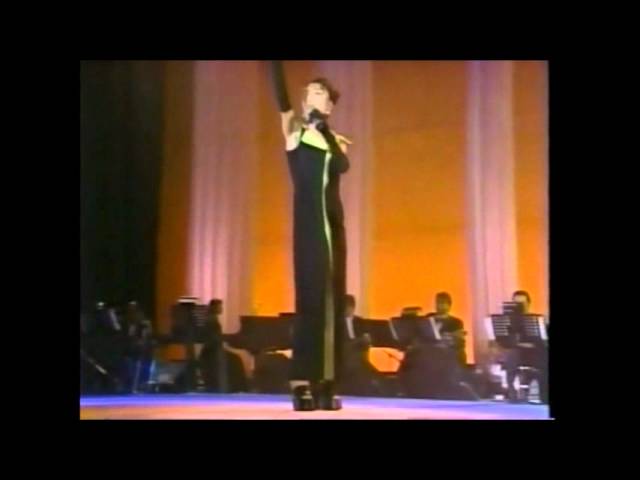
Utaka Kanō, whose charm lies in her sunny personality—she lists “laughing a lot” as a hobby—and her cultural side as a third-dan in calligraphy, is beloved for her broad musical range that, while rooted in enka-kayōkyoku, also incorporates elements of J-pop.
After her 1992 debut, her voice became widely known with the 1997 song Sake wa Hororito, which was featured in a commercial for Kizakura Brewery.
Pierrot no Namida, released in 2000, remains one of her signature songs and was later produced in an acoustic version.
If you want to enjoy both the heart of traditional enka and contemporary music, step into the world of her songs.
Sakura is sakura.Maki Yufuko
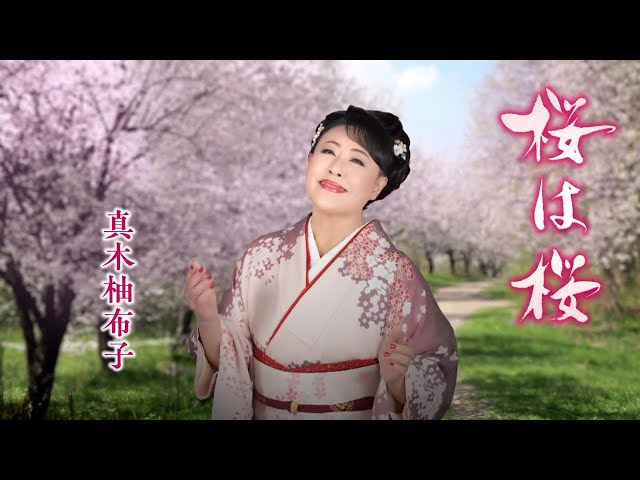
Yuko Maki built the foundation of her acting at the Shiki Theatre Company’s research institute before soaring into the world of enka.
She debuted in 1989 with “Inochi-bana,” winning the Bronze Prize at the Shinjuku Kayō Festival.
Since then, she has earned the King Records Hit Award with an impressive twelve songs, including “Enishi-gawa” and “Ame no Shian-bashi.” Her true forte is the “Enka Musical,” which harnesses the expressive power she cultivated in Japanese classical dance.
Her stage performances—fusing singing, acting, and dance—are nothing short of breathtaking.
If you’re looking to discover something new in music, be sure to check her out!
It can’t be helped.Tamai Kyoko

Kyoko Tamai continues to captivate fans with her wide-ranging musicality, spanning from kayōkyoku and enka to chanson.
She originally performed under the stage name “Kyoko Shimizu,” making her debut in August 1975 with the single “Saishū Ressha no Jiyūseki” (Unreserved Seat on the Last Train).
Her pre-debut experience singing approximately 1,000 songs as a stand-in on television programs may well have laid the foundation for her expressive artistry.
Released in 1976, “Ashita e no Tabibito” (Traveler to Tomorrow) was selected as the theme song for the drama “Edo Tokusō Shirei.” She sings the subtleties of life with rich emotion—be sure to experience her world at least once.
[2026] A roundup of female enka singers in their 60s: The singers supporting Japanese enka (21–30)
freezing rainHino Mika

Mika Hino, known as a diva of the enka world, debuted with Teichiku Records in 1982 and achieved a major breakthrough with “Hisame.” She subsequently produced a string of hits such as “Otoko to Onna no Love Game” and appeared on the NHK Kouhaku Uta Gassen.
In 2003, she also began writing lyrics under the pen name “Karin.” In 2009, she released the mini-album “Yokohama Fall in Love” on her own label, which was selected 5th in Music Magazine’s “Best Albums of 2009,” showcasing her wide-ranging activities.