

[2026] A roundup of female enka singers in their 60s: Artists who support Japanese enka


Enka, a uniquely Japanese music genre, has long been cherished by many people.
From the birth of enka to the present day, countless singers have emerged, and numerous classic songs continue to be loved.
Many of these enka singers captivate audiences with their powerful vocal skills and expressive abilities, and quite a few have gone beyond the confines of enka to thrive in broader fields.
In this article, we’ll focus especially on female singers in their 60s and highlight their appeal.
They are all beloved figures who have energized Japan’s enka scene, so take this opportunity to listen to their music.
- A roundup of female enka singers in their 70s: voices that evoke nostalgia
- A roundup of captivating enka female singers in their 50s [2026]
- Diva of Enka: A roundup of female singers leading the enka world
- [Enka] A special feature on female singers in their 80s. Singers who were active from the early to mid-Showa era.
- A roundup of leading female enka singers representing the Showa era
- [2026] Active in the enka and kayō world! A roundup of beautiful enka singers
- Popular Enka Singers Ranking [2026]
- [Female Singers Edition] The face of New Year’s Eve! Enka singers who appeared on the Kōhaku Uta Gassen
- [2026] Representative Famous Enka Songs: A Compilation of Classic Favorites [Beginner-Friendly]
- [For People in Their 60s] Ranking of Easy-to-Sing Karaoke Songs [2026]
- Classic enka songs you’ll want to sing at karaoke: recommended popular tracks
- A classic Showa-era kayōkyoku song sung by a female vocalist. A nostalgic tune passed down through the years.
- [2026] Easy Enka Songs for Karaoke: Recommended Picks — Women Singers Edition
[2026] Roundup of Female Enka Singers in Their 60s: Singers Supporting Japanese Enka (31–40)
Husband and Wife Roadkanou reiko
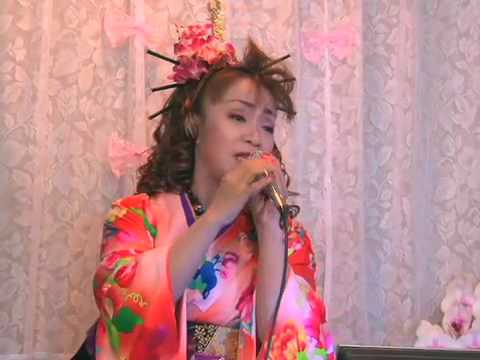
Reiko Kanou was born on March 11, 1963, and is a singer from Nara Prefecture.
After working as an office worker, she attracted attention on stage in 1988 with Shin Kagetsu, and made her debut in 1990 with Tsūtenkaku Ninjō.
Since then, her vocal talent has captivated many fans, and she also appeared in an NHK morning drama series in the role of “Dynamite Reiko.” She gives lectures about overcoming her own disability, offering insight into her character.
Her songs shine with deeply human lyrics and rich emotional expression, leaving a lasting impression the more you listen.
Come back.Matsumura Kazuko

Kazuko Matsumura, born on March 23, 1962, in Hokkaido, is a leading figure in the enka world, known for her solid vocal technique and deeply moving expressiveness.
Her debut song “Kaette Koi yo,” which incorporates the Tsugaru shamisen, has been cherished by many since its release in 1980.
Her appeal transcends the enka genre, and she has pursued a wide range of activities, including an appearance on the TV show “Monomane Ouza Ketteisen” in 1997.
While preserving enka’s traditions, her innovative approach to music makes her an indispensable presence in the Japanese music scene.
Her emotionally rich voice is sure to soothe listeners of all kinds.
In conclusion
As of 2025, we introduced a wide range of female enka singers in their 60s all at once. They are all artists who have long energized Japan’s enka scene! I’m sure many of them are familiar not only to longtime fans but also to people from generations that don’t usually listen to enka. Take this opportunity to listen closely to their songs.