

Soran Bushi: Compare renditions of this classic folk song by various artists!

Soran Bushi is a song you often hear at sports days and school events.
Born in Hokkaido, this folk song is known for its powerful calls and distinctive rhythm, and has been passed down by artists across various genres.
It is loved both in Japan and abroad as one of the representative songs of Japanese folk music.
In this article, we introduce performances of Soran Bushi by singers who cherish folk music, ranging from orthodox renditions to unique modern arrangements.
Why not take this opportunity to discover the profound charm of Soran Bushi, born on the northern land and carefully preserved over the years?
- [Folk and Children's Songs of Hokkaido] Songs of Hokkaido that continue to be loved across generations
- [Japanese Folk and Regional Songs] A Collection of Beloved Masterpieces from Across Japan, Brimming with Local Pride
- [Traditional Performing Arts of Okinawa] A special feature on classic Eisa songs that make you want to dance
- [2026] Masterpieces that sing of Hokkaido: the heart of a beloved homeland passed down in song
- Children’s Song Medley: A playlist of classic and popular hits everyone knows
- [Local Songs] Recommended tracks packed with Japan’s nationwide classics and hometown pride
- [Eisa] A roundup of classic and popular songs—perfect for sports day!
- A classic enka song with a festival theme. A lively and bustling tune.
- A roundup of regional enka songs: classic hits that feature places from all across Japan in their lyrics.
- Folk songs you’ll want to sing at karaoke: classic and popular tunes everyone can enjoy
- Ranking of Popular Folk Songs
- From classic folk dance staples to hidden gems. Introducing recommended tracks!
- [Let's Enjoy Japanese Festival Songs!] Songs about festivals. Famous songs related to festivals.
Soran Bushi: Compare classic folk masterpieces by various artists! (1–10)
Soran BushiNishimikai

A performance brimming with power, as if you can hear the rough northern seas and the lively bustle of the fishery.
With an ensemble that maximizes the collective strength of traditional Japanese instruments—vocals, shamisen, shakuhachi, shinobue, and taiko—it vividly conveys the dynamism woven by calls and interjections.
The lyrics, rooted in work songs from the herring fishery, are imbued with the breath and rhythm of the men of the sea, naturally kindling a fire in the listener’s heart.
For those engaging in expressive activities at sports days or community events, and for anyone wishing to learn the authentic way of singing folk songs, this can be regarded as an invaluable model recording.
TAKiO’s Soran BushiItō Takio

Takio Ito is a folk singer from Hokkaido.
He often performs in sessions with many musicians.
His arrangement of the traditional “Soran Bushi” in a rock style, titled “TAKIO no Soran Bushi (Nanchu Soran Bushi),” is known as one of his signature works.
Ito, who organizes events to make traditional Japanese folk songs and music featuring Japanese instruments more accessible and enjoyable to people of all ages, delivers performances that convey his deep love for folk music.
Boy Matsumae Sōran
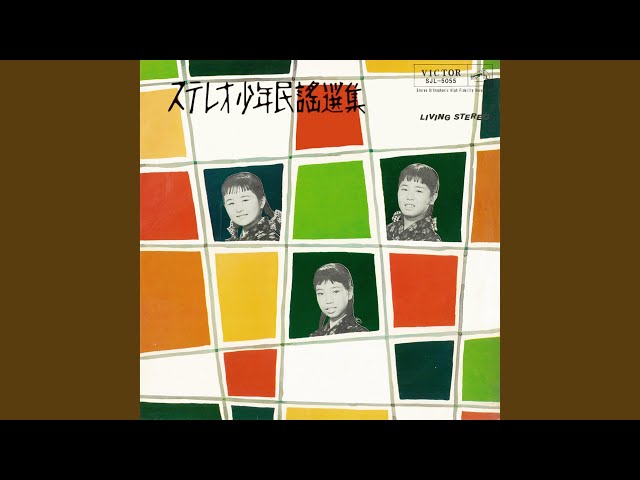
This recording, in which children recreate the powerful work songs handed down in Hokkaido through choral singing, admirably carries on the traditional call-and-response structure.
The main melody is set in a responsive format with refrains like “Yāren Sōran” and “Ha! Dokkoi-sho,” and the sounds of the taiko drums and shamisen ring out crisply.
It’s also appealing how the improvised lyrics born on herring-fishing grounds and the rhythm of labor have been organized in an educationally accessible way.
Perfect for school sports days or choir practice when you want to engage with northern folk songs! This performance conveys a commitment to valuing regional culture and passing it on to the next generation.
Soran Bushi: Compare renditions of this classic folk song by various artists! (11–20)
Ukihana Soranukihana – tooki ukiyo ni hana izanau

This piece is a folk song born from the vigorous herring fishery and work chants of Hokkaido, reinterpreted in a contemporary choral style by a vocal group named after poets of the Heian period.
In this video released in February 2023, five characters—Ono no Komachi, Ariwara no Narihira, Murasaki Shikibu, Sei Shonagon, and Ki no Tsurayuki—each take on distinct vocal timbres and roles, building layered harmonies that span a wide range from soprano to low registers.
While preserving the dynamism of the original song, the arrangement impressively blends the richness unique to choral music with a sense of traditional Japanese elegance.
If you’ve encountered Soran Bushi at school events or sports days, you’ll likely feel a mix of nostalgia and novelty.
It’s also recommended for those who enjoy a Japanese-inspired aesthetic.
Soran BushiKato Erina

Set against the majestic seas of Hokkaido, this work song powerfully evokes the once-thriving fishing grounds.
Erina Kato’s shamisen-accompanied vocal performance features a razor-sharp tone and clear projection, ringing out the festive refrains “Yāren Sōran” and “Ha-dokkoi” with spirited vigor.
Released on YouTube in September 2021, the piece surpassed 10,000 views, proving the enduring appeal of folk songs that transcend regional boundaries.
Keep an eye on Kato’s work—through her album Itoyura and her activities with the folk unit Ezo’n, she masterfully balances traditional melodic inflections with contemporary listenability.
Esashi Oiwake, Prelude ~ Soran BushiSaisei

A young enka singer, Ayasei, takes on the challenge of bringing Hokkaido’s representative folk songs into the present.
This performance is included on a single released by Nippon Columbia in February 2021, showcasing interpretations that shine with the insight of someone who has studied folk music since the age of five.
It opens by quietly creating a taut atmosphere with the prelude to Esashi Oiwake, then unfolds into Soran Bushi, marked by the powerful calls of the herring fishery.
While preserving traditional melodic inflections, his expressive command of pacing on stage—enhanced by performing shamisen and shakuhachi himself—is especially compelling.
Soran-bushi (from “Northward,” Four Japanese Folk Songs for Mixed Chorus and Piano)Matsushita Kou

A work spun by Ko Matsushita—renowned as a composer of choral music—based on a Hokkaido folk song is included as the fourth piece of Four Japanese Folk Songs “Kita e” for mixed chorus and piano.
While making use of the original song’s herring-fishery shouts and its powerful spirit that faces rough seas, it fuses jazz tension chords and rock upbeats into a contemporary sound.
The score was published by Ongaku no Tomo Sha in November 1997.
Frequently chosen for choral concerts and competitions, this piece, which expresses the breath of seafaring men through chorus, is perfect for occasions where you want to present a performance with unified strength.