


Soran Bushi is a song you often hear at sports days and school events.
Born in Hokkaido, this folk song is known for its powerful calls and distinctive rhythm, and has been passed down by artists across various genres.
It is loved both in Japan and abroad as one of the representative songs of Japanese folk music.
In this article, we introduce performances of Soran Bushi by singers who cherish folk music, ranging from orthodox renditions to unique modern arrangements.
Why not take this opportunity to discover the profound charm of Soran Bushi, born on the northern land and carefully preserved over the years?
- [Folk and Children's Songs of Hokkaido] Songs of Hokkaido that continue to be loved across generations
- [Japanese Folk and Regional Songs] A Collection of Beloved Masterpieces from Across Japan, Brimming with Local Pride
- [Traditional Performing Arts of Okinawa] A special feature on classic Eisa songs that make you want to dance
- [2026] Masterpieces that sing of Hokkaido: the heart of a beloved homeland passed down in song
- Children’s Song Medley: A playlist of classic and popular hits everyone knows
- [Local Songs] Recommended tracks packed with Japan’s nationwide classics and hometown pride
- [Eisa] A roundup of classic and popular songs—perfect for sports day!
- A classic enka song with a festival theme. A lively and bustling tune.
- A roundup of regional enka songs: classic hits that feature places from all across Japan in their lyrics.
- Folk songs you’ll want to sing at karaoke: classic and popular tunes everyone can enjoy
- Ranking of Popular Folk Songs
- From classic folk dance staples to hidden gems. Introducing recommended tracks!
- [Let's Enjoy Japanese Festival Songs!] Songs about festivals. Famous songs related to festivals.
Soran Bushi: Compare classic folk masterpieces by various artists! (1–10)
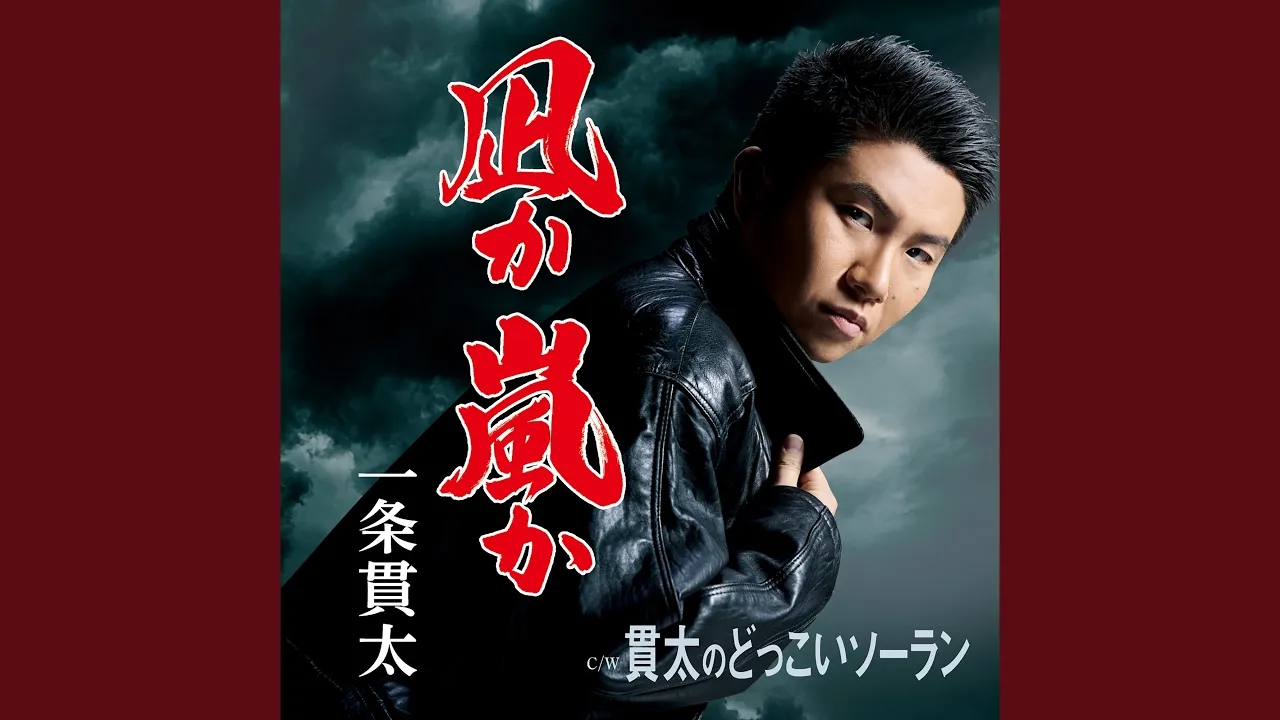
Kanta’s Dokkoisho SoranIchijō Kanta

This coupling track, released in February 2025, powerfully revives the Soran Bushi—known nationwide as a Hokkaido fishermen’s song—in a Reiwa-era enka style.
By fusing traditional call-and-response interjections with a four-on-the-floor beat, it gives the well-known Nanchu Soran, often heard at school sports festivals, a more danceable finish.
Included on the single “Nagi ka Arashi ka,” and packaged with choreography and a lead sheet, this piece serves as a killer tune that pulls audiences in at stages and event venues.
Kanta Ichijo’s deep, rugged vocals brilliantly bridge the force of folk song with contemporary pop, making it a guaranteed crowd-pleaser for karaoke as well.
Soran BushiMiyama Hiroshi, Fukuda Kohei

This performance layers Mr.
Miyama’s pristine vibrato and soaring high notes with Mr.
Fukuda’s robust, folk-trained chest voice to convey the primal power of a fishermen’s song.
You can vividly imagine the bustling energy of the fishing grounds.
The arrangement, augmented with taiko drums and a band setup, creates a rousing momentum that invites responsive shouts and handclaps.
The two singers, embodying the classic lineage of enka, draw out both the physicality of folk music and the appeal of popular song—truly a moment where tradition and innovation intersect.
Drunken SongYoshi Ikuzo

Released in 1990 by Ikuzo Yoshi, this work is a masterpiece that portrays the feelings of a man quietly drinking alone in a corner of the city.
From the very beginning, it sings of a man thinking of a woman in the falling rain, and in the chorus the calls from the Soran Bushi ring out strikingly.
Its distinctive structure fuses elements of Tsugaru folk music with an enka ballad, colored by a weeping guitar and female chorus that vividly evoke the atmosphere of a tavern.
A classic that condenses a bittersweet love story, the vigor of the Soran Bushi, and many other elements.
Please enjoy its flavor, which differs slightly from the orthodox Soran Bushi.
Soran BushiIshikawa Sayuri

An overwhelming performance by Sayuri Ishikawa, who revived Hokkaido folk songs through the power of rock and kayōkyoku.
Featured on her March 2019 album “Tami,” this track, arranged by Seiji Kameda and recorded in the studio with Tomoyasu Hotei on lead guitar, elevates what had long been a stage staple of folk repertoire into a definitive recorded work.
The interplay of distorted electric guitar and traditional folk chants channels the exhilaration of festival music with rock’s dynamics, preserving tradition while reaching new listeners.
A performance that reaffirms just how cool Japanese music can be.
Soran Festival SongTendō Yoshimi

Released in September 2012 to mark Yoshimi Tendo’s 40th debut anniversary, this work is an ambitious piece that elevates Hokkaido’s traditional folk music into contemporary enka as a “festival verse.” With a powerful narrative voice, it expresses gratitude to the mother sea and depicts the valiant figures of fishermen, amplifying a festive mood by mixing taiko-style rhythmic drive with the lift of brass.
Tendo’s distinctive vocal ornamentation (kobushi) deftly weaves in calls and responses, instantly drawing listeners in.
It charted around No.
50, a solid showing, and has been loved as a battle-tested track included on later best-of compilations.
Serving as a bridge between tradition and modernity, it’s perfect for moments when everyone wants to raise their voices together and get fired up.
Akira’s Soran BushiKobayashi Akira

Interweaving the powerful calls of “Yaren” and “Soran,” it sings of the lives and loves of men who make their living on the fishing grounds.
Released as a single in October 1960, this performance served as the theme song for the film “The Prairie Migratory Bird.” Thanks to Masaru Endo’s supplementary composition, the melody gains dramatic contours, while the arrangement—featuring brass and strings—adds a pop sheen to the folk-style phrasing.
Akira Kobayashi’s signature taut high notes and clipped line endings make this a superb performance that highlights the gallantry of men of the sea.
Soran BushiEri Chiemi
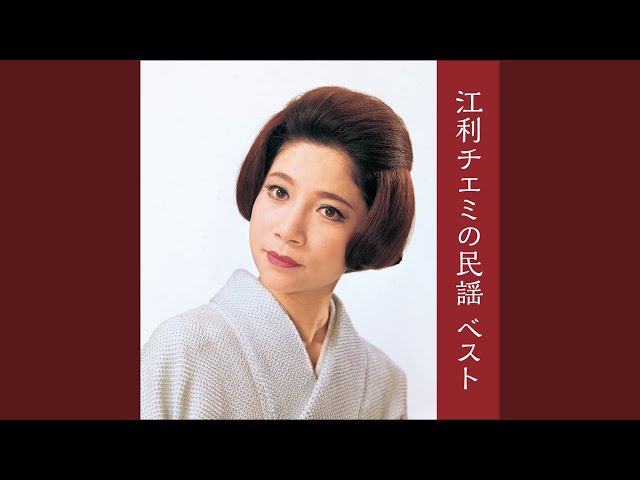
A fishermen’s work song rooted in Hokkaido’s rough seas and harsh labor is given an urbane finish with big band horns and percussion.
Recorded in December 1959 on the album “Chiemi’s Folk Song Collection Vol.
2: From North to South,” this performance retains the original call-and-response while delivering a swing-infused arrangement.
The powerful shouts and sprightly rhythm blend exquisitely, elevating the piece into danceable music that preserves the core of the folk song—Chiemi Eri’s unique take on “Soran Bushi.” Why not listen and picture the great northern land?