

Nursery rhymes to sing in spring: a collection of classic songs you'll want to sing with your children
When you feel the arrival of spring, do gentle melodies of children’s spring songs ever come to mind? Wouldn’t it be lovely to share the warmth of the season and the beauty of nature with your child through seasonal songs? Children’s songs are made with gentle words and rhythms that are easy for little ones to enjoy, and they have the power to warmly embrace parent–child communication.
In this article, we’ll introduce a wide range of children’s songs perfect for spring.
While out for a walk or playing at home, try finding a favorite tune and singing it together!
Playlist
| Nursery rhymes to sing in spring: a collection of classic songs you'll want to sing with your children | |||
|---|---|---|---|
| show_chart | Title | Playlist | Review |
| 1east | Come, springSakushi: Soma Gyofu / Sakkyoku: Hirota Ryutaro |  play_arrow play_arrow | A baby and flower buds awaiting the arrival of spring |
| 2east | FlowerSakushi: Takeshima Hane / Sakkyoku: Taki Rentarō |  play_arrow play_arrow | The Appeal and Background of Rentaro Taki’s Spring Masterpiece “Hana” |
| 3east | Spring somewhereSakushi: Momota Sōji / Sakkyoku: Kusakawa Shin |  play_arrow play_arrow | A song that evokes spring through melting snow and the voices of living creatures |
| 4east | School of MedakaSakushi: Chaki Shigeru / Sakkyoku: Nakata Yoshinao |  play_arrow play_arrow | Medaka no Gakkō is a spring seasonal song |
| 5east | Spring StreamSakushi: Takano Tatsuyuki / Sakkyoku: Okano Teiichi | 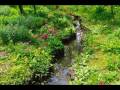 play_arrow play_arrow | A children's song about a spring brook |
| 6east | Spring has come.sakushi: takano tatsuyuki / sakkyoku: okano teiichi |  play_arrow play_arrow | Spring Has Come. A famous children's song from the Meiji era. |
| 7east | Happy HinamatsuriSakushi: Yamano Saburō (Satō Hachirō) / Sakkyoku: Kawamura Naonori (Kawamura Kōyō) |  | Article introducing a children’s song for Hinamatsuri (Doll’s Festival) |
| 8east | butterflySakushi: Nomura Akio / Sakkyoku: Supein min’yō |  play_arrow play_arrow | Butterfly is a German folk song with a total of four verses. |
| 9east | Opened, openedwarabe uta |  play_arrow play_arrow | A spring children's song, singing of nature and tradition |
| 10east | spring breezeSakushi: Katō Yoshikiyo / Sakkyoku: Fositā |  play_arrow play_arrow | A song that expresses the coming of spring through the spring breeze |
| 11east | Teacher and friendsSakushi: Yoshioka Osamu / Sakkyoku: Koshibe Nobuyoshi |  play_arrow play_arrow | Support children's new lives through interactions between teachers and friends |
| 12east | Early Spring OdeSakushi: Ichimasa Yoshimaru / Sakkyoku: Akira Nakata |  play_arrow play_arrow | Early Spring Song is a historic school song released in 1913. |
| 13east | The Hill Where Mandarin Orange Blossoms BloomSakushi: Katō Shōgo / Sakkyoku: Kainuma Minoru |  play_arrow play_arrow | A heartwarming children's song that depicts love for one's mother |
| 14east | TulipSakushi: Kondo Miyako / Sakkyoku: Inoue Takeshi |  play_arrow play_arrow | A song that sings of the beauty of spring tulips |
| 15east | Flower ShadowSakushi: Omura Kazuē / Sakkyoku: Toyota Giichi |  play_arrow play_arrow | The poignant sorrow of an older sister’s marriage and parting |
| 16east | Green breezesakushi: shimizu katsura / sakkyoku: kusakawa shin |  play_arrow play_arrow | Introducing songs perfect for the fresh greenery of spring |
| 17east | carp streamerSakushi: Kondō Miyako / Sakkyoku: Fushō |  play_arrow play_arrow | Koinobori is a famous spring children’s song from May. |
| 18east | Let’s clap our handsSakushi: Kobayashi Jun’ichi / Sakkyoku: Chekosurobakia min’yō |  play_arrow play_arrow | A hand play song with Japanese lyrics set to a Czech folk tune |
| 19east | The flower smiled.Sakushi: Hotomi Kōgo / Sakkyoku: Yuyama Akira |  play_arrow play_arrow | A children's song depicting a spring scene where flowers smile |
| 20east | Buzz buzz buzzSakushi: Murano Shirou / Sakkyoku: Bohemia min’yō |  play_arrow play_arrow | A piece depicting a spring scene of bees gathering nectar from flowers |
| 21east | dandelionwarabeuta asobi |  play_arrow play_arrow | A nursery rhyme for parents and children to enjoy with dandelion fluff play |
| 22east | When spring comesFukuda Sho |  play_arrow play_arrow | Expressive play/dance song where you pretend to be springtime nature |
| 23east | Mysterious PocketSakushi: Mado Michio / Sakkyoku: Watanabe Shigeru |  play_arrow play_arrow | A nursery rhyme where tapping your pocket makes the candy increase |
| 24east | All set and ready to go!nagata maya/hanada yuuichirou |  play_arrow play_arrow | A children’s song that makes getting ready fun |
| 25east | Close It, Open Itsakushisha fushou |  play_arrow play_arrow | The hand-play song was composed by Rousseau and spread in Japan. |
| 26east | A bamboo shoot has sprouted.warabeuta asobi |  play_arrow play_arrow | Expressing bamboo shoot growth with a hand play |
| 27east | skylark skylarkwarabeuta asobi |  play_arrow play_arrow | A children’s hand-clapping game/song themed around spring birds |
| 28east | Blow, O wind, blowSakushi: Yamamoto Morihisa / Sakkyoku: Komori Akihiro |  play_arrow play_arrow | Theme song of a refreshing breeze |
| 29east | Waltz of the MountainsSakushi: Kayama Yoshiko / Sakkyoku: Yuyama Akira |  play_arrow play_arrow | A nursery rhyme about animals coming to the mountain kindergarten |
| 30east | Little Horsetail |  play_arrow play_arrow | A spring children's song themed around horsetails (tsukushi) |
| 31east | Caro’s eyeballwarabeuta |  play_arrow play_arrow | A fun children’s song with a frog theme |
| 32east | Which child is a good child?warabeuta |  play_arrow play_arrow | Choosing who’s “it” with a children’s song |
| 33east | Number SongSakushi: Yume Niji Ni / Sakkyoku: Kotani Hajime |  play_arrow play_arrow | A song that sings by likening numbers to shapes |
| 34east | Zebra SwirlSakushi: Endou Kouzou / Sakkyoku: Inui Hiroki |  play_arrow play_arrow | A hand-clapping song about taking a zebra’s stripes off and turning it into another animal |
| 35east | What color do you like?Sakushi: Sakata Osamu / Sakkyoku: Inui Yuki |  play_arrow play_arrow | A famous song that celebrates the joy of choosing colors with crayons |
| 36east | Panda Rabbit Koalasakushi: takada hiroo / sakkyoku: inui hiroki |  play_arrow play_arrow | Introduction to songs featuring animals |
| 37east | March in springSakushi: Koharu Kyuichiro / Sakkyoku: Yatabe Hiroshi |  play_arrow play_arrow | Nursery rhymes that evoke the feeling of spring are loved at daycare centers. |
| 38east | Denderaryubawarabeuta |  play_arrow play_arrow | Smiles and fun with a hand-clapping song originating in Nagasaki |
| 39east | Huh, where is it?Sakushi: Kanzawa Toshiko / Sakkyoku: Koshibe Nobuyoshi |  play_arrow play_arrow | Develop observation skills with a fingerplay song that looks for animal parts |
| 40east | Tulipdōyō |  play_arrow play_arrow | The History and Charm of Children’s Songs Depicting Spring Flowers |
| 41east | Hello with a handshakeSakushi: Mado Michio / Sakkyoku: Watanabe Shigeru |  play_arrow play_arrow | A hand play song depicting new encounters in spring |
| 42east | Mother is spring.Sakushi: Yamakawa Keisuke / Sakkyoku: Shibuya Takeshi |  play_arrow play_arrow | A song in which my mother sang of spring’s gentleness |
| 43east | Goodbye, Our KindergartenSakushi: Shinzawa Toshihiko / Sakkyoku: Shimazutsu Hideo |  play_arrow play_arrow | A graduation ceremony staple song, children singing it with gratitude |
| 44east | motherSakushi: Tanaka Nana / Sakkyoku: Nakada Yoshinao |  play_arrow play_arrow | A nursery rhyme that expresses the parent-child bond and is loved across generations |
| 45east | Good Morning SongSakushi: Tanaka Tadamasa / Sakkyoku: Kawamura Koyo |  play_arrow play_arrow | Introduction to a children's song for spring morning greetings |
| 46east | Flower HotelSakushi: Fuyumori Kayoko / Sakkyoku: Shiratori Emiko |  play_arrow play_arrow | A dreamlike world called the Flower Hotel |
| 47east | Thump-thump, boom! First Graderssakushi: itō akira / sakkyoku: sakurai jun |  play_arrow play_arrow | A cheerful anthem that captures the hopes and anxieties of new students |
| 48east | The shoes make a sound.Sakushi: Shimizu Katsura / Sakkyoku: Hirota Ryūtarō |  play_arrow play_arrow | 'Kutsu ga Naru,' a song about a springtime walk |
| 49east | Good morning, crayonSakushi / Sakkyoku: Taniyama Hiroko |  play_arrow play_arrow | A fun song where crayons turn into food |
| 50east | Hello, my friendsSakushi: Oikawa Nemuko / Sakkyoku: Matsumoto Toshiaki |  play_arrow play_arrow | A classic song themed around nature and friendship |
| 51east | Song of a Little BirdKato Ichika / Kinjo Narumi |  play_arrow play_arrow | A spring children's song that enjoys imitating little birds' chirping |
| 52east | springSakushi: Yoshida Tomi / Sakkyoku: Inoue Takeshi |  play_arrow play_arrow | Introduction to a nursery rhyme that heralds the arrival of spring |
| 53east | Song of a little birdSakushi: Yoda Jun’ichi / Sakkyoku: Akutagawa Yasushi |  play_arrow play_arrow | A cute nursery rhyme that sings about little birds chirping |
| 54east | Tea PickingMonbushō shōka |  play_arrow play_arrow | “Chatsumi” is a familiar children's song characterized by poetic lyrics. |
| 55east | Japanese bush warblerSakushi: Hayashi Ryūha / Sakkyoku: Inoue Takeshi |  play_arrow play_arrow | I feel the arrival of spring in the song of the bush warbler. |
| 56east | Spring MeadowSakushi: Sakata Hiroo Sakkyoku: Ichikawa Toshiharu |  play_arrow play_arrow | A nursery rhyme of foals galloping on a spring ranch |
| 57east | yomogi-jōbu nowarabeuta |  play_arrow play_arrow | Old-fashioned children's songs, wisdom of living in harmony with nature |
| 58east | one bamboo shootwarabe uta |  play_arrow play_arrow | A spring children’s song: playing the roles of the demon and the bamboo shoot. |
| 59east | Churippu sharippuwarabe uta |  play_arrow play_arrow | Connecting children's hearts through nursery rhymes |
| 60east | A Hazy Moonlit NightSakushi: Takano Tatsuyuki / Sakkyoku: Okano Teiichi |  play_arrow play_arrow | A children's song that sings of a spring night scene with a hazy moon |
| 61east | Warm and leisurely strollingSakushi: Sakata Hiroo / Sakkyoku: Komori Akihiro |  play_arrow play_arrow | A spring children’s song featuring a bright melody |
| 62east | Etenraku Imayōsakushi: Jien |  play_arrow play_arrow | “Etenraku Imayō” is an old song that sets Jien’s waka poetry to the gagaku piece “Etenraku.” |
| 63east | The Bento Box SongSakushi: Kayama Yoshiko/Shokyoku: Komori Akihiro |  play_arrow play_arrow | The Bento Box Song and Hand Play |
| 64east | When I become a first graderSakkyoku: Yamamoto Naozumi / Sakushi: Mado Michio |  play_arrow play_arrow | Expressing the growth and hopes of a child entering school |
| 65east | Height comparisonSakushi: Umino Atsushi / Sakkyoku: Nakayama Shinpei |  play_arrow play_arrow | A hopeful children's song that celebrates children's growth on Children's Day. |
| 66east | Horsetail shoots are poking up. |  play_arrow play_arrow | A wordplay masterpiece that lets you feel the breath of spring |
| 67east | Bamboo shoots are sprouting.warabeuta |  play_arrow play_arrow | Warm children's hearts with spring hand-play songs |
| 68east | Roly-poly pill bugSakushi sakkyoku/Shinzawa Toshihiko |  play_arrow play_arrow | A cute hand-play song for little creatures |
| 69east | Let’s go to the park.Sakushi sakkyoku: Sakata Osamu |  play_arrow play_arrow | A warm spring song that transcends generations |
| 70east | Cute Hide and SeekSakushi: Satou Hachirou/Sakkyoku: Nakata Yoshinao |  play_arrow play_arrow | A nursery rhyme about animals playing hide-and-seek |
| 71east | A strawberry is a strawberry.Sakushi: Kotaki Kiyomi / Sakkyoku: Fujita Taishi |  play_arrow play_arrow | An enchanting track from NHK’s popular children’s songs |
| 72east | I want to scribble on the sky.sakushi: Yamagami Michio / sakkyoku: Izumi Taku |  play_arrow play_arrow | Introduce cheerful children's songs for the season of fresh greenery |
| 73east | ladybugSakushi: Shimizu Aki / Sakkyoku: Kobayashi Tsuyae |  play_arrow play_arrow | A ladybug nursery rhyme, perfect to sing in spring |
| 74east | What color do you like?Sakushi: Sakata Osamu / Sakkyoku: Inui Yuki |  play_arrow play_arrow | The charm of children’s songs that sing about the world of colors |
| 75east | Playing bus (pretend bus play)Sakushi: Kayama Yoshiko / Sakkyoku: Yuyama Akira |  play_arrow play_arrow | A nursery rhyme about the excitement of riding a bus |
| 76east | hometownshouka |  play_arrow play_arrow | A song that symbolizes the Japanese spirit, expressing feelings for one’s hometown |
| 77east | Has the plum blossomed? |  play_arrow play_arrow | Have the plum blossoms bloomed? A song about romantic feelings for the opposite sex. |
| 78east | UraraSakushi sakkyoku: Mizuno Yoshiki |  play_arrow play_arrow | Introduction to the theme song of Okaasan to Issho |
| 79east | Spring has come.Sakushi: Tomorogi Yukio / Sakkyoku: Mine Akira |  play_arrow play_arrow | A song that makes the heart rejoice with the arrival of spring |
| 80east | Friendly PathSakushi: Mitoma Yasushi / Sakkyoku: Kawamura Koyo |  play_arrow play_arrow | Nakayoshi Komichi is a 1939 children's song. |
| 81east | Harukaze DenwaSakushi: Tawara Machi / Sakkyoku: Fukuda Wakako |  play_arrow play_arrow | A nursery rhyme where spring flowers give updates over the phone |
| 82east | Haze or cloud?Sakushi: Kabe Iwao |  play_arrow play_arrow | A spring-awaiting song set to a German folk tune with Japanese lyrics |
| 83east | Happy HinamatsuriKawamura Junko |  play_arrow play_arrow | Feel the spring with traditional Hinamatsuri songs |
| 84east | The Puppy Police OfficerSakushi: Satō Yoshimi / Sakkyoku: Ōnaka Megumi |  play_arrow play_arrow | The Lost Kitten and the Policeman’s Dog |
| 85east | Mr. Ant on an errandsakushi: Sekine Eiichi / sakkyoku: Dan Ikuma |  play_arrow play_arrow | Activities of spring insects and children’s songs |
| 86east | lazyboneswarabe uta |  play_arrow play_arrow | Celebrate the arrival of spring with a horsetail (tsukushi) children's song |
| 87east | Join the Dandelion Gang!Sakushi Sakkyoku: Sakata Osamu |  play_arrow play_arrow | Feel the warmth of spring and join the Dandelion Squad |
| 88east | Mr. ElephantSakushi: Mado Michio / Sakkyoku: Dan Ikuma |  play_arrow play_arrow | Zō-san is a nursery rhyme that loves its mother |
| 89east | The Little Train from the Land of FlowersSakushi: Kobayashi Junichi / Sakkyoku: Nakada Yoshinao |  play_arrow play_arrow | A nursery rhyme about trains with distinctive onomatopoeia |
| 90east | dandelionSakushi: Kadokura Satoshi / Sakkyoku: Horikoshi Kiyoshi |  play_arrow play_arrow | Dandelion, a classic that sings of hope and strength |
| 91east | spring breezeSakushi: Wada Tetsuzou / Sakkyoku: Hirose Ryouhei |  play_arrow play_arrow | A musical piece that portrays the arrival of the season with the spring breeze |
| 92east | Sakura, sakura |  play_arrow play_arrow | The quintessential spring cherry blossom song, “Sakura Sakura.” |