

Surprisingly unknown? Trivia Quiz [Multiple Choice: 3 Options]


Fun facts make you want to share them with others, don’t they? In this article, we’ll introduce little-known facts about health and daily life in a quiz format—things that many people surprisingly don’t know.
You’ll find plenty of everyday topics with reasons that will make you say, “Oh, so that’s why!” Learn while having fun with the quiz, and the knowledge you gain might come in handy in different situations later on! It’s a multiple-choice quiz with three options, so kids can enjoy it too.
How many of these unusual and little-known fun facts do you already know?
- [Killing Time] A Collection of Fun Trivia Quizzes You'll Want to Share with Someone
- How many can you get right? A tricky 3-choice trivia quiz you'll want to tell someone about
- Aim for a perfect score! A three-choice common knowledge quiz that deepens your understanding
- Let's take on a four-choice quiz that everyone can enjoy together!
- Surprisingly unknown? A fun health trivia quiz that will make you want to try it
- Stimulate your intellectual curiosity! Fascinating trivia quizzes that you’ll want to share with others
- Trivia quiz with useful tips to know: fun facts that come in handy at school or at home [for kids]
- Didn't want to know?! Fascinating and scary trivia & fun facts
- Trivia quiz about dogs: three-choice questions to learn fun facts
- Become a trivia master with a multiple-choice quiz for elementary schoolers! A fun problem collection that captivates both kids and adults
- [For Seniors] Liven Things Up! 3-Choice Ranking Quiz
- [Challenge] Stimulate your intellectual curiosity with a general knowledge quiz you might not know!
- Trivia you think you know but surprisingly don’t? August trivia and fun facts quiz!
Fun trivia quiz about animals and nature (1–10)
Which color becomes hard to see at the bottom of the sea?
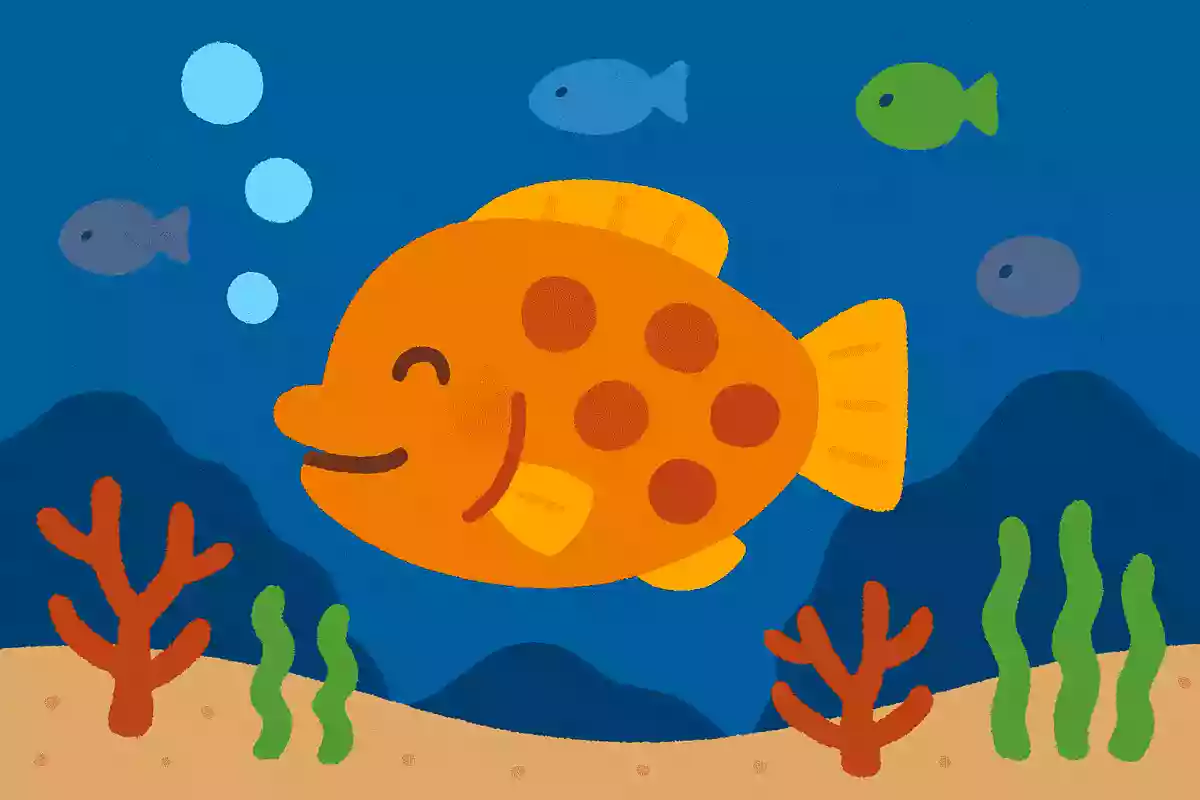
- red
- blue
- green
See the answer
red
When light enters the ocean, it gets progressively absorbed. Some colors are absorbed more easily than others, and red is the first to be absorbed to the point where it can no longer be perceived. Conversely, blue is less easily absorbed, so it remains recognizable even in the deep sea.

From which part do frogs absorb water?

- mouth
- nose
- skin
See the answer
skin
Frogs don’t drink by putting their mouths to puddles; instead, they absorb water through their skin. A frog’s skin is very thin, allowing it to take up moisture directly through the body surface. The belly area in particular is called the “drinking patch,” a structure specialized for water absorption. This skin-based water uptake is crucial for frogs to survive on land, and if conditions become too dry, replenishing water through the skin becomes difficult and can be dangerous.

How often do sloths go to the bathroom?

- Once a day
- Once a week
- Once a month
See the answer
Once a week
Sloths are very energy-efficient animals, and it’s said that not only their movements but also their bodily functions are slow. For that reason, going to the toilet about once a week is normal. This is thought to be an adaptation to conserve limited energy and to reduce the risks of coming down to the ground. Because descending to the ground to defecate is dangerous for sloths, they have a unique lifestyle of excreting infrequently and all at once.
Animal and Nature Fun Trivia Quiz (11–20)
How many months is an elephant’s gestation period?

- 10 months
- 22 months
- 24 months
See the answer
22 months
The human gestation period is about 10 months, but elephants have an exceptionally long gestation period of roughly 22 months. Among mammals, it is said to be the longest. In addition, there are surprisingly many creatures with long gestation periods: blue whales are about one year, giraffes about 15 months, and orcas about 17 to 18 months.
As a courtship behavior, what do male penguins give to females?

- fish
- pebble
- feather
See the answer
pebble
Among penguins, there are species in which males court favored females by presenting them with beautiful pebbles. Rockhopper penguins and Adélie penguins are particularly well known for this. Since pebbles are also used for nest building, they serve as important, attractive nesting materials. Isn’t this behavior a sign of the penguins’ ingenuity and close social bonds?
What exactly are the “shooting stars” streaking across the night sky?

- space debris
- artificial satellite
- cosmic dust
See the answer
cosmic dust
A shooting star is actually a phenomenon in which tiny specks of dust drifting through space plunge into Earth’s atmosphere, become extremely hot due to friction with the air, and burn up while emitting light. Even particles that are usually very small can flare brightly the moment they enter the atmosphere, and we see them as shooting stars. Many of these dust particles are shed into space by comets and asteroids, and Earth receives several tons of cosmic dust every day.
How far can an owl turn its head at most?
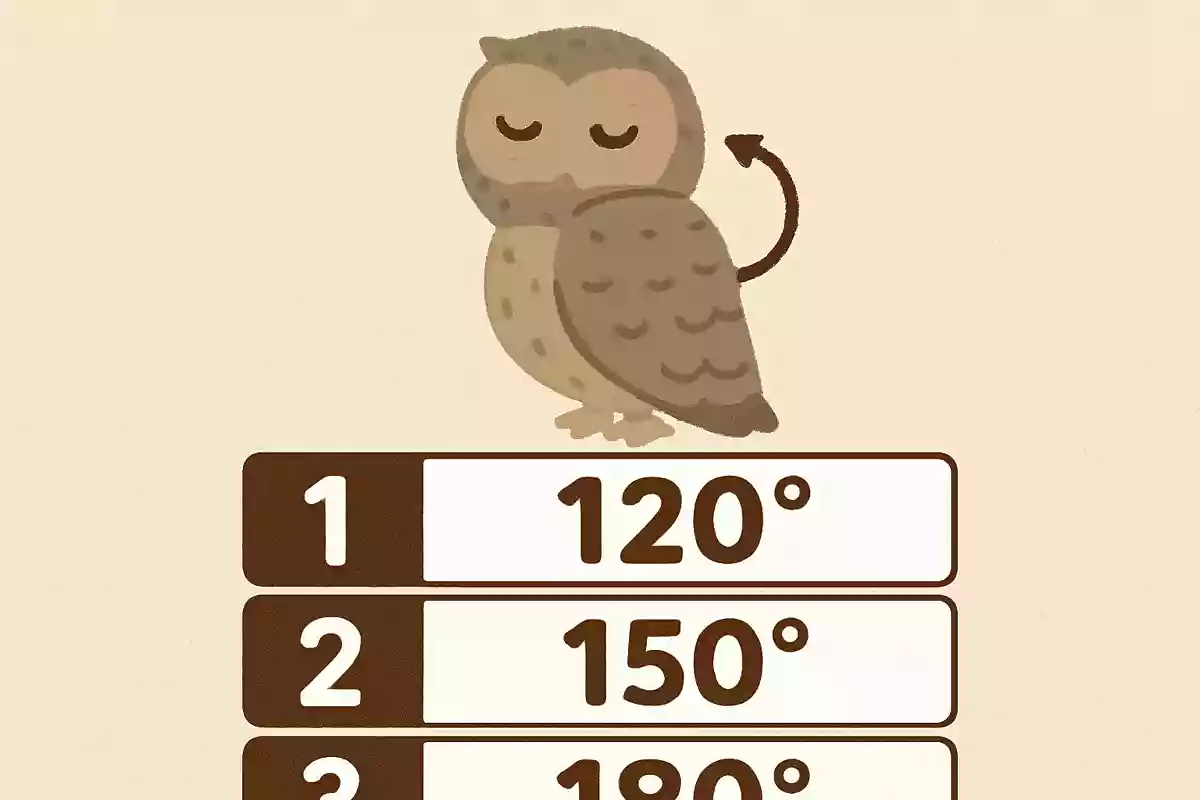
- about 90 degrees
- about 180 degrees
- about 270 degrees
See the answer
about 270 degrees
An owl’s neck can rotate up to about 270 degrees. Unlike humans and many other animals, owls have as many as 14 neck vertebrae and a specialized blood vessel structure. Thanks to this, they can survey a wide area without moving their bodies, which helps when targeting prey. Some people may have been startled to see an owl suddenly turn its head toward them while its body was facing the opposite direction.