

Surprisingly unknown? Trivia Quiz [Multiple Choice: 3 Options]


Fun facts make you want to share them with others, don’t they? In this article, we’ll introduce little-known facts about health and daily life in a quiz format—things that many people surprisingly don’t know.
You’ll find plenty of everyday topics with reasons that will make you say, “Oh, so that’s why!” Learn while having fun with the quiz, and the knowledge you gain might come in handy in different situations later on! It’s a multiple-choice quiz with three options, so kids can enjoy it too.
How many of these unusual and little-known fun facts do you already know?
- [Killing Time] A Collection of Fun Trivia Quizzes You'll Want to Share with Someone
- How many can you get right? A tricky 3-choice trivia quiz you'll want to tell someone about
- Aim for a perfect score! A three-choice common knowledge quiz that deepens your understanding
- Let's take on a four-choice quiz that everyone can enjoy together!
- Surprisingly unknown? A fun health trivia quiz that will make you want to try it
- Stimulate your intellectual curiosity! Fascinating trivia quizzes that you’ll want to share with others
- Trivia quiz with useful tips to know: fun facts that come in handy at school or at home [for kids]
- Didn't want to know?! Fascinating and scary trivia & fun facts
- Trivia quiz about dogs: three-choice questions to learn fun facts
- Become a trivia master with a multiple-choice quiz for elementary schoolers! A fun problem collection that captivates both kids and adults
- [For Seniors] Liven Things Up! 3-Choice Ranking Quiz
- [Challenge] Stimulate your intellectual curiosity with a general knowledge quiz you might not know!
- Trivia you think you know but surprisingly don’t? August trivia and fun facts quiz!
Fun Trivia Quiz on Animals and Nature (21–30)
Animal Quiz Showdown

Introducing an idea for “Animal Quiz Showdown,” a multiple-choice quiz (three options) that everyone can enjoy and that delves into animals’ secrets.
With themes like mysteries of animals we don’t usually hear about—such as “What is the role of a lion’s mane?” and “Why can polar bears withstand the cold?”—you can tackle questions ranging from easy to difficult.
It’s perfect for getting friends and family excited together.
Not only will you gain knowledge through the quiz, but it also sparks lively communication for a fun time.
Get every question right and aim to become an animal expert!

Japanese Culture and History Trivia Quiz (1–10)
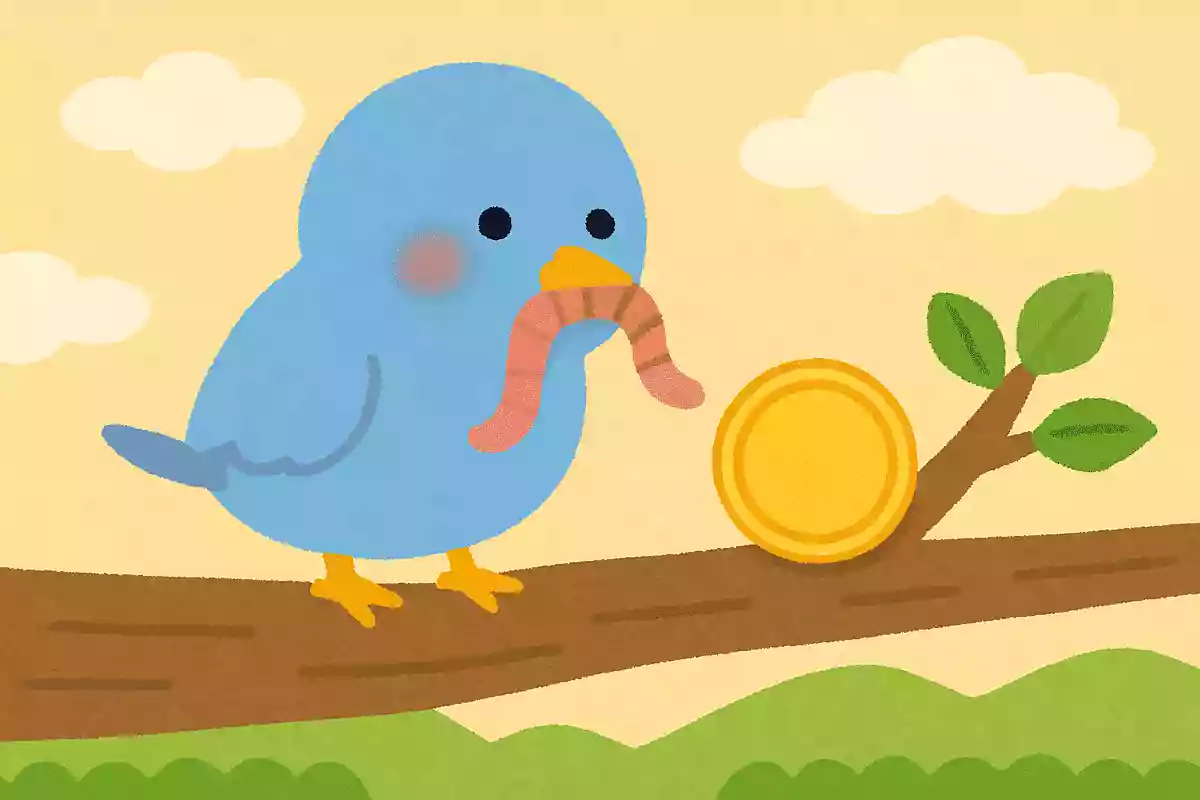
The early bird gets the worm—how many yen is three mon (sanmon)?
- 90 yen
- 300 yen
- 500 yen
See the answer
answer
90 yen
It’s used to mean that getting up early is very advantageous, but in reality, at today’s value it would be about 90 yen. Just as in phrases like “a three-mon actor” or “a three-mon novel,” the term sanmon isn’t used to indicate much value, so there’s also a theory that the original meaning was “even if you get up early, it’s not all that beneficial.”
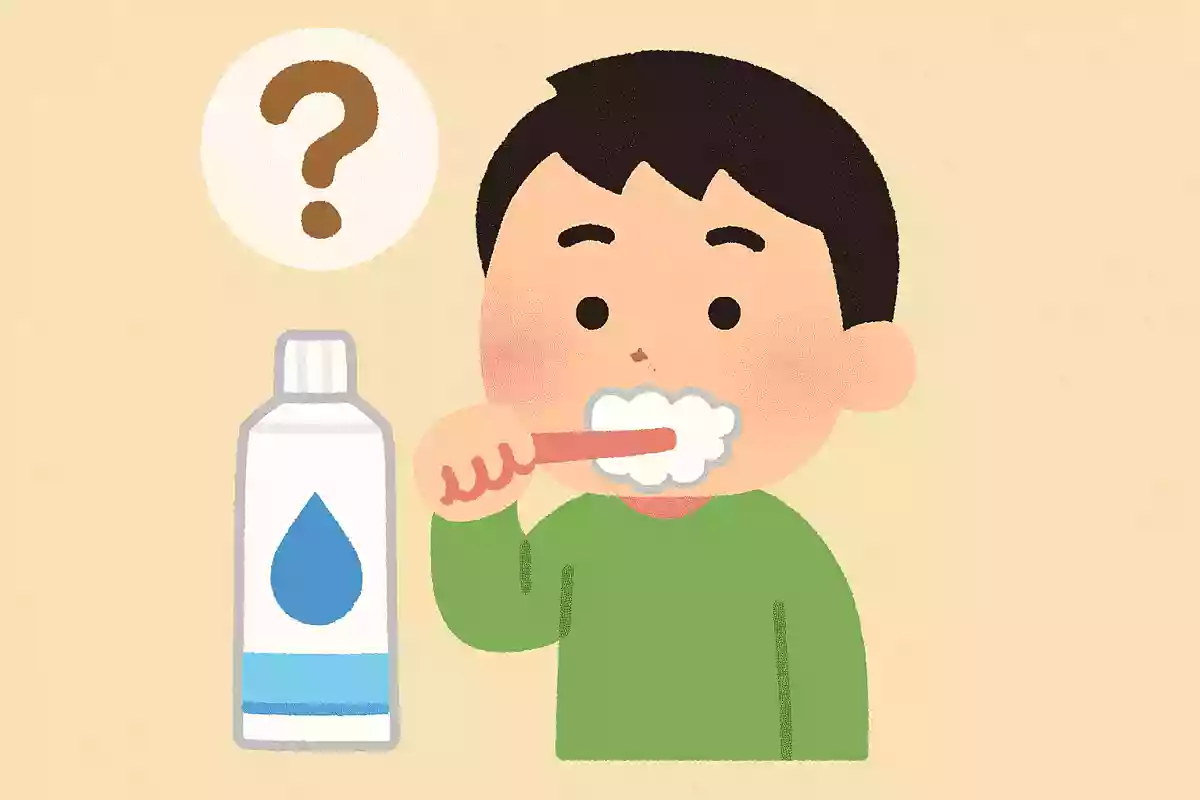
Since when has toothpaste been used in Japan?
- Heian period
- Edo period
- Meiji era
See the answer
answer
Edo period
It is said that toothpaste was first sold in Japan during the Edo period, when a merchant named Chojiya Kizaemon began selling it in 1625. Before toothpaste became available, people are said to have brushed their teeth with roasted salt or rice bran.
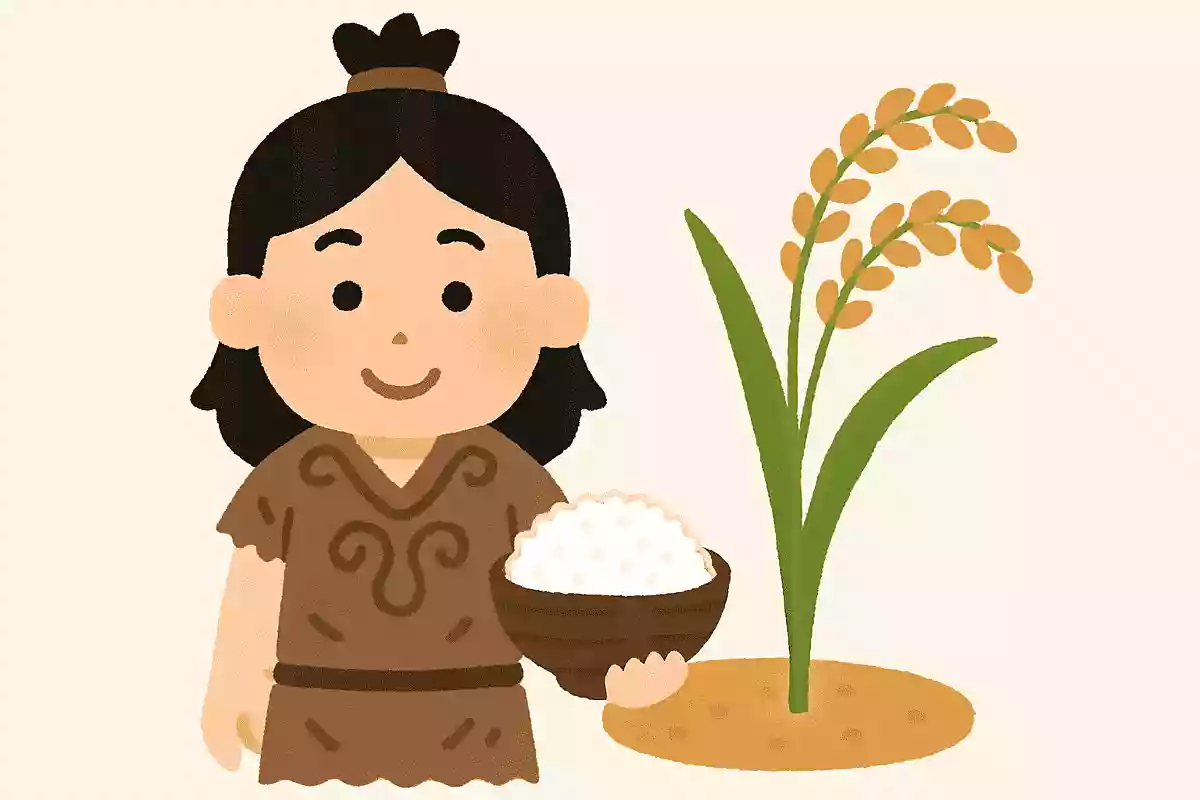
What was the color of the rice that was first introduced in the Jomon period?
- red
- black
- yellow
See the answer
answer
red
Rice was first brought to Japan during the Jomon period, and the rice at that time was red glutinous rice. Rice was very precious back then and was reportedly eaten only on special occasions, which is said to be the origin of today’s celebratory sekihan (red rice).
How many yen does it cost to make a 1-yen coin?

- 1 yen
- 2 yen
- 3 yen
See the answer
3 yen
It costs about 3 yen to produce a 1-yen coin. This is mainly due to the cost of materials and the manufacturing process. As a result, 1-yen coins are effectively produced at a loss.

What is one of the reasons why NHK does not use the term “Golden Week”?

- Because it often takes more than a week
- Because it is trademarked.
- Because it’s Japlish
See the answer
Because it often takes more than a week
One reason given is that despite being called a “week,” it often becomes a break of more than a week when the weekend is included, so the term isn’t used. Other reasons cited include consideration for those who continue working without taking time off, and efforts to avoid using loanwords as much as possible. Incidentally, instead of “Golden Week,” the term “large consecutive holidays” is often used.
From what era have words like “maji” and “yabai” been used?
- Edo period
- Meiji era
- Showa era
See the answer
Edo period
Words like “maji” and “yabai” are strongly associated with young people today, but in fact they’ve been in use since the Edo period. Their meanings are basically not very different from how they’re used now. Incidentally, the word “yaba,” which is the origin of “yabai,” was used as slang to refer to dangerous things or places.
