

Folk Songs of the World | Hometown Songs Passed Down Abroad

Here are some famous songs selected from folk music that has been passed down and sung in various countries and regions around the world.
Even if you don’t know the titles, you may have heard them somewhere or hummed them as a child—foreign folk songs are actually quite familiar in our daily lives.
In some cases, the version widely known in Japan is the adaptation, and you might discover, “So this was the original song!”
Learning which country a song comes from leads to learning about that country’s culture and history, and it will broaden your horizons.
Please take a listen to these time-honored folk songs that are cherished in each country!
- [Surprising!] A children’s song that originated overseas. That familiar nursery rhyme is actually…
- [Elementary School Music] List of Popular and Nostalgic Songs That Have Appeared in Textbooks
- Children’s songs of the world: songs passed down and sung by children overseas
- From classic folk dance staples to hidden gems. Introducing recommended tracks!
- Lullabies of the World: Beloved and Popular International Songs That Soothe Children
- A masterpiece of the pastoral. A roundup of representative works that delve into the charm of the pastoral (pastorale).
- [Japanese Folk and Regional Songs] A Collection of Beloved Masterpieces from Across Japan, Brimming with Local Pride
- [Minna no Uta] Tear-jerking masterpiece. A moving song you want to hear again.
- A classic Japanese folk song passed down through generations of acoustic performances
- [Japanese Children's Songs] Carefully selected timeless masterpieces loved across generations!
- Folk songs you’ll want to sing at karaoke: classic and popular tunes everyone can enjoy
- Masterpieces that sing of the stars. Star songs that resonate in the heart, best heard beneath the night sky.
- Popular Festival Song Rankings [2026]
World Folk Songs | Hometown Songs Passed Down Overseas (1–10)
Light of FirefliesSukottorando min’yō / Robert Burns

Auld Lang Syne is a folk song with lyrics written by the Scottish poet Robert Burns, based on a traditional Scottish melody.
In English-speaking countries such as the United States, the United Kingdom, and Scotland, it is sung as a New Year’s song at the moment the new year begins during New Year’s Eve countdowns.
Under the big chestnut treeIgirisu min’yō

“Under the Spreading Chestnut Tree” is a song that became popular in the United States as a Boy Scouts song.
It is used when playing with gestures and moving the body.
In Japan, it was popularized by Masanori Tomotake, known from NHK’s “Uta no Ojisan.”
Old MacDonald Had a Farmamerika min’yō

A nursery rhyme originating in the United States, passed down by children in Japan—this work carries a curious charm.
Its lyrics depict cheerful everyday life on a farm, incorporating animal sounds and unfolding with a rhythmic flow.
The 4/4 time signature makes it easy for children to sing together.
Widely used in both education and entertainment, it also plays an important role as a teaching tool for learning animal names and their sounds.
Influenced by Stephen Foster, born in 1826, and other American folk song composers, this piece’s simple, memorable melody and repetitive structure may be why it remains beloved across generations.
World Folk Songs | Hometown Songs Passed Down Overseas (11–20)
Rain on the pondDoitsu min’yō / August Heinrich Hoffmann

Familiar from the Yamaha Music School commercials, this melody comes from a German children’s song that depicts a small figure quietly standing in the forest.
There’s a playful twist: the little person in a red cloak and black hat is actually a mushroom, sparking children’s imaginations.
Since its release in March 2019, the simple, easy-to-remember tune has continued to be used in educational settings.
Teaching the importance of harmony with nature and patience, it’s a heartwarming song that you’ll find yourself humming into adulthood, along with memories of early childhood.
It’s a piece that lets you fully savor the charm of German folk songs.
I accidentally broke the clarinet.furansu min’yō

“I Broke My Clarinet (My Clarinet Got Broken)” is a French children’s song.
It features a clarinet that gradually loses the ability to produce notes one by one.
Looking at the lyrics of the original French version, it seems that the damage wasn’t solely the instrument’s fault.
Amazing GraceSukottorando min’yō / John Newton
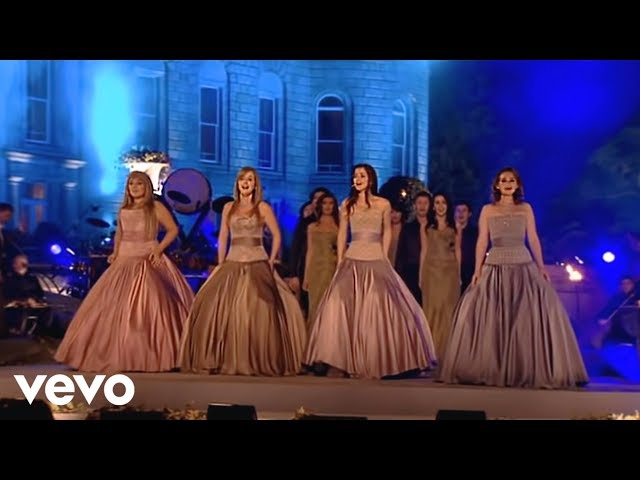
Known as a hymn praising God’s grace, this piece features lyrics that deeply moved many, reflecting the dramatic life of its lyricist, John Newton, though the composer remains unknown.
The joy and gratitude of being saved from a sinful past are expressed through a simple and beautiful melody.
Since the lyrics were written in 1772, it has been loved across generations and, especially in the United States, became an iconic song of the abolitionist and civil rights movements.
In October 2005, it was released in a classical arrangement, drawing renewed attention.
With a universal message that comforts those seeking solace, this work is one to listen to when you want to quietly reflect on yourself.
Twinkle, Twinkle, Little StarFuransu min’yō / Jean-Philippe Rameau

Born in 18th-century France, this song is known worldwide as a beloved nursery rhyme.
It originally had lyrics themed around “the woes of love,” but later changed to celebrate the sparkle of the stars.
Characterized by a simple melody and gentle tempo, it is cherished by people of all ages, from children to adults.
Mozart’s “Twinkle, Twinkle, Little Star” variations, which use this melody, are also famous.
It was introduced to Japan in the Meiji era and is now used not only for singing in music classes but also as teaching material for various instruments.
It’s a perfect piece for relaxing before bedtime or for singing together with children.