

Pick up Beethoven’s famous and representative works!

Ludwig van Beethoven created innovative music that served as a bridge from the Classical to the Romantic era, leaving a profound influence on later generations.
His music is passionate yet rich in beautiful melodies, and it conveys a sense of essential depth, as if pursuing things to their very core.
There are many masterpieces that everyone has heard at least once, such as “Fate” (Symphony No.
5) and “Für Elise.”
In this article, we’ve picked out some of Beethoven’s famous and representative works.
Why not immerse yourself in the music of Beethoven, one of the great composers?
- Mozart: An Introduction to His Signature and Popular Works
- Classical music by Japanese composers. Recommended classical music.
- Timelessly beautiful classical masterpieces. Recommended classical music.
- Cool classical masterpieces. Recommended classical music.
- [For Piano Recitals] Simple yet Cool Classical Pieces
- [Masterpiece Classics] A special showcase of gem-like masterpieces so beautiful they’ll move you to tears
- Beethoven: A selection of gem-like masterpieces that are easy to play on the piano
- [Orchestra] Introducing famous and popular pieces
- [Violin] A curated selection of beloved classic masterpieces and popular pieces that continue to be cherished across eras
- Debussy’s masterpiece. Popular classical music.
- Masterpieces by Franz Schubert: Sparkling classical works left by the King of Song. Recommended classical music.
- J.S. Bach | Introducing Famous and Representative Works
- [Tchaikovsky] Pick up famous and representative pieces!
[Beethoven] A Selection of Famous and Representative Works (11–20)
Piano Sonata “Moonlight,” No. 14 in C-sharp minor, Op. 27 No. 2Ludwig van Beethoven

A piano sonata completed by Beethoven in 1801.
Its first movement’s mysterious atmosphere evokes the image of a moonlit lake, which is why it is affectionately known as the “Moonlight” Sonata.
Comprising three movements, the first is characterized by delicate arpeggios; the second serves as a bright, intermezzo-like contrast; and the third shifts into a virtuosic and tempestuous character.
Beethoven wrote it as he was beginning to lose his hearing, and there is an anecdote that he dedicated it to a 16-year-old aristocratic girl who was his pupil.
Lauded as a forerunner of Romantic music for its innovative structure, it’s a recommended piece not only for classical music lovers but also for anyone who wishes to contemplate life and emotion through music.
Piano Sonata No. 8 in C minor, Op. 13 ‘Pathétique’Ludwig van Beethoven

The title “Pathétique” was given by Beethoven himself.
As the title suggests, the piece has a solemn, tragic tone.
It is one of Beethoven’s three great piano sonatas, and the second movement—renowned for its particularly beautiful melody—is used in many contexts and is very famous.
Violin Concerto in D major, Op. 61Ludwig van Beethoven

It is a concerto for violin and orchestra, acclaimed alongside Mendelssohn’s Op.
64 and Brahms’s Op.
77 as one of the “three great violin concertos.” Its expansive, beautiful melodies are striking, and it is a work brimming with elegance.
Symphony No. 3 in E-flat major, Op. 55 “Eroica”Ludwig van Beethoven

It is a symphony also known as the “Eroica.” It was being written to be dedicated to Napoleon, but when Beethoven learned that Napoleon had crowned himself emperor, he flew into a rage, saying, “So he too is just an ordinary man,” tore up the title page bearing the dedication, and slammed the score to the floor—so one account goes.
Comprising four movements and conveying an overall monumental scale, it is a groundbreaking work among Beethoven’s symphonies.
Piano Sonata No. 29 in B-flat major, Op. 106 “Hammerklavier”Ludwig van Beethoven

Beethoven’s late masterpiece, the Piano Sonata “Hammerklavier,” is a landmark work that dramatically expanded the possibilities of piano music.
Comprising four movements, it is renowned for its formidable technical demands and profound musical depth.
The third movement in particular paints a meditative world that reflects Beethoven’s inner turmoil and sense of isolation.
Completed in 1818, the sonata pursues distinct timbres and expressions in each movement, reflecting the piano’s evolution at the time.
It’s a piece I highly recommend to anyone who wants to savor piano music on a deeper level.
Piano Sonata “Tempest” No. 17 in D minor, Op. 31 No. 2Ludwig van Beethoven
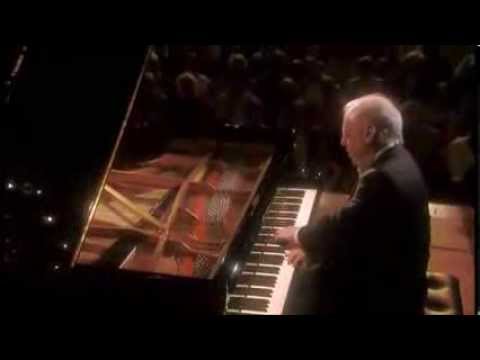
Composed in 1802, this piano sonata became an innovative work that signaled a new direction in his creative output.
Consisting of three movements, it moves from a quiet introduction to an eruption of intense emotion in the first movement, expresses deep sorrow and introspection in the second, and brims with vitality in the third, powerfully stirring the listener’s heart.
The piece seems to reflect Beethoven’s deteriorating hearing and his conflicts with those around him.
It is a work that captures the forces of nature and the depths of human emotion—truly deserving to be called one of his masterpieces.
[Beethoven] Picking Up Masterpieces and Signature Works! (21–30)
Piano Sonata No. 31 in A-flat major, Op. 110Ludwig van Beethoven

A masterpiece woven by Beethoven in his later years.
Among his late piano sonatas, it is particularly lyrical and distinguished by its profound emotional expression.
It consists of three movements: the first has a calm, graceful atmosphere; the second is rhythmical in a scherzo-like manner; and the third unfolds as a three-voice fugue following an introduction titled “Song of Lament.” Composed between 1821 and 1822, the work reflects Beethoven’s inner emotions and view of life with striking clarity.
It is said to depict a spiritual journey from deep sorrow to purification, making it a piece that resonates powerfully with listeners.