

Recommended for rock fans too! — A classic album of modern blues

The birth of the blues, often called the root of rock ’n’ roll and jazz, dates back to the late 19th century.
Its forms are diverse and can’t be summed up in a single phrase: from Delta blues and country blues—often referred to as prewar blues—to Chicago blues and modern blues, which developed after the war in Chicago and incorporated electric instruments.
In this article, we introduce classic blues albums whose style and spirit continue to be carried on by many musicians even in the 2020s.
The lineup focuses mainly on modern blues that’s easy for beginners to enjoy, so even those who usually listen to rock will find it accessible.
- [2026] Masterpieces of Blues Rock: Recommended Albums You Should Listen to at Least Once
- [Western Music] Classic Blues Rock Songs: A Summary of Recommended Popular Tracks
- A roundup of classic Western jazz-funk albums—from staples to the latest releases
- Roundup of Famous Overseas Blues Guitarists
- [For Beginners] A Collection of Famous and Popular Delta Blues Songs
- A roundup of popular Western blues bands—also recommended for rock fans!
- Ranking of popular blues songs
- [Foreign Music] A Guide to Post-Rock: Essential Classics and a Recommended Pick
- The Appeal of Japanese Blues Rock: A Collection of Classic Japanese Blues Rock Albums
- The 1970s were the golden age of Western rock! Recommended classics and hit songs
- A classic of Japanese blues. Japanese blues that lets you get drunk on the sound and vocals.
- [A Must-See for Rock Beginners] KiYoshiro Imawano's Easy-to-Sing Songs
- The depth of guitar sound. A collection of songs with cool guitar.
Recommended for rock fans, too! Classic Albums of Modern Blues (1–10)
Chicago BoundJimmy Rogers
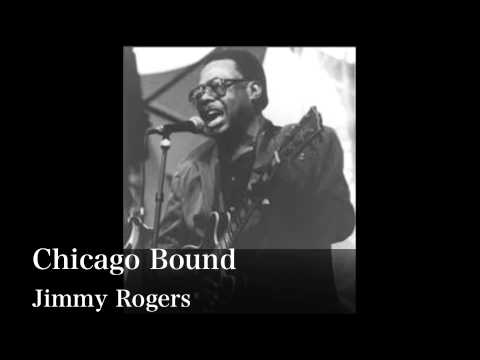
Jimmy Rogers, who was a right-hand man to Muddy Waters—often called the Father of Chicago Blues—and played a crucial role in the formative years of the Chicago blues, is the blues guitarist in focus here.
The compilation ‘Chicago Bound’ collects recordings Rogers made for the prestigious Chess Records in the 1950s; the original release came out in 1970.
Featuring an all-star lineup of bluesmen like Muddy Waters and Little Walter, the album has a wonderfully loose, tipsy, jam-session vibe among kindred spirits.
Even when the songs are quintessential blues, Rogers’s fresh, clear singing—quite different from the gravelly voices many people associate with the genre—makes this a welcoming entry point for beginners.
In addition to the title track, it includes classic standards such as ‘That’s Alright’ and ‘Walking By Myself’!

Stormy Monday BluesT-Bone Walker

Born in Texas in 1910, T-Bone Walker is a great artist said to be the first musician to bring the electric guitar into the blues, and he is indispensable when discussing modern blues.
Known for his showmanship—like spreading his legs wide and playing the guitar behind his head—Walker used the electric guitar in blues in the 1940s and influenced great musicians such as B.B.
King, one of the three great blues guitarists, and Chuck Berry, a legendary figure from the dawn of rock ’n’ roll.
Walker, a key figure in the histories of both blues and rock, is also synonymous with the standard “Stormy Monday Blues,” which has been covered by many bands and artists.
Originally recorded in 1947, a self-titled album featuring a version that uses the chord sequence later known as the “Stormy Monday changes” was released in 1967.
Start by listening to the song on its own, and then be sure to seek out and listen to the original album!
First Time I Met the BluesBuddy Guy
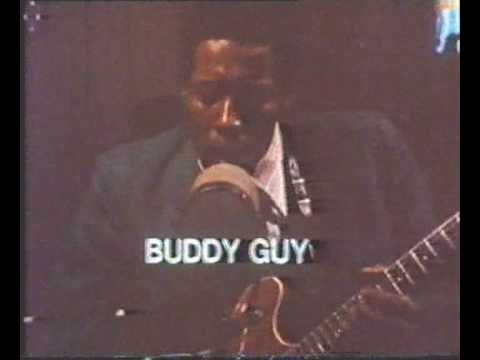
Buddy Guy, a venerable veteran who began his career in the 1950s, is still fresh in our memories for releasing an entirely new studio album in 2018, The Blues Is Alive and Well.
A quintessential Chicago blues guitarist and singer, he has achieved major commercial success and boasts a stellar record of seven Grammy Awards.
When it comes to his classic albums, many would likely name 1991’s Damn Right, I’ve Got The Blues.
This time, I’d like to introduce the compilation I Was Walking Through The Woods, which collects recordings from 1960–64 and showcases the razor-sharp playing of a young Guy.
During his tenure at the legendary blues label Chess Records, Guy—then in his twenties—delivered thrilling guitar work and fiery emotion that formed the blueprint of Chicago blues and had a tremendous impact not only on blues but on the rock scene as well.
It’s no exaggeration to call this an essential work for understanding the history of modern blues.
Recommended for rock fans too! — Classic Albums of Modern Blues (11–20)
Mojo HandLightnin’ Hopkins

Nicknamed “Lightning,” with his trademark black sunglasses and cigar, Lightnin’ Hopkins exuded the ultimate cool of a Southern-born rogue—an iconic figure in Texas blues.
A remarkably prolific musician, he is said to have left behind over a hundred records in his lifetime.
Living and dying as a working bluesman, his lyrics, voice, and guitar—steeped in a worldview forged by tasting both the bitter and the sweet—embody the very essence of the blues.
The album in focus here, Mojo Hand, released in 1962, is widely hailed as one of the greatest masterpieces in blues history, offering everything from solo country-blues performances to full-band arrangements.
Even the famous fist on the album cover seems to exert a powerful gravitational pull.
Compared to the more modern blues styles like Chicago blues or soul/R&B-leaning sounds, those unfamiliar with blues might find this a bit less accessible.
But the moment the music’s heady masculine allure and life-worn sorrow resonate in your heart, you’ll surely find yourself captivated by the spell of this blues.
JukeLittle Walter
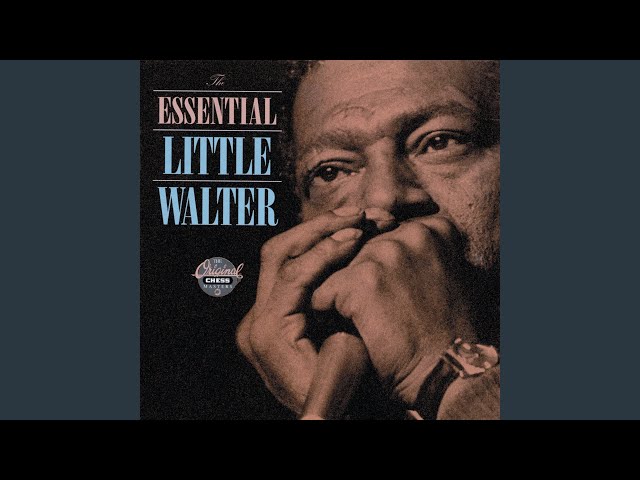
Within the genre of blues music, the harmonica is an indispensable instrument.
Unlike a standard harmonica, the ten-hole “blues harp” produces a tone that directly reflects the player’s character, and at times it commands such presence that it even takes center stage over the guitar or vocals.
Credited with creating the fundamental techniques of blues harp and exerting a huge influence on British rock bands like the Rolling Stones is none other than Little Walter.
Born in Louisiana in 1930, Walter moved to Chicago in 1946 and made his recording debut the following year.
He joined the band of Muddy Waters, known as the father of Chicago blues, and enjoyed a steady career that included scoring a hit with his classic instrumental “Juke” under his own name.
Sadly, he passed away in 1968 at the young age of 37.
A bluesman who truly upheld the dawn of Chicago blues and a legendary blues harp player, Little Walter is brilliantly showcased on the 1997 compilation His Best—a definitive best-of album that comprehensively gathers his signature Chess Records-era tracks.
If you want to appreciate the depth of the blues harp, this is the essential first album to start with.
Bad News Is ComingLuther Allison
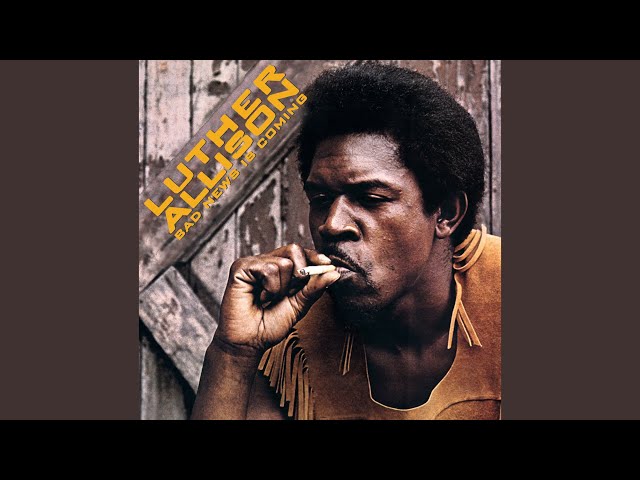
Luther Allison is a guitarist known as a master of Chicago blues.
Born in 1939, Allison frequently performed with blues greats such as Freddie King and Howlin’ Wolf from a young age, experiences that deeply influenced his musical style.
Released in 1972 on Motown’s Gordy label, Bad News Is Coming is an ambitious work that fuses Chicago blues with modern electric blues, featuring powerful vocals and guitar playing.
Highly regarded as one of Allison’s signature albums, it gained popularity among blues enthusiasts.
It’s also a recommended pick for rock fans.
Long Distance CallsMuddy Waters

Muddy Waters, known as the “Father of Chicago Blues,” can be called the greatest contributor to bringing the electric guitar into Delta blues—a style centered on acoustic guitar and vocals—and to the creation of what came to be known as Chicago blues.
Born in Mississippi in 1913, Muddy developed a distinctive electric blues rooted in Southern blues after relocating to Chicago, releasing many classic tracks recorded in a band format on the prestigious Chess Records label.
His influence later spread to the UK, where blues rock became a craze, inspiring countless rock musicians.
The sheer magnitude of his impact is clear when you consider that the Rolling Stones—giants of rock—took their band name from one of Muddy’s hit songs.
The album introduced here is Folk Singer, released in 1963, a time when the folk boom was in full swing.
It brings together the spirit of Muddy’s Delta blues roots and Chicago blues, letting you fully savor his resonant vocals and weeping slide guitar.
With many highlights—including superb performances from the participating musicians, such as Buddy Guy’s guitar—this is an album that anyone exploring the blues should drop the needle on at least once.