

Recommended for rock fans too! — A classic album of modern blues

The birth of the blues, often called the root of rock ’n’ roll and jazz, dates back to the late 19th century.
Its forms are diverse and can’t be summed up in a single phrase: from Delta blues and country blues—often referred to as prewar blues—to Chicago blues and modern blues, which developed after the war in Chicago and incorporated electric instruments.
In this article, we introduce classic blues albums whose style and spirit continue to be carried on by many musicians even in the 2020s.
The lineup focuses mainly on modern blues that’s easy for beginners to enjoy, so even those who usually listen to rock will find it accessible.
- [2026] Masterpieces of Blues Rock: Recommended Albums You Should Listen to at Least Once
- [Western Music] Classic Blues Rock Songs: A Summary of Recommended Popular Tracks
- A roundup of classic Western jazz-funk albums—from staples to the latest releases
- Roundup of Famous Overseas Blues Guitarists
- [For Beginners] A Collection of Famous and Popular Delta Blues Songs
- A roundup of popular Western blues bands—also recommended for rock fans!
- Ranking of popular blues songs
- [Foreign Music] A Guide to Post-Rock: Essential Classics and a Recommended Pick
- The Appeal of Japanese Blues Rock: A Collection of Classic Japanese Blues Rock Albums
- The 1970s were the golden age of Western rock! Recommended classics and hit songs
- A classic of Japanese blues. Japanese blues that lets you get drunk on the sound and vocals.
- [A Must-See for Rock Beginners] KiYoshiro Imawano's Easy-to-Sing Songs
- The depth of guitar sound. A collection of songs with cool guitar.
Recommended for rock fans too! — Classic Albums of Modern Blues (11–20)
I Wonder WhyOtis Rush

Just hearing the groovy guitar, sprightly piano, perfectly judged organ tone, and husky vocals on the album’s opening number, “Tore Up,” is enough to make your heart leap! Let me introduce Otis Rush’s masterpiece Right Place, Wrong Time—completed in 1971 by the blues guitarist and singer who had a long career stretching back to the 1950s, but shelved for five years and finally released in 1976.
Rush’s guitar style—marked by distinctive string-bending and vibrato—not only propelled Chicago blues to a new stage, it also earned deep respect from rock guitarists like Eric Clapton, making his achievements far too significant to be confined within the boundaries of blues alone.
Hailed as one of Rush’s signature works, Right Place, Wrong Time is packed with tracks that rock listeners in particular should hear.
Whether on up-tempo numbers or mellow ballads, the guitar playing throughout brims with the soul of the blues, while remaining catchy enough to be easily approachable for blues beginners.
His dapper, seasoned vocals add even more flavor, making this a superb, highly listenable album you can enjoy straight through to the end.

Sweet Little AngelB.B. King
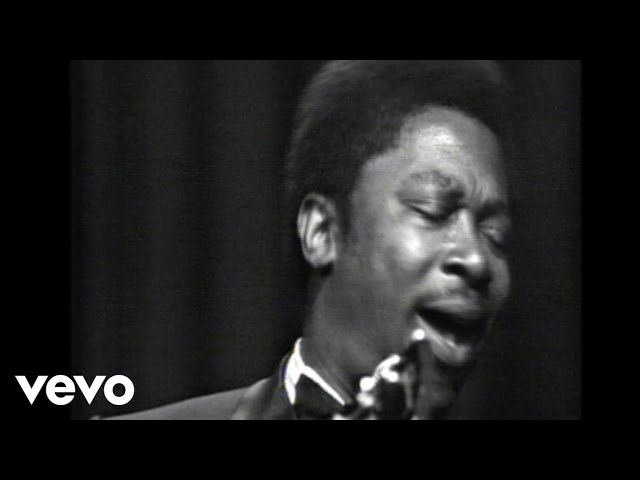
Many of the albums regarded as blues masterpieces are live recordings, and listening to this acclaimed work makes it clear why.
This isn’t unique to the blues, of course, but it seems almost inevitable that a musician’s true essence comes out on stage—and all the more so with music like the blues.
Born in 1925 in Mississippi and active across the music scene from the 1950s onward, B.B.
King stands as a quintessential blues guitarist and a giant of music.
Among his many recordings, Live at the Regal, released in 1965, is especially celebrated.
Captured at Chicago’s Regal Theater in 1964, the album documents a live performance where the electricity between performer and audience is vividly palpable—an important historical record in music history.
King’s masterful guitar work dazzles throughout, enchanting countless rock guitarists; greats like Eric Clapton and Jeff Beck have cited this album as a favorite.
Walkin’ the BoogieJohn Lee Hooker

Often hailed as the “King of Boogie,” John Lee Hooker was a blues singer and guitarist who blazed through a 50-year career with an unmistakably singular style.
Eager to collaborate with musicians across genres—including rock artists—Hooker was inducted into the Rock and Roll Hall of Fame in 1991.
That accolade, among others, helps explain why he remains revered as one of the most pivotal figures in blues history.
Released in 1959 on the prestigious Chess Records, his album House of the Blues radiates a curious allure that simply couldn’t exist without his unique musical approach.
Influenced by Delta blues and starting out as a solo singer-guitarist, Hooker delivers percussive acoustic and electric guitar work, foot-stomped rhythms, and double-tracked vocals—all constructed through his own overdubbing.
While there are tracks with a band sound, the essence is very much Hooker’s one-man show.
If you’re new to the blues, approaching this album with a clean slate might just reveal its overwhelming individuality and irresistible charm.
Rock Me BabyJohnny Winter
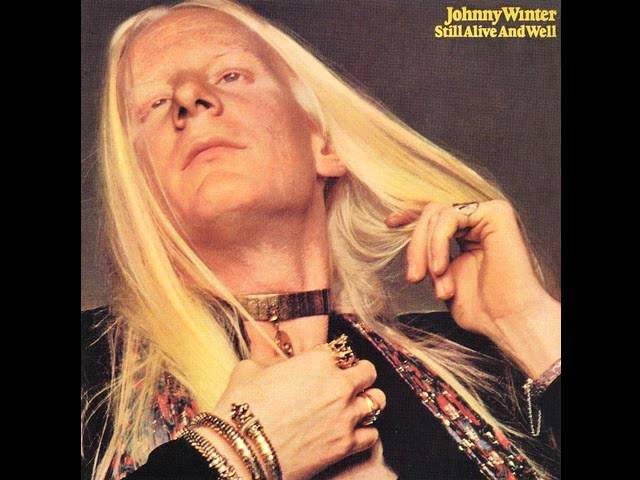
Johnny Winter, the guitar virtuoso from Texas.
He began playing at 11 and was influenced by legendary blues artists; his playing is defined by blisteringly fast fingerpicking and fiery slide-guitar technique.
Released by Columbia Records in 1973, Still Alive and Well is a landmark album that marked his return after overcoming drug addiction.
Fusing blues rock and hard rock, the record is highly regarded as a symbol of Winter’s comeback and musical maturity.
Packed with searing guitar work and energetic vocals, it’s a must-listen not only for blues lovers but also for rock fans.
Voodoo Child (Slight Return)Stevie Ray Vaughan & Double Trouble

Stevie Ray Vaughan, a master of blues-rock, released his second studio album, Couldn’t Stand the Weather, in 1984.
It’s a definitive blues-rock masterpiece where Vaughan’s sharp guitar solos blend perfectly with the powerful rhythms of Double Trouble.
The cover of Jimi Hendrix’s “Voodoo Chile (Slight Return)” is a must-hear track, showcasing Vaughan’s overwhelming musicianship to the fullest.
The album peaked at No.
31 on the Billboard 200 and earned double platinum certification.
Highly recommended for modern blues fans and rock lovers alike.
The Thrill Is GoneB.B. King

Leading a large band that included a brass section, B.B.
King became synonymous with the blues.
“The Thrill Is Gone” was one of his favorite numbers and was performed repeatedly in his live shows.
Recommended for rock fans too! — Modern Blues Masterpieces (21–30)
Hoodoo Man BluesJunior Wells’ Chicago Blues Band

Speaking of Junior Wells, he’s a legendary bluesman renowned as a master of the harmonica.
His 1965 release Hoodoo Man Blues is the masterpiece that defines his career.
It’s a record that lets you fully savor the essence of Chicago blues, with Wells’s vocals—raw yet full of feeling—and his superb harmonica playing shining throughout.
The exquisite interplay with Buddy Guy’s guitar is another real highlight.
It’s a classic I’d recommend not only to blues fans but also to rock lovers.
This is a gem that lets you experience the true thrill of the blues, so be sure to give it a listen.