

Recommended for rock fans too! — A classic album of modern blues

The birth of the blues, often called the root of rock ’n’ roll and jazz, dates back to the late 19th century.
Its forms are diverse and can’t be summed up in a single phrase: from Delta blues and country blues—often referred to as prewar blues—to Chicago blues and modern blues, which developed after the war in Chicago and incorporated electric instruments.
In this article, we introduce classic blues albums whose style and spirit continue to be carried on by many musicians even in the 2020s.
The lineup focuses mainly on modern blues that’s easy for beginners to enjoy, so even those who usually listen to rock will find it accessible.
- [2026] Masterpieces of Blues Rock: Recommended Albums You Should Listen to at Least Once
- [Western Music] Classic Blues Rock Songs: A Summary of Recommended Popular Tracks
- A roundup of classic Western jazz-funk albums—from staples to the latest releases
- Roundup of Famous Overseas Blues Guitarists
- [For Beginners] A Collection of Famous and Popular Delta Blues Songs
- A roundup of popular Western blues bands—also recommended for rock fans!
- Ranking of popular blues songs
- [Foreign Music] A Guide to Post-Rock: Essential Classics and a Recommended Pick
- The Appeal of Japanese Blues Rock: A Collection of Classic Japanese Blues Rock Albums
- The 1970s were the golden age of Western rock! Recommended classics and hit songs
- A classic of Japanese blues. Japanese blues that lets you get drunk on the sound and vocals.
- [A Must-See for Rock Beginners] KiYoshiro Imawano's Easy-to-Sing Songs
- The depth of guitar sound. A collection of songs with cool guitar.
Recommended for Rock Fans Too! — Masterpieces of Modern Blues (31–40)
Bad bad whiskeyBuddy Guy & Junior Wells

A version of the blues standard by Amos Milburn, covered by the legendary duo Buddy Guy & Junior Wells.
The moody saxophone and the irresistibly catchy, sing-along melody linger in your ears.
Boom BoomJohn Lee Hooker
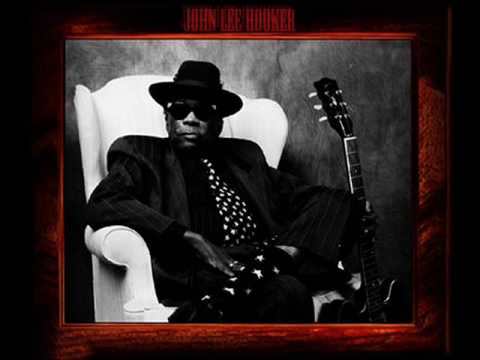
John Lee Hooker, known as the “King of Boogie,” built a distinctive boogie style with his unique sense of rhythm over a career spanning more than 50 years.
A giant of the blues, he had a profound influence on later rock and folk music.
This song, one of his most famous, is included on the album of the same title, Boom Boom.
T’aint nobodys businessOtis Spann
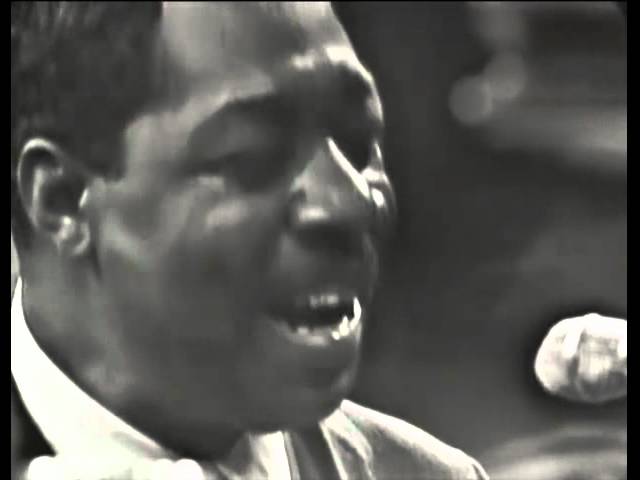
When it comes to blues piano, this is the person who comes to mind.
He’s famous for his work with Muddy Waters and for backing other bluesmen, but he’s also a master who delivers wonderful blues as a solo artist.
His slow blues, in particular, are exquisite, and his unadorned vocals have a special charm.
Stormy mundayAllman Brothers Band

The pinnacle of white American blues guitarists is Duane Allman.
He was especially a master of slide guitar, and there’s even an anecdote that he gave Eric Clapton some lessons.
Although he died young at 24 in a traffic accident, his divine playing remains legendary, and people still lament how incredible a guitarist he might have become had he lived.
Got My Mojo WorkingJames Cotton

James Cotton is also an outstanding harmonica player.
Although he later played music beyond the blues, such as soul, during his time with Muddy Waters’s band he delivered performances that could be considered among the greatest in blues harp history.
Recommended for Rock Fans Too! — Modern Blues Masterpieces (41–50)
Kind of blueMiles Davis
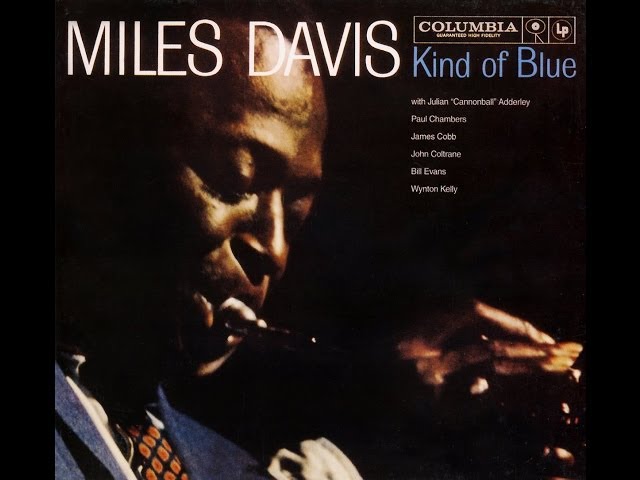
Miles Davis, who left the famous quote, “The blues isn’t something you’re taught to play.
You play it freely,” lets you savor his own take on the blues that goes beyond the realm of a jazz trumpeter.
From the 1959 album of the same title, Kind of Blue.
Hoochie Coochie ManMuddy Waters
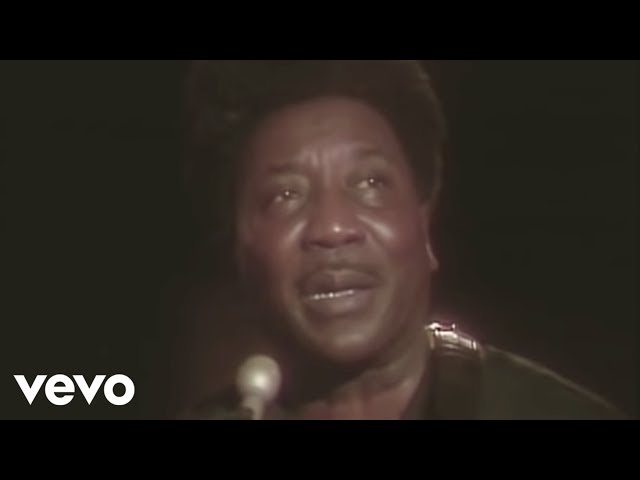
Born in the American South, including Mississippi, the blues spread to Chicago along with Black laborers moving north in search of work.
Muddy Waters was a musician who moved from Mississippi to Chicago and is also a representative figure of Chicago blues.