

[Recommended] Carefully selected masterpieces by Bruckner, the great master of symphonies and sacred music

Anton Bruckner, the Australian composer and organist renowned as a master of symphonies and sacred music.
In this article, we present some of his most widely celebrated works—pieces known for their weighty character and a pronounced religious tone that reflects his devout Catholic faith.
Please enjoy, along with videos and commentary, a selection of quintessentially Brucknerian works, rich in depth and evoking elegant, monumental vistas reminiscent of Austria’s abundant natural landscapes and the majestic Baroque churches.
- [Masterpiece Classics] A special showcase of gem-like masterpieces so beautiful they’ll move you to tears
- Masterpieces of the Romantic Era: A sweeping introduction to soul-stirring, celebrated gems!
- Mozart: An Introduction to His Signature and Popular Works
- Masterpieces for Harp: A curated selection of distinguished works featuring noble and delicate tones
- Masterpieces by Gustav Mahler. Popular classical music.
- Timelessly beautiful classical masterpieces. Recommended classical music.
- Mendelssohn’s Masterpieces | Popular Classical Music
- Brahms's masterpieces. Popular classical music.
- [Haydn] Pick up famous and representative pieces!
- Masterpieces by Franz Schubert: Sparkling classical works left by the King of Song. Recommended classical music.
- Pick up Beethoven’s famous and representative works!
- [Orchestra] Introducing famous and popular pieces
- Dvořák’s masterpiece. Popular classical music.
[Recommended] Carefully selected masterpieces by Bruckner, a master of symphonies and sacred music (51–60)
Ave Maria in F majorAnton Bruckner
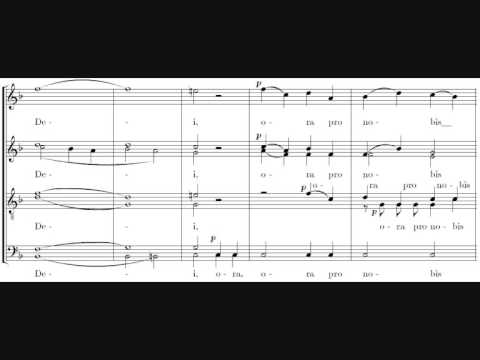
A sacred music piece composed in 1861.
Anton Bruckner left three settings of Ave Maria, but the second one is the best known.
Its seven mixed voices interweave beautifully, creating an exceptionally pure impression.
While the Ave Maria settings by Gounod and Schubert are famous, Bruckner’s work is also highly regarded and is frequently performed in churches both in Japan and abroad.
In conclusion
We introduced some famous works by the Austrian composer Anton Bruckner. In addition to his frequently performed symphonies and sacred music, Bruckner also left a few pieces for wind ensemble and piano. Why not take this opportunity to discover new facets of Bruckner’s appeal?