



For the physical and mental well-being of older adults, rehabilitation that involves moving the arms and legs is ideal.
However, simply following a set rehabilitation routine doesn’t always lead to motivation.
In this article, we introduce enjoyable recreational activities that contribute to arm and leg rehabilitation for older adults.
From group activities that everyone can get excited about to options you can focus on individually, you’ll surely find fun ways to work on functional improvement.
Choose according to each person’s physical and mental condition.
We hope you find this helpful.
- [For Seniors] Enjoy safely even during the COVID-19 pandemic: Seated activities
- [For Seniors] Refresh Your Mood! Lively, Get-Moving Games
- [For Seniors] Recreational activities and games that let you have fun while strengthening your legs
- [For Seniors] Simple Recreational Activities You Can Enjoy While Seated
- For Seniors: Fun and Lively Exercise Recreation
- [For Seniors] Guaranteed to Liven Things Up! A Collection of Brain Training Activities That Will Spark Laughter
- [For Seniors] Fun Recreational Activities Without Equipment
- [For Seniors] Core Training: Recommended Simple Rehabilitation
- [For Seniors] Easy and fun seated activities you can do in your room
- [For Seniors] Introducing Recreational Activities Anyone Can Enjoy at Geriatric Health Facilities!
- [For Seniors] Leg and lower-back training: Fall prevention
- For seniors: Leg-strengthening exercises you can do without overexertion.
- Recreation Activities Effective for Long-Term Care Prevention for Seniors
[For Seniors] Effective for Care Prevention! Fun Recreational Activities (1–10)
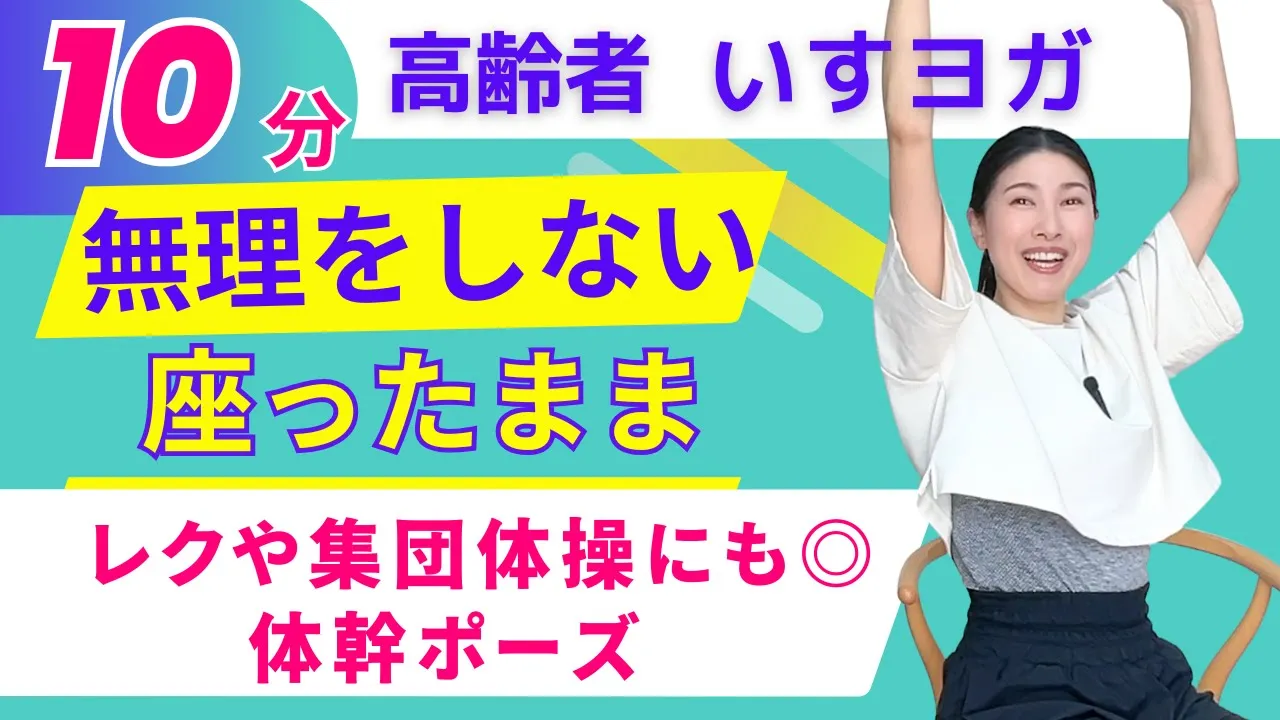
Chair Yoga: Core TrainingNEW!

It’s said that strengthening your core can help prevent falls and improve constipation.
You can train while seated in a chair, so give it a try! First, take deep breaths and move your neck forward, backward, and side to side.
Cross your hands in front of your chest, then lift them upward as they are.
Tilt your body to the left and right to stretch your sides, then extend your clasped hands forward, round your back, and stretch.
Next, with your hands together, sway your body left and right and do a pose that helps relieve constipation.
Finally, with both hands extended overhead, lean your upper body slightly forward.
Be sure to stay mindful of your breathing.
Move slowly and gently while maintaining steady breaths.

Slow Newspaper Stick ExercisesNEW!

The newspaper-stick exercises made by rolling up newspaper are thick, easy to grip, and can be done with items you have at home, making them perfect for older adults.
Hold the newspaper with both hands, raise it up and down, and take deep breaths.
While holding the newspaper, move side to side and lower the stick along your legs; if you have back pain, move only within a comfortable range.
Moving forward and backward while holding the newspaper and counting the numbers out loud helps maintain cognitive function and makes the exercise much more effective.
Using familiar newspaper lowers the barrier to exercising and may help you relax while doing it.

Exercises to keep you walking foreverNEW!

People say we’re living in the era of 100-year lifespans, and we all want to keep walking on our own feet for as long as possible.
Among those aged 85 and over, it’s said that walking becomes difficult for 44.2%, which is less than half.
Let’s strengthen our leg muscles and do exercises that help us keep walking.
We’ll lift one leg and raise our heels.
Don’t push yourself—it’s fine to do them seated in a chair or standing while holding onto a chair.
These movements also connect to walking, which helps prevent frailty, so try them at a comfortable pace suitable for older adults.

Rhythmic exercises you can do even while seatedNEW!

Let’s do exercises using songs that are familiar to older adults.
If it’s a song or tune they know, they’ll likely enjoy moving to the rhythm.
These exercises can be done while seated, making them accessible for those who find standing or walking difficult.
If it’s a well-known song, exercising while singing along can also serve as a mouth exercise.
Doing it in a large group can provide opportunities for social interaction, such as community circles or hobby activities.
Through rhythm exercises, you may even see more smiles from older adults.
Finger-focused trainingNEW!
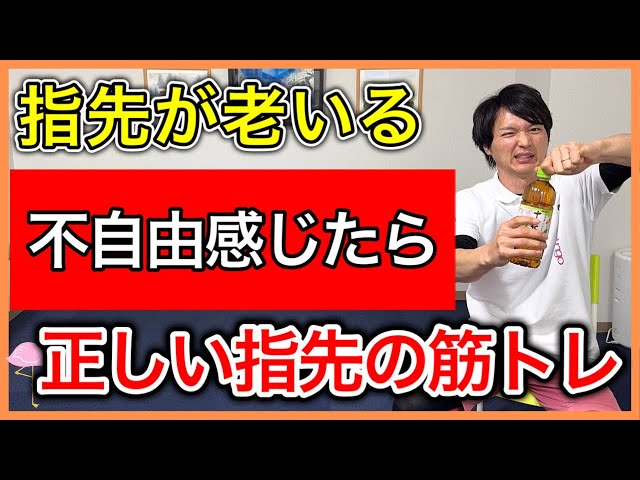
When your fingertip dexterity starts to decline, try training specifically for your fingertips.
Fine motor tasks—precise, detailed sequences of movements using the fingers and hands—tend to deteriorate with age as the delicate muscles in the fingertips weaken.
In fingertip-focused training, you make a fist with one hand while forming an open hand with the other, then switch; you also practice spreading and closing the fingers on both hands.
When people think of finger strength, some may focus on grip strength.
However, if you only train grip strength, you may lose the ability to perform fine finger movements, like fastening buttons.
With fingertip-focused training, you can train both grip strength and fine finger control, so give it a try.
Paper Balloon VolleyballNEW!

Paper Balloon Volleyball is a recommended recreational activity that makes the most of the lightweight, easy-to-handle nature of paper balloons, allowing even older adults to enjoy it safely.
Like volleyball, rallying increases movements such as raising the arms and stretching the body, which helps maintain shoulder and arm muscles and improve joint range of motion.
Tracking the falling paper balloon with the eyes enhances concentration and helps maintain reaction speed.
Because it is lightweight and highly safe, a major appeal is being able to move the body with minimal risk of injury.
By calling out to one another while playing, smiles and conversation increase, making it an activity that simultaneously promotes fitness and social interaction.

singing contestNEW!
@wakuwaku_idea Recreation for seniors: a simple, seated, laugh-filled singing contest that warms both heart and bodyElderlyRecreationTranslationInteresting
♪ Original song – Idea Wakuwaku Rehabilitation – Idea Wakuwaku Rehabilitation
This activity lets you sing while moving your body, and it also works as brain training.
First, sit facing a partner in pairs and hold a single stick together.
While pulling the stick back and forth as if rowing a boat, sing a song.
To start, everyone should sing the same song together while alternately pulling the stick.
Simple, easy-to-sing children’s songs with clear lyrics are recommended.
Once you get used to it, try pulling the stick while each of you sings a different song.
For example, one person can sing “Usagi to Kame” (The Hare and the Tortoise) while the other sings “Urashima Tarō.” Keep pulling on the stick, but be careful not to get pulled along by your partner’s song!