

Chinese tongue twisters: A collection of rao kou ling helpful for learning Chinese

Chinese sounds like tongue twisters, and my studies just don’t seem to progress…
Some of you learning Chinese might be struggling with that feeling, too.
However, to actually make progress in Chinese, tongue twisters—called 绕口令—are very effective.
By practicing tongue twisters, you’ll learn to clearly distinguish and pronounce similar sounds.
In this article, we’ll introduce a wide range of tongue twisters, from the classics to complex ones that are challenging even for native Chinese speakers.
Along with pinyin, you can also check pronunciation by following the included Google Translate URLs, so be sure to make use of this for your Chinese studies.
- [Recreation] Challenge! A roundup of tongue twisters recommended for elementary school students
- Challenging tongue twisters: Introducing high-difficulty phrases and sentences!
- [Diction Training] A Collection of Tongue Twisters to Improve Articulation
- “Chau chau, anta” — a Kansai-dialect tongue twister. A phrase only Kansai folks can say.
- Bursting into laughter! A roundup of Hakata dialect tongue twisters
- Nagoya dialect tongue twisters are exquisite! A fun collection where your tongue gets tied in knots with regional dialects
- The world’s toughest! A collection of insanely hard-to-read kanji
- [Interesting] Summary of Kanji Reading Quiz Questions
- Challenge together! A roundup of word games for adults
- A collection of long tongue twisters. Also recommended for practicing announcements and narration.
- Tongue twisters that will make you laugh out loud! Super funny
- [Lyrics Prank] Confused by LINE that's not the usual!? A roundup of recommended songs
- For exam-takers! A collection of quotes that become profound and interesting once you understand their meaning
Chinese tongue twisters: A collection of useful rao-kou-ling for learning Chinese (11–20)
Mr. Ishii eats persimmons. He eats four persimmons a day. In ten days, he eats forty persimmons.
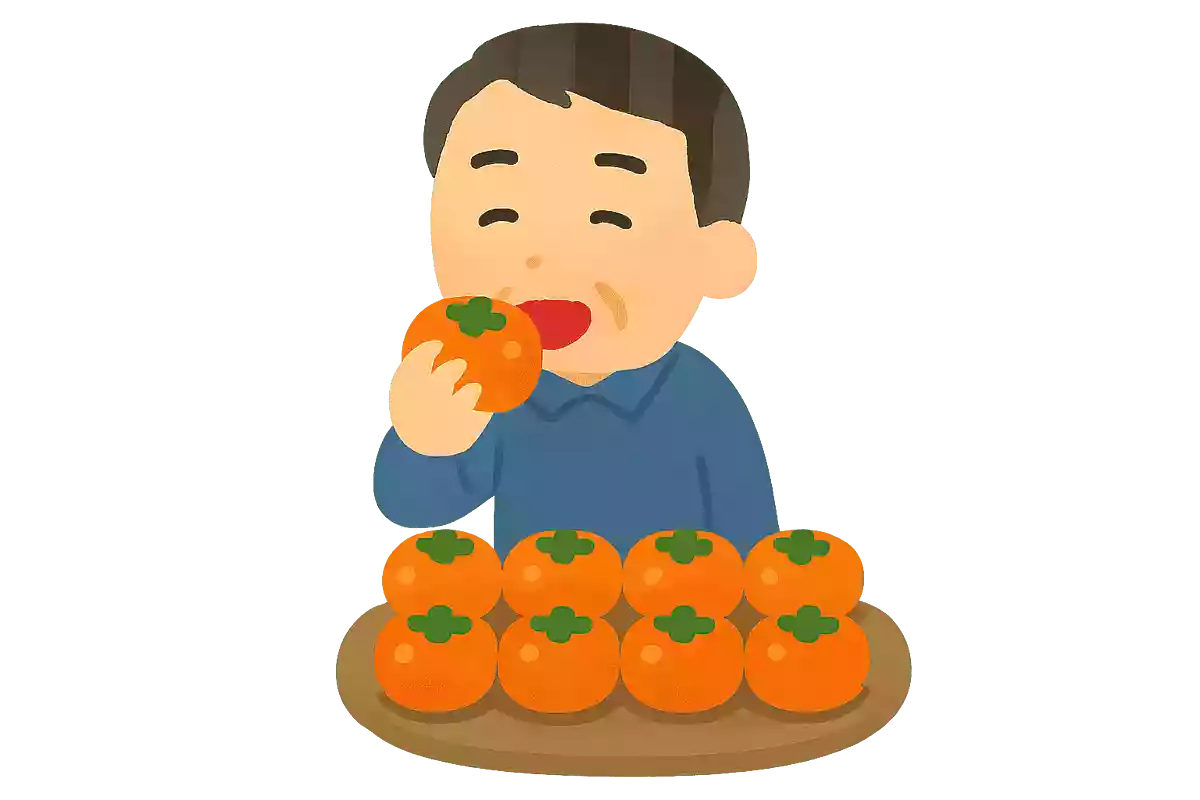
This is a passage depicting a teacher eating persimmons and is a tongue twister characterized by differences in breath use and tones caused by consonant contrasts.
The distinction between “four” and “ten,” and between “si” and “shi,” is a key point, so be mindful of how you use your breath and move your tongue.
また、石(stone)、师/師(teacher)、柿(persimmon)といった文字は、いずれも「shi」と発音されますが、声調が異なるため、本文を音読する際には声調の違いに注意してください。
It’s also recommended to think up sentences that highlight how changes in tone alter meaning.

In conclusion
We’ve introduced a whole collection of tongue twisters that are perfect for practicing Chinese pronunciation. The selection ranges from the classics that always come up when people talk about Chinese tongue twisters to extremely complex ones that make you want to say, “Even natives can’t say this!” To improve your Chinese, start by taking it slow and focus on pronouncing each phrase correctly.