



Chinese sounds like tongue twisters, and my learning just doesn’t progress…
Some of you who are studying Chinese might be struggling with that feeling.
しかし、実際に中国語の学習を前進させるには、绕口令(早口言葉)が非常に効果的です。
By practicing tongue twisters, you’ll learn to clearly distinguish and pronounce similar sounds.
So in this article, we’ll introduce a whole bunch of tongue twisters—from classic ones to complex ones that are challenging even for native Chinese speakers.
In addition to providing pinyin, you can also check the pronunciation by following the included Google Translate URLs, so be sure to make good use of them in your Chinese studies.
- [Recreation] Challenge! A roundup of tongue twisters recommended for elementary school students
- Challenging tongue twisters: Introducing high-difficulty phrases and sentences!
- [Diction Training] A Collection of Tongue Twisters to Improve Articulation
- “Chau chau, anta” — a Kansai-dialect tongue twister. A phrase only Kansai folks can say.
- Bursting into laughter! A roundup of Hakata dialect tongue twisters
- Nagoya dialect tongue twisters are exquisite! A fun collection where your tongue gets tied in knots with regional dialects
- The world’s toughest! A collection of insanely hard-to-read kanji
- [Interesting] Summary of Kanji Reading Quiz Questions
- Challenge together! A roundup of word games for adults
- A collection of long tongue twisters. Also recommended for practicing announcements and narration.
- Tongue twisters that will make you laugh out loud! Super funny
- [Lyrics Prank] Confused by LINE that's not the usual!? A roundup of recommended songs
- For exam-takers! A collection of quotes that become profound and interesting once you understand their meaning
Chinese tongue twisters: A collection of useful rǎokǒulìng for learning Chinese (1–10)
The cowherd longs for Lady Liu, Lady Liu misses the cowherd, the cowherd longs for Lady Liu year after year, Lady Liu misses the cowherd year after year, the lad longs for the lass and the lass misses the lad, missing the lass and longing for the lad, longing and missing between lass and lad.

Among the vowels used in Chinese, this tongue twister is especially notable for the challenging “n” and “ng” sounds that leave a strong impression.
It’s a complex passage composed of similar-sounding syllables like “niu” and “liu,” “nian” and “niang.” Since the tones are mainly the second tone, the content likely makes it easier to focus on differences in consonants and vowels.
It’s said that the difference between “n” and “ng” lies in tongue placement, so it’s recommended to start by mimicking what you hear and gradually internalize the distinction.

A white cat has a black nose; a black cat has a white nose. The black cat’s white nose bumped into and hurt the white cat’s black nose, and the white cat’s black nose got injured.
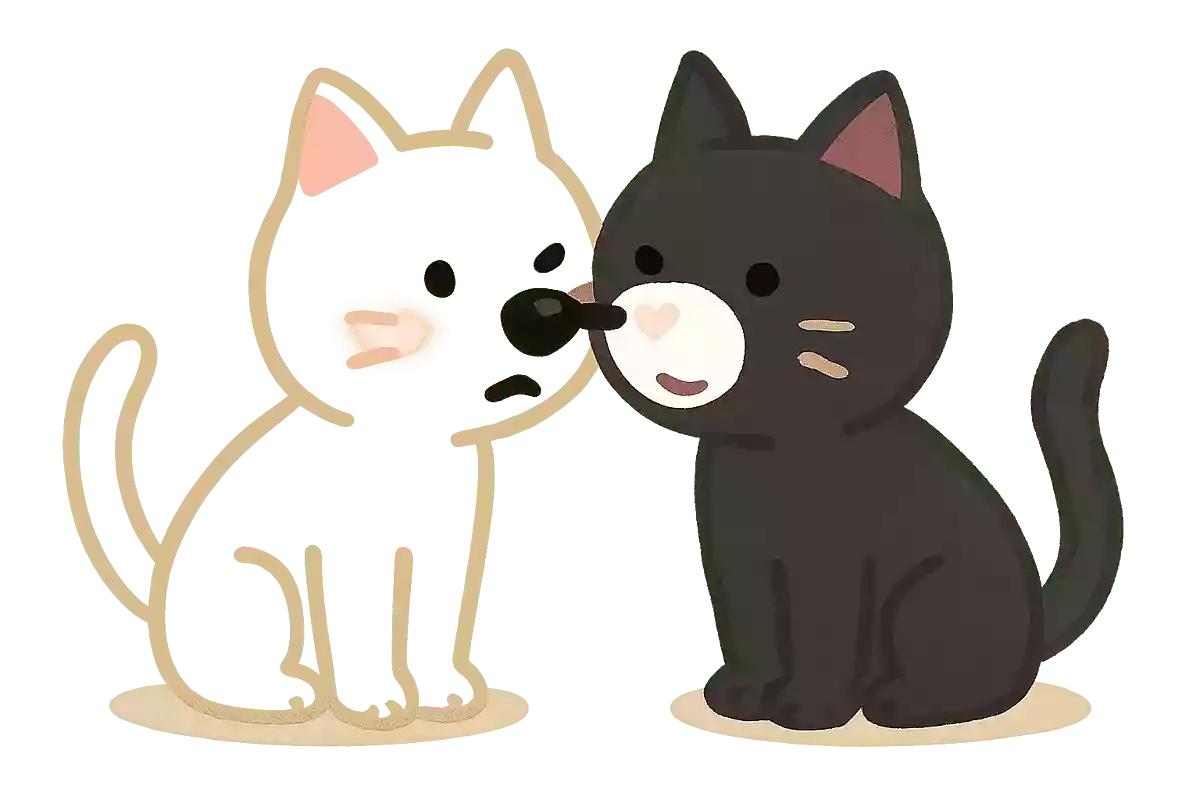
This is a tongue twister themed around the color of a cat’s nose, using the easily confused consonants “b” and “p.” It begins with a focus on the “b” sound, and as the sentence progresses, “p” appears, making the pronunciation increasingly complex.
A key point is that the “b” and “p” sounds do not appear adjacent to each other.
Read it aloud carefully while paying attention to differences in articulation and breath.
It’s also important that various intonations are incorporated, and as you gradually increase your speed, it’s a passage that helps you acquire a range of pronunciations.
Four is four, ten is ten. Fourteen is fourteen, forty is forty. Forty plus four is forty-four.

It’s a tongue twister that explains the numbers 4 and 10 and expresses simple addition in sentence form.
The key point is that it mainly uses sentences combining “four,” “ten,” and “is.” When written in katakana, they all appear as sounds pronounced “shi,” but each has different consonants and tones, so saying them in sequence creates a highly challenging passage.
The segment “十是十” is particularly noteworthy: it’s a sequence where the consonants and vowels are the same and only the tones differ, so mastering its pronunciation helps build a strong foundational skill set.
Little stars in the sky, little Qingqing on the ground; Qingqing looks at the stars, the stars sparkle; Qingqing counts the stars, the stars are too many to count.

It’s a tongue twister that depicts someone looking up at stars shining beautifully in the sky, using sounds that are close but with different consonants.
The key point is the difference between the pronunciations of xing (star) and qing (blue), and by repeating them, you can grasp the distinction.
It’s also important that the tones are the same, so read the passage aloud while paying close attention to mouth and tongue movements, breath control, and the sound differences.
Since the two pronunciations do not appear adjacent to each other, it’s easier to proceed carefully with the wording—another gentle point of this exercise.
Eight hundred standard-bearers dash up the northern slope, while artillerymen run side by side to the north. The artillerymen fear bumping into the standard-bearers, and the standard-bearers fear colliding with the artillerymen’s guns.
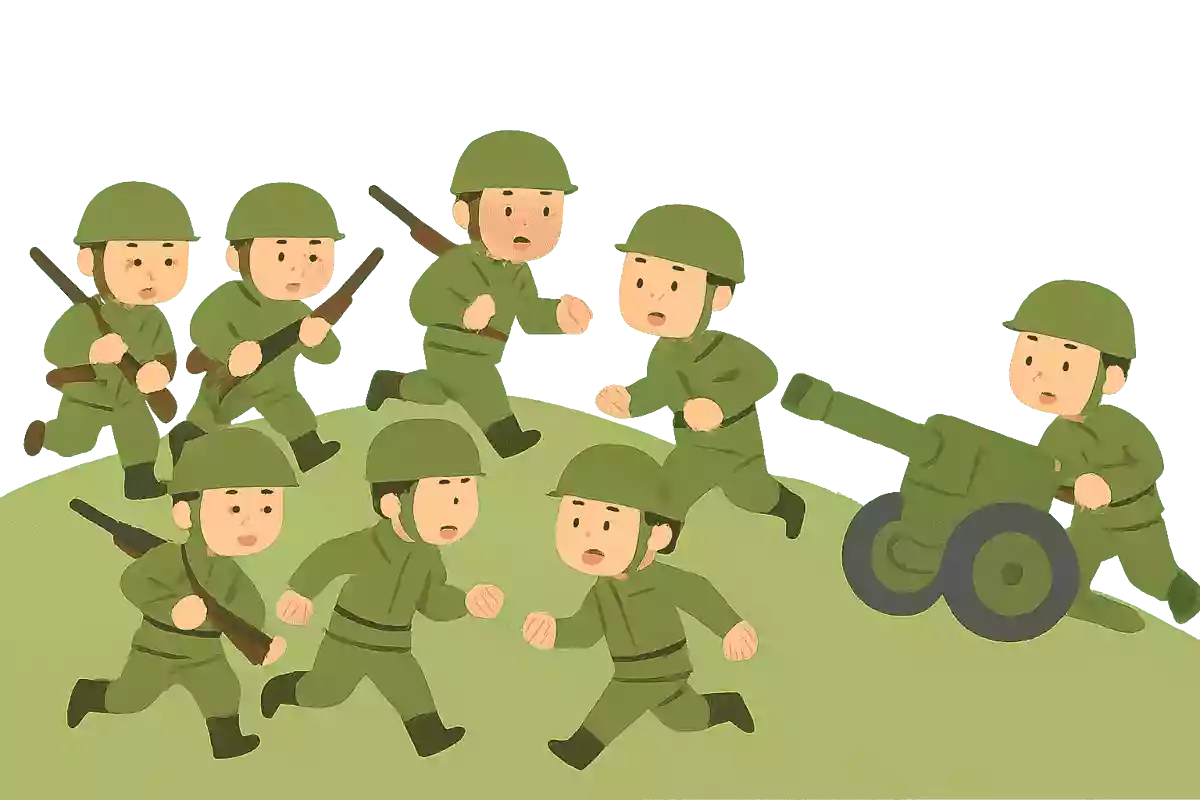
It’s a tongue twister that highlights small differences between similar consonant sounds and the tricky vowel-like sounds “n” and “ng.” The consonants are mainly “b” and “p,” and lining them up helps you learn how to use your breath when pronouncing them.
The distinction between “n” and “ng” is also a key point; by combining lip-moving consonants with these sounds where tongue position matters, the sentence draws clear attention to the movements of the mouth.
The popping lip articulation makes it challenging, but saying it out loud gives it a lively, enjoyable feel.
Cuckoo birds, calling cuckoo, cuckoo cuckoo, busy and bustling, hurry up, cuckoo.
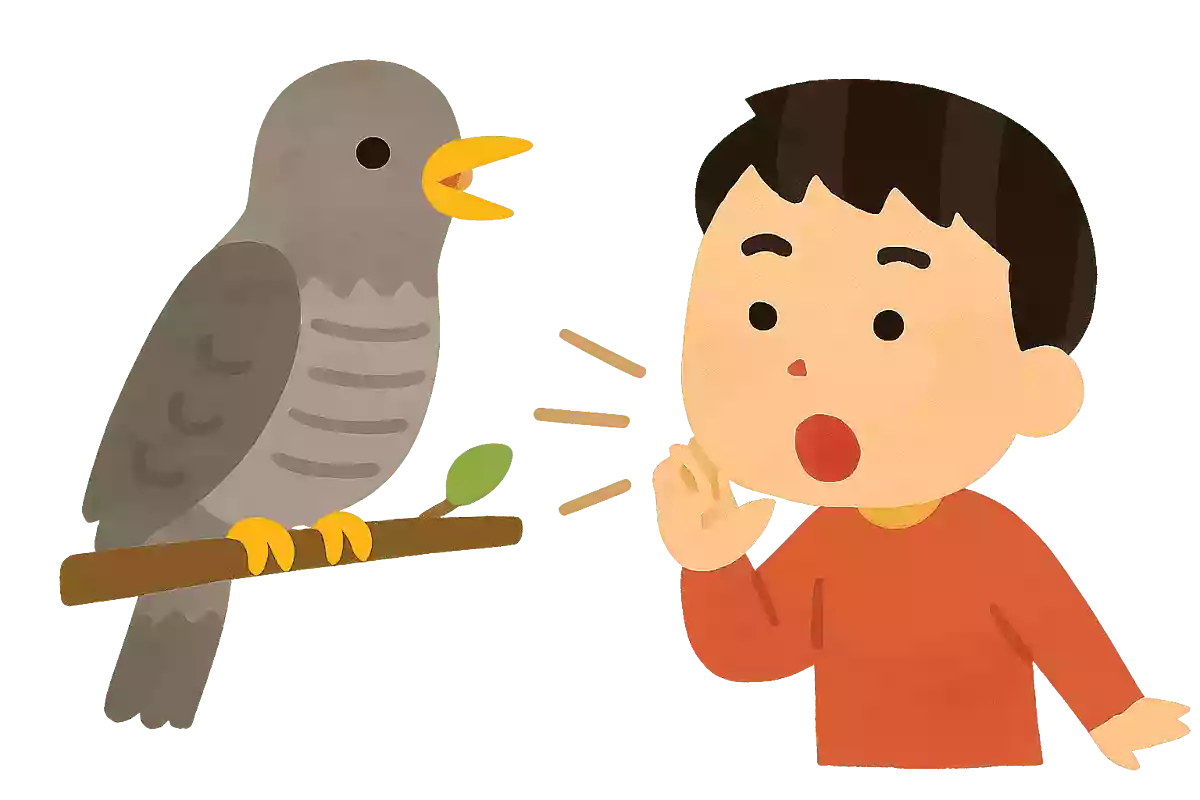
This is a gentle, rhythmic tongue twister themed around the call of the cuckoo, built on repeating the same vowel.
It focuses especially on the vowel sound “u,” helping you learn proper mouth shape and voice production.
Because the text is easy to read and relies mainly on repetition, make sure to nail the pronunciation.
Although it uses similar sounds, the pitch rises and falls, so it’s important to read it aloud while paying attention to those differences.
Carrying a gray chicken onto the plane, the plane takes off, and the gray chicken wants to fly.

This is a tongue twister that illustrates the reaction when a gray chicken is put on an airplane, focusing on the subtle differences between similar-sounding words.
In this sentence, the characters for “gray” (灰, hui) and “fly” (飛, fei) are key points, and mastering the distinction between “hui” and “fei” is important for smooth recitation.
It’s crucial to pay attention to the difference between the two consonants “h” and “f,” including how you use your breath and move your mouth.
Although the sounds are close, the vowels also differ—“ui” versus “ei”—so be sure to check the pronunciations carefully as you read aloud.