

Get the Fun Going! Easy Classroom Games You Can Play at School: Recreational Activities for the Whole Class

Here are some games and class recreation activities you can play in an elementary school classroom! There are many options, including simple games for small groups, activities the whole class can enjoy, and team competitions.
Some require equipment, but there are also plenty you can start right away.
“Shiritori” and a “Rock-Paper-Scissors Tournament” are easy to set up and really get everyone excited! Use these ideas as a reference and have fun with your friends during recess or at school events.
- Recommended for upper elementary grades! Exciting indoor recreation and games
- Fun activities for junior high school students. Recreation games.
- Recreation Ideas That Truly Excite High School Students! A Fun Collection of Activities
- [Elementary School] Quick and Easy! Indoor Recreational Activities Perfect for Lower Grades
- [Play Right Away!] Exciting Recreation Games Recommended for Elementary School Students
- A simple and fun co-op game that enhances teamwork
- Games and activities everyone can enjoy together. A collection of fun play ideas.
- Games you can play with just conversation. Classic and popular activities you can enjoy without any props!
- Indoor games and recreational activities recommended for junior high school students
- Party games that get everyone excited at school
- Indoor recreation popularity ranking
- A collection of simple indoor recreational games
- [For University Students] A Roundup of Fun Games and Recreational Activities
Communication-based Class Rec Games Collection (31–40)
Jump, everyone!

It’s a game where everyone forms a circle, holds hands, and jumps in different directions.
Jumping helps develop concentration and a sense of balance.
By moving while listening to the teacher’s instructions, children can build their listening skills and their ability to think about how to move.
When calling out, speak clearly, loudly, and energetically.
Let’s enjoy jump play together—moving our heads as we jump and trying things like hopping on one foot or jumping with both feet.

Icebreakers that even elementary school students can enjoy

Both children and adults can feel a bit nervous when playing with someone they’re meeting for the first time.
Here are some recommended games for those moments.
For example, there are games like “Rock-Paper-Scissors Catch & Go,” “Mirror Stretch,” “Become a Stick,” and “Stand Up.” There’s also a game called “Guide the Way,” which has three levels so you can gradually increase the difficulty as you play.
By sharing the same goal of cooperating to reach the finish at the end, you might even deepen your bond.
A number-guessing game that everyone can enjoy, from children to adults

The number-guessing game, where communication skills and powers of observation are key, is a game that large groups can enjoy.
The rules are simple: on the cue of “Ready, go!”, players take turns calling out the next number.
Each person also decides, at that same cue, whether to stand or sit.
If the number called does not match the number of people standing, the game ends there.
Because you have to observe others and decide which number to call while watching your opponents, the key is not to succumb to tension or pressure.
Give it a try!
Recommended for elementary school kids! 5 games that make you work up a sweat

“Touch and Dash,” “Feint Tag,” “Marker Tag,” “Math Relay,” and “Rock-Paper-Scissors Race.” All five of these active games involve running and let kids get plenty of movement even indoors.
They also include elements that exercise the mind: for example, in a relay format, players pick up a pinnie and add the number written on it, and once the total reaches 20 or more, they finish; or they use markers to cleverly lure opponents and dash through gaps.
Even children who get bored with simple movements are sure to get hooked.

Rhythm play with words
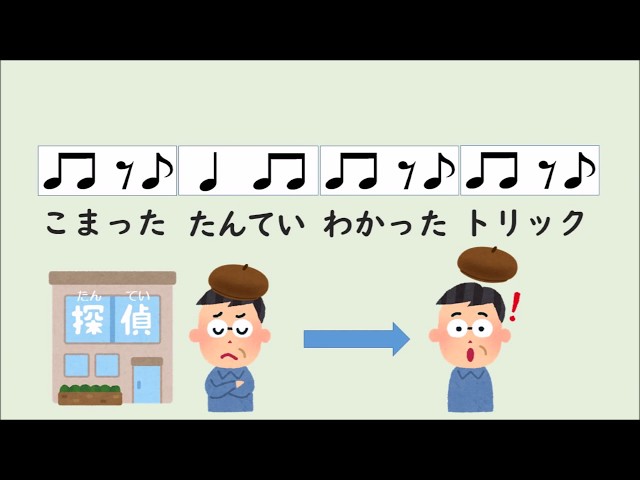
Word Rhythm Play is a game you can enjoy while moving your body, building vocabulary and a sense of rhythm, and training skills like quick thinking and problem-solving.
Listen to the beat and match your words to it.
Any words are fine, but the key is to stay on rhythm.
Start with an easy beat and gradually increase the difficulty.
Once you get used to it, adding handclaps while playing can make it even more exciting.
Communication-themed class recreation game collection (41–50)
The more people there are, the harder it gets! Finger Catch

The “Finger Catch Game,” which trains your reflexes and lets everyone have fun, is played with everyone standing in a circle.
Put the index finger of your right hand into the open palm of the person to your right, just lightly touching it.
In turn, participants chant, “Ka, ka, ka, catch,” and at the moment someone says “catch,” everyone tries to pull out the finger they had inserted.
At the same time, you must quickly grab the finger that’s been inserted into your own open hand before it escapes.
If you fail to pull your finger out or fail to catch your neighbor’s finger, you’re out.
The last person remaining wins.
The exact timing of saying “catch” is key.
It’s a game that tests concentration, timing, and careful observation of others.
Class Recreation Consensus Game: Deserted Island Edition
This is an activity where you choose 8 items out of 17 under the scenario that you’ve been caught in a storm and stranded on an uninhabited island.
There isn’t a single correct answer; the key is to discuss why you choose each item as you make your decisions.
The criteria for what seems necessary—such as tools to make fire, food, or items to call for help—vary from person to person.
In small groups, considering what’s essential for survival will also test your ability to cooperate and persuade.
By engaging in conversation and exploring your teammates’ thinking, understanding deepens, and the adventurous theme fosters excitement and a sense of unity.
