

Get the Fun Going! Easy Classroom Games You Can Play at School: Recreational Activities for the Whole Class


Here are some games and class recreation activities you can play in an elementary school classroom! There are many options, including simple games for small groups, activities the whole class can enjoy, and team competitions.
Some require equipment, but there are also plenty you can start right away.
“Shiritori” and a “Rock-Paper-Scissors Tournament” are easy to set up and really get everyone excited! Use these ideas as a reference and have fun with your friends during recess or at school events.
- Recommended for upper elementary grades! Exciting indoor recreation and games
- Fun activities for junior high school students. Recreation games.
- Recreation Ideas That Truly Excite High School Students! A Fun Collection of Activities
- [Elementary School] Quick and Easy! Indoor Recreational Activities Perfect for Lower Grades
- [Play Right Away!] Exciting Recreation Games Recommended for Elementary School Students
- A simple and fun co-op game that enhances teamwork
- Games and activities everyone can enjoy together. A collection of fun play ideas.
- Games you can play with just conversation. Classic and popular activities you can enjoy without any props!
- Indoor games and recreational activities recommended for junior high school students
- Party games that get everyone excited at school
- Indoor recreation popularity ranking
- A collection of simple indoor recreational games
- [For University Students] A Roundup of Fun Games and Recreational Activities
Communication-Based Class Rec Game Collection (51–60)
Jump into a rock-paper-scissors game!
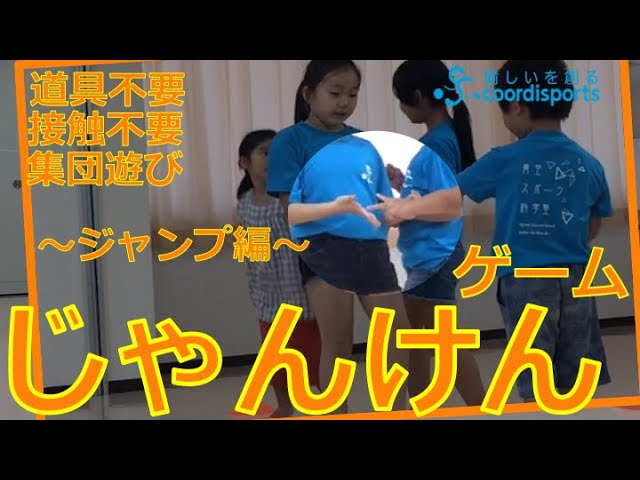
The “Rock-Paper-Scissors Jump Game,” which combines rock-paper-scissors with jumping, is a playful activity that helps children learn how to use their bodies while potentially improving their athletic ability.
Create waiting spots on the left and right, and have participants play rock-paper-scissors with the person next to them.
The winner then jumps while moving from their current waiting spot to the one on the opposite side.
It’s a simple game that repeats this process, so any child old enough to play rock-paper-scissors can join.
For the jumping styles, start with a “rock” jump keeping both feet together, then move to a “scissors” jump.
After that, switch to a gallop and finally to a “paper” jump.

Lip-sync song guessing game
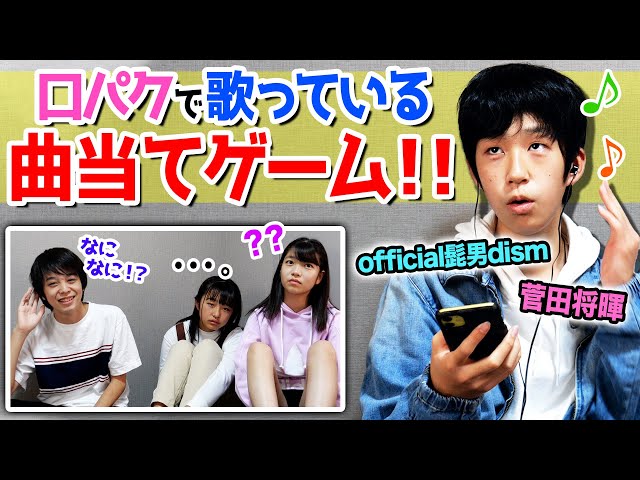
The lip-sync song guessing game is something even people who love listening to music but aren’t confident singing can enjoy, and it works well at workplaces or schools.
The presenter picks a song, then lip-syncs it—paying close attention to intonation and rhythm—without making any sound.
The guessers carefully watch the presenter’s mouth and facial expressions to figure out what song it is.
At first, it’s best to choose familiar songs that everyone knows.
Once everyone gets the hang of it, you can make the game more exciting by shortening the sung sections or speeding up the delivery.

Play the Signal Game Indoors!

The “Traffic Signal Game,” where everyone follows the leader’s instructions, is a play activity that can help develop the ability to listen carefully and the judgment to act immediately.
When the signal is blue, take one marching step; when it’s yellow, shake your head left and right and look around; when it’s red, squat down.
Listen closely to which color the leader calls and act accordingly.
If the leader calls a color other than the three, everyone says “nai-nai” (meaning “no such color”).
There’s no winning or losing in this game, so just have fun moving your body!
Don’t make a sound! The Silent Game

The no-noise game, where even the slightest sound means you’re out, is a fun activity for everyone from small children to adults.
You can use anything as the subject, but simple, everyday items like plastic cups make preparation easy and help you enjoy it casually.
Try focusing your attention and being extremely careful to avoid making sounds while getting creative with tasks like stacking paper cups, wrapping with tissues, lining up juice cans, or folding aluminum foil.
Once you get used to the game, it’s also recommended to add a time limit or use paper bags to increase the difficulty.
Communication-themed Class Recreation Game Collection (61–70)
Holy Night Cake Shop

The owner of the cake shop instructed the manager, “Please don’t make more than 200 Christmas cakes this year.” The reason was that every year they made too many and ended up in the red.
However, on Christmas Eve, the manager told part-time workers A-kun and Ms.
B to make 400 cakes.
Since any unsold cakes would have to be bought by the staff, A-kun was reluctant.
Ms.
B agreed with the manager, and in the end they made 400 cakes, resulting in a large number of leftovers.
The manager apologized to A-kun and gave him the money for the buyback.
Now, among the “owner,” “manager,” “A-kun,” and “Ms.
B,” who acted wrongly? Let’s also consider the order from most to least wrong.
You can play it in the classroom too! Haiihadon

Sit in a circle and stack your left hands in order.
Decide the order, and when someone says “Hai,” the person whose hand is at the very bottom moves it to the very top.
When they say “Iha,” the person whose hand is at the very top keeps it at the top.
When they say “Don,” the person with the bottom hand lightly taps everyone’s hands from above.
Through this game, children develop concentration, quick reactions, and a sense of unity with those around them.
It’s a game that fills the classroom with laughter even when mistakes happen and instantly livens things up.
No tools or preparation are needed, so you can start right away.
It’s recommended as a quick communication activity for class recreation or morning time.
Adults can enjoy it together, too.

Escape from the Desert

This is a consensus game with the scenario: your plane has made an emergency landing in a desert where only cacti grow.
You have 12 items, such as a flashlight, a compass, a plastic rain poncho, and an aerial photo map.
Rank these items in order of importance.
First, think individually, then discuss within your group.
Consider detailed conditions—like temperatures exceeding 40°C and the nearest settlement being over 100 km away—as you work toward the optimal solution.